How to Score Celebrity-Approved Fashion Without the Designer Price Tag
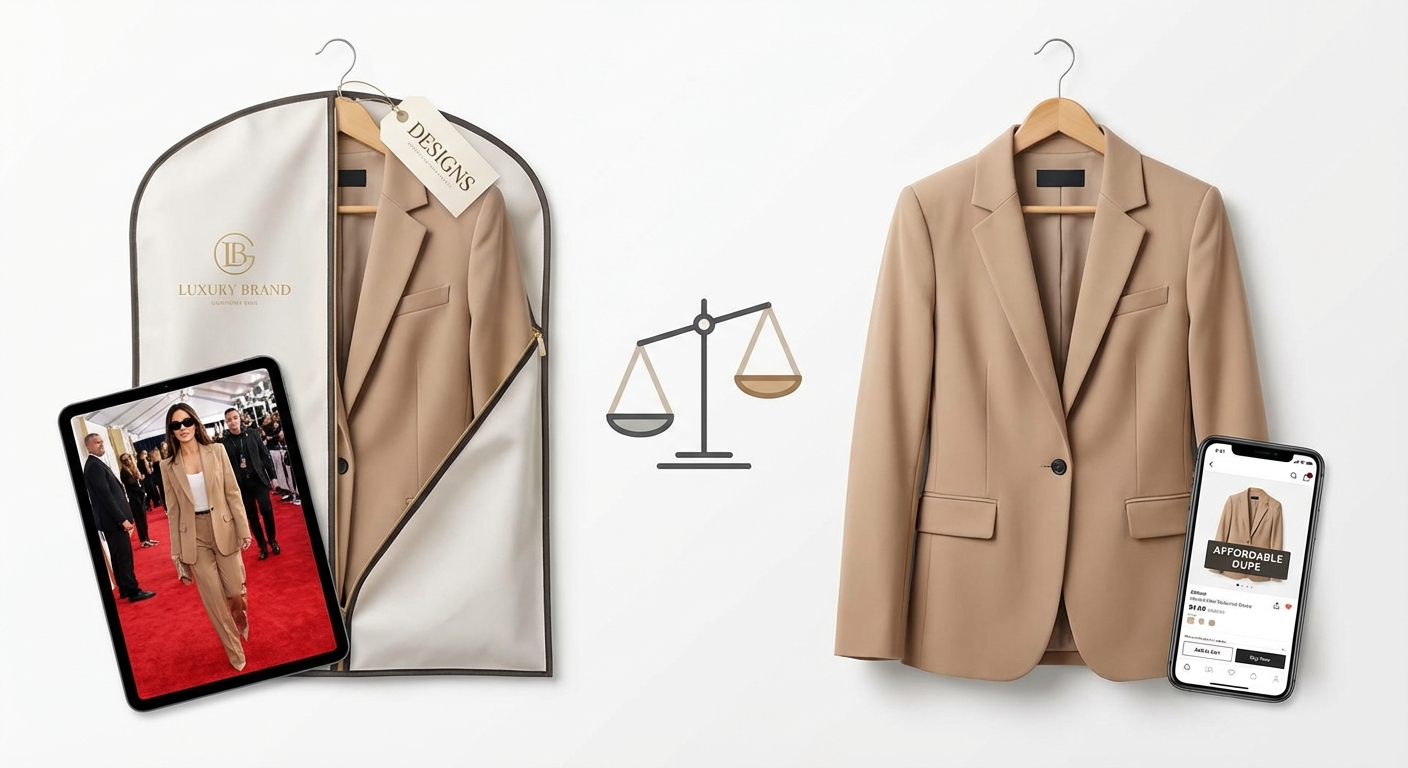
You see Zendaya in that stunning cream blazer on Instagram, or Hailey Bieber rocking oversized jeans and a cropped tee, and you think: I need that exact outfit. Then you check the price tag and reality hits hard. Designer fashion costs thousands, but looking like you stepped off a red carpet doesn’t have to drain your bank account.
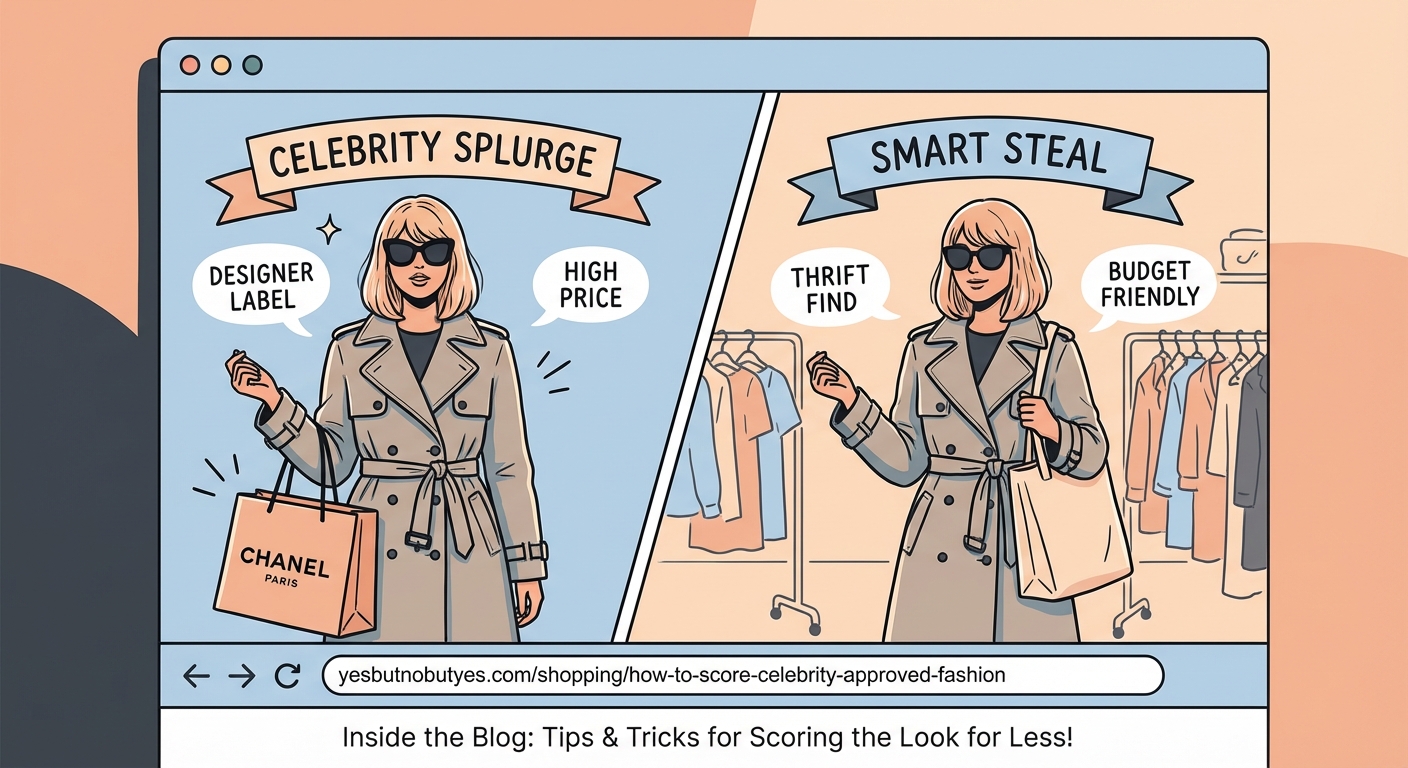
Getting celebrity style on a budget means identifying signature pieces, shopping strategically at affordable retailers, mastering the art of finding designer dupes, and styling basics to look expensive. Focus on fit, fabric quality, and timeless silhouettes rather than chasing every trend. With the right approach, you can recreate red carpet looks for a fraction of the cost while building a versatile wardrobe that actually works for your lifestyle.
Decode the celebrity look before you shop
Celebrities don’t just throw on random clothes. Their stylists carefully curate outfits based on specific elements: silhouette, color palette, fabric texture, and proportions. Before you start shopping, break down what makes the look work.
Take a screenshot of the outfit you love. Zoom in on the details. Is it the oversized fit? The monochrome color scheme? The way the blazer hits at the hip? Understanding these elements helps you find similar pieces instead of searching for exact replicas that cost a fortune.
Most celebrity outfits follow a formula: one statement piece plus simple basics. Selena Gomez pairs a bold red coat with jeans and a white tee. Taylor Swift wears a graphic sweater with black pants and boots. You don’t need every piece to be special. You need one standout item and the rest can come from anywhere.
Master the art of shopping at the right places
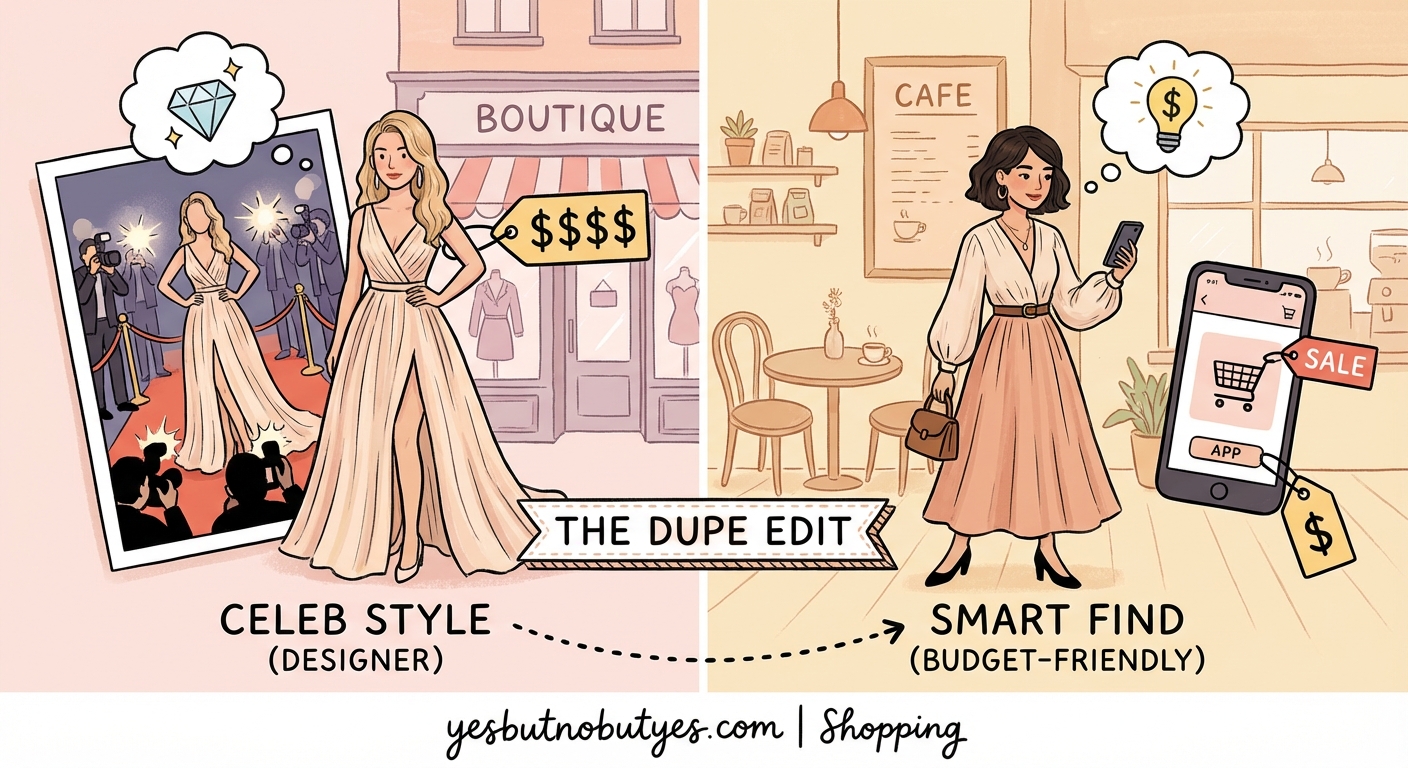
Certain retailers specialize in trend-driven pieces that mirror designer styles. Zara, Mango, and & Other Stories release collections that closely follow runway trends. They use similar cuts and silhouettes but at accessible price points.
Here’s where to find different celebrity style categories:
- Minimalist basics: COS, Uniqlo, Everlane
- Trendy statement pieces: Zara, H&M, ASOS
- Elevated affordable: Mango, & Other Stories, Massimo Dutti
- Vintage-inspired: Free People, Urban Outfitters, thrift stores
- Athletic luxury: Girlfriend Collective, Outdoor Voices, Old Navy activewear
Timing matters too. Shop end-of-season sales at higher-end affordable brands. A $200 coat at Mango drops to $80 in February. That’s still quality fabric and construction but at a price that won’t make you wince.
Online consignment sites like Poshmark, Depop, and ThredUp offer gently used designer pieces. Sometimes you can find the actual designer item for 70% off retail. Other times you find affordable brands in perfect condition.
Follow this step-by-step approach to recreating any celebrity outfit
-
Screenshot and analyze the outfit. Save the image to your phone. Note the key elements: colors, proportions, fabrics, accessories.
-
Identify the statement piece. What’s the hero item? The leather jacket? The printed dress? The chunky boots? This is where you might spend a bit more or invest time finding the perfect dupe.
-
List the supporting pieces. These are your basics. White tee, black pants, simple jewelry. You probably already own some of these.
-
Search by description, not brand. Instead of “Bottega Veneta padded sandals,” search “quilted square-toe sandals.” You’ll find dozens of options at different price points.
-
Check multiple retailers. The same style might be $60 at one store and $30 at another. Spend 20 minutes comparing before you buy.
-
Read reviews for quality. Other shoppers will tell you if the fabric feels cheap, if the fit runs weird, or if the color looks different in person.
Use this comparison table to spot good dupes versus bad knockoffs
| Quality Indicator | Good Dupe | Bad Knockoff |
|---|---|---|
| Logo placement | No logos or subtle branding | Obvious fake designer logos |
| Fabric weight | Substantial, similar drape to original | Thin, flimsy, wrong texture |
| Construction | Clean seams, proper lining, quality stitching | Loose threads, uneven hems, poor finishing |
| Hardware | Solid metal or quality plastic | Cheap-feeling, lightweight, tarnishes easily |
| Price point | Reasonable for materials used | Suspiciously cheap (usually poor quality) |
| Silhouette | Captures the shape and proportions | Vaguely similar but wrong fit |
A good dupe respects the design without pretending to be the original. It offers similar style at an honest price point with decent quality. A bad knockoff tries to trick people and usually falls apart after two wears.
Style affordable pieces to look more expensive
The difference between looking cheap and looking chic often comes down to styling, not price tags. Celebrities have stylists who know these tricks, but you can learn them too.
Fit is everything. A $30 shirt that fits perfectly looks better than a $300 shirt that’s too big or too small. Take your affordable finds to a tailor. Hemming pants costs $15. Taking in a waist costs $20. These small adjustments transform how clothes look on your body.
Stick to classic colors for bigger pieces. Black, navy, cream, camel, and gray never look dated. Save trendy colors for accessories and smaller items. A camel coat works for five years. A neon green coat works for one season.
“The secret to looking polished on any budget is choosing quality basics in neutral colors and adding personality through accessories. A $20 white button-down from Uniqlo looks just as good as a $200 one if it fits well and you style it right.” — Celebrity stylist advice
Iron or steam everything. Wrinkled clothes immediately read as cheap, regardless of the actual price. Spend $30 on a handheld steamer. Use it before you wear anything. This one habit makes the biggest visual difference.
Invest strategically in key pieces that elevate everything
Some items are worth spending more on because they anchor your entire wardrobe. Not designer prices, but mid-range quality that lasts.
A structured blazer in black or navy works with jeans, dresses, or trousers. Look for one with some weight to the fabric. It should hold its shape, not collapse when you take it off. Brands like Banana Republic, J.Crew, or Mango offer solid options in the $100 to $150 range during sales.
Quality jeans make a huge difference. The denim should have some stretch but still feel substantial. Good jeans hold their shape all day instead of bagging out after two hours. Levi’s, Madewell, and Everlane offer reliable fits that last years.
A leather or faux leather jacket becomes your signature piece. This is where you might spend $150 to $200, but you’ll wear it 100 times a year. The right jacket makes a t-shirt and jeans look intentional instead of lazy.
Simple leather boots or loafers ground any outfit. They don’t need to be designer. They need to be real leather (or high-quality vegan leather) with a classic shape. Avoid overly trendy details that date the shoe.
Shop your own closet before buying anything new
Celebrities often re-wear pieces in different combinations. You should too. Most people wear 20% of their wardrobe 80% of the time. The other 80% just takes up space.
Pull everything out of your closet. Try on combinations you’ve never considered. That silk skirt you wore to a wedding? Pair it with a denim jacket and sneakers. The blazer from your old office job? Throw it over a slip dress with combat boots.
Sometimes the missing piece isn’t a new purchase. It’s a different way of styling what you already own. 15 times celebrities tried to be relatable and it backfired spectacularly often involved them acting like they shop at Target, but the truth is they do re-wear pieces, just styled differently each time.
Accessories change everything. The same black dress looks completely different with gold jewelry versus silver, with heels versus sneakers, with a leather jacket versus a cardigan. Before you buy a new outfit, try restyling an old one.
Learn to spot trends worth trying versus passing fads
Not every celebrity trend deserves your money. Some looks have staying power. Others disappear in three months. Knowing the difference saves you from a closet full of unwearable clothes.
Trends worth trying on a budget:
- Wide-leg pants (they’ve been around for years and keep evolving)
- Oversized blazers (classic silhouette that works for most body types)
- Minimalist gold jewelry (timeless and versatile)
- White sneakers (they go with everything and last multiple seasons)
- Slip dresses (you can style them year-round)
Trends to skip or buy cheap:
- Extremely specific prints (like cow print or tie-dye in unusual colors)
- Ultra-trendy colors (like the Pantone color of the year)
- Overly logo-heavy pieces (they date themselves immediately)
- Hyper-specific silhouettes (like extremely cropped tops that only work one way)
Why Gen Z is bringing back Y2K fashion and everyone else is confused shows how trends cycle back, so sometimes waiting a few years means you already own the next big thing.
Use social media smartly to find dupes and deals
Instagram and TikTok have entire communities dedicated to finding affordable versions of celebrity outfits. Search hashtags like #designerdupe, #celebritystyle, or #affordablefashion.
Fashion accounts often post side-by-side comparisons showing a celebrity outfit next to affordable alternatives. They do the research for you, listing exactly where to buy each piece and how much it costs.
Follow accounts that match your style preferences. If you love Zendaya’s looks, find accounts that specifically recreate her outfits. If you’re more into Kendall Jenner’s minimalist style, follow those creators instead.
Browser extensions like Honey or Capital One Shopping automatically search for coupon codes when you check out online. They take two seconds to install and can save you 10% to 20% without any extra effort.
Sign up for email lists at your favorite stores but create a separate email address for shopping. You’ll get early sale notifications and exclusive discounts without cluttering your main inbox.
Build a capsule wardrobe instead of chasing every look
Celebrities wear different outfits constantly because it’s literally their job to be photographed. You don’t need a new outfit every day. You need a solid collection of pieces that work together in multiple combinations.
A capsule wardrobe typically includes:
- 3 to 4 pairs of pants (jeans, trousers, maybe a skirt)
- 5 to 7 tops (mix of t-shirts, blouses, and sweaters)
- 2 to 3 jackets or outerwear pieces
- 2 to 3 pairs of shoes
- A few key accessories
Every piece should work with at least three other items. This creates dozens of outfit combinations from a small number of clothes. You spend less money and less time deciding what to wear.
Choose a color palette and stick to it. If your base colors are black, white, and denim, then add one or two accent colors like camel or olive. Everything coordinates automatically.
Know when to splurge and when to save
Some items lose quality fast when you go too cheap. Others make no difference whether you pay $20 or $200.
Splurge on:
- Jeans and pants (you wear them constantly, fit matters)
- Coats and jackets (they’re visible and need to last)
- Shoes (cheap shoes hurt and fall apart)
- Bags (a quality bag lasts years and elevates every outfit)
Save on:
- Basic tees (a $10 shirt and a $50 shirt often come from the same factory)
- Trendy pieces (if you’ll only wear it one season, don’t overspend)
- Workout clothes (affordable activewear has gotten really good)
- Jewelry (fashion jewelry looks great if you take care of it)
This doesn’t mean always buy expensive jeans and always buy cheap tees. It means prioritize quality where it matters most for your lifestyle. If you wear t-shirts every day, maybe invest there. If you rarely wear jewelry, stick with affordable options.
Fix common mistakes that make outfits look cheap
Even with great pieces, certain styling errors ruin the effect. Avoid these and your affordable outfits will look much more expensive.
Wearing clothes that don’t fit properly is the biggest mistake. Too tight looks uncomfortable. Too loose looks sloppy. Take the time to find your correct size or alter pieces that are close.
Mixing too many trends in one outfit looks costumey. Pick one trendy element per look. If you’re wearing statement sleeves, keep everything else simple. If you’re trying a bold print, pair it with solid basics.
Skipping accessories makes outfits feel unfinished. You don’t need much. A watch, simple earrings, or a structured bag adds polish without effort.
Ignoring shoe condition is another giveaway. Scuffed, dirty, or worn-down shoes drag down the whole look. Keep them clean. Replace them when they’re too beat up. I tried every viral Stanley cup dupe so you don’t have to taught me that sometimes the affordable version works great, but shoes are one category where quality really shows.
Wearing visible logos or branding makes clothes look cheaper, not more expensive. The most elegant looks are logo-free. If you love a piece but hate the visible branding, a seam ripper can remove many embroidered logos.
Create a shopping strategy that actually works
Random shopping leads to a closet full of clothes with nothing to wear. Strategic shopping builds a functional wardrobe that makes getting dressed easy.
Before you shop, audit your closet. What do you actually wear? What sits untouched? What’s missing that would make existing pieces more wearable?
Make a list of specific gaps. Not “I need more tops,” but “I need a black long-sleeve tee to layer under dresses” or “I need ankle boots that work with both jeans and skirts.”
Set a monthly budget for clothes. Even if it’s just $50, having a limit forces you to prioritize and think before buying. You’ll make better choices when you can’t just grab everything you like.
Wait 24 hours before buying anything over $50. Add it to your cart but don’t check out. If you still want it the next day, buy it. Often you’ll realize you don’t actually need it.
Track what you wear. Take photos of your outfits for a month. You’ll see patterns in what you reach for and what you ignore. This information guides future purchases.
Your wardrobe, your rules, your budget
Celebrity style offers inspiration, not instructions. You don’t need to copy anyone exactly. Take the elements you love, adapt them to your lifestyle, and build a wardrobe that makes you feel confident without the financial stress.
The goal isn’t to trick people into thinking you spent thousands on your outfit. The goal is to feel good in clothes that express your style, fit your life, and respect your budget. That’s something no price tag can guarantee, no matter how high it goes.
Start with one celebrity look you love. Break it down. Find affordable alternatives. Style it your way. You’ll be surprised how good you feel in an outfit that cost $100 instead of $1,000, especially when people start asking where you got it.