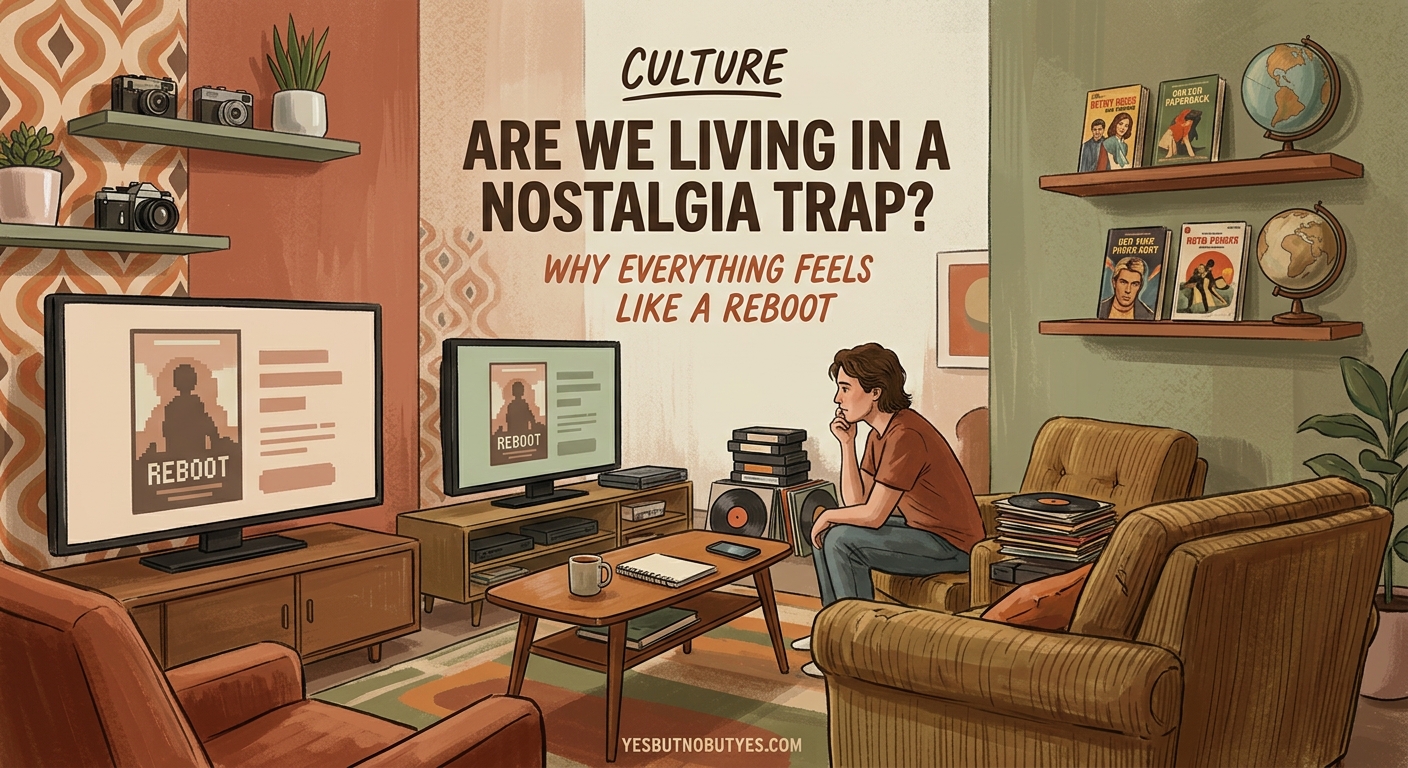
Are We Living in a Nostalgia Trap? Why Everything Feels Like a Reboot
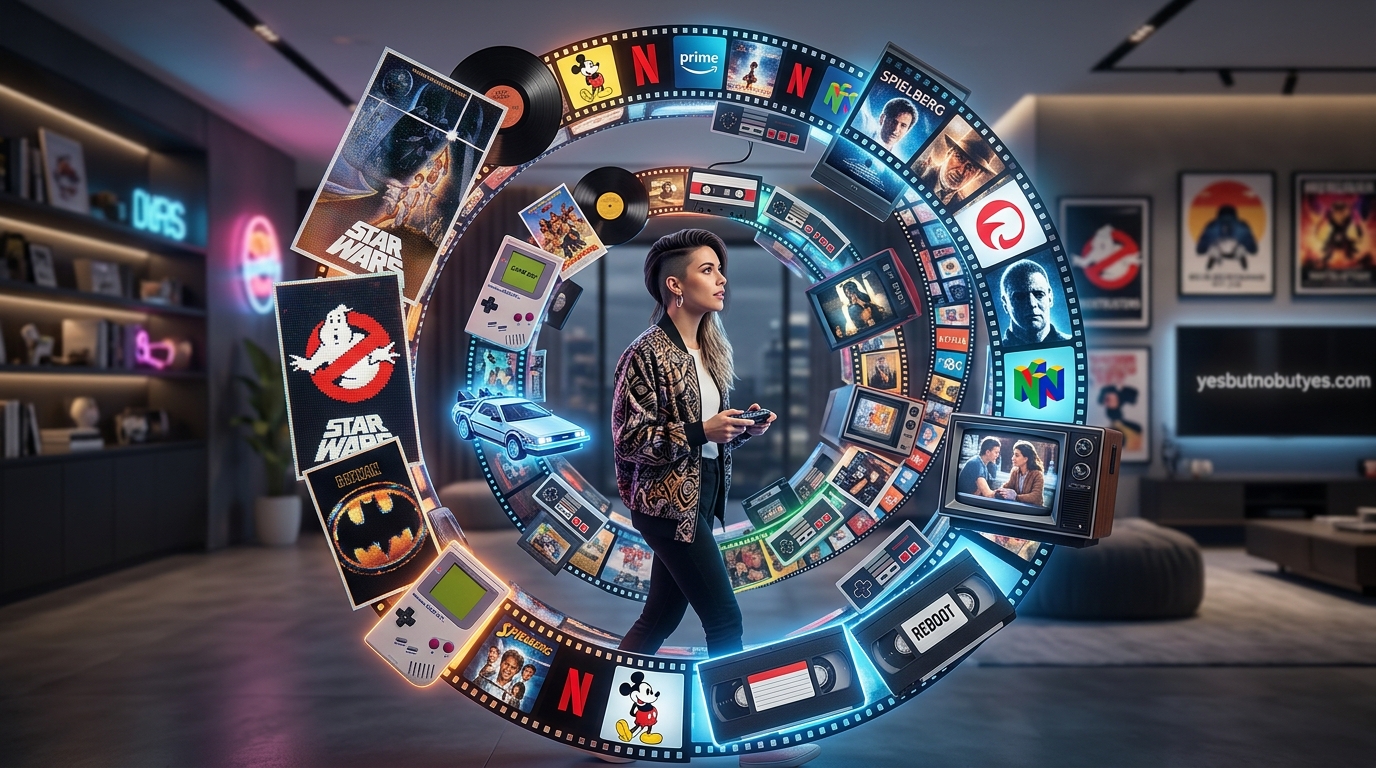
You’ve seen it happen again and again. Another beloved childhood movie gets the reboot treatment. Your favorite sitcom announces a reunion season. A franchise that ended a decade ago suddenly returns with a fresh coat of paint and a younger cast. The pattern is impossible to ignore, and if you’re feeling exhausted by it, you’re not alone. The entertainment industry has become a reboot factory, and there are specific reasons why studios keep reaching into the past instead of betting on something new.
Studios prioritize reboots because they’re financially safer than original content. Established brands come with built-in audiences, lower marketing costs, and predictable revenue streams. Streaming platforms need constant content to retain subscribers, while social media amplifies nostalgia, making old properties feel relevant again. The reboot trend reflects risk-averse business strategies combined with genuine audience demand for familiar stories.
The economics of playing it safe
Hollywood runs on money, and reboots are the closest thing to a guaranteed return on investment.
When a studio greenlights an original film or series, they’re gambling on an unknown quantity. Will audiences connect with new characters? Will the story resonate? Can they build awareness from scratch? These questions carry enormous financial risk, especially when production budgets regularly exceed $100 million.
Reboots eliminate most of that uncertainty. A franchise with proven success already has name recognition. Fans remember the original fondly. Marketing becomes easier because you’re not explaining what something is, you’re reminding people why they loved it the first time.
The numbers back this up. Reboots and sequels consistently outperform original films at the box office. Studios have learned that audiences are more likely to buy tickets for something familiar than take a chance on something completely new. It’s not that original stories can’t succeed, but the failure rate is higher, and studios answer to shareholders who want predictable profits.
Streaming services need endless content
The explosion of streaming platforms has fundamentally changed how entertainment gets made.
Netflix, Disney+, HBO Max, Paramount+, and others are locked in a constant battle for subscribers. Each platform needs a steady stream of new releases to keep people from canceling. Original content takes time to develop, write, cast, and produce. Reboots offer a shortcut.
When a streaming service announces a reboot of a popular show, it generates immediate buzz. Fans share the news on social media. Entertainment outlets write articles. The platform gets free publicity without spending a dime on advertising. That kind of organic attention is invaluable in a crowded market.
Streaming platforms also benefit from the back catalog. When they reboot a series, they can host the original episodes too, giving subscribers a reason to binge the entire franchise. It’s a content strategy that maximizes value from existing intellectual property while attracting both nostalgic older viewers and curious younger ones.
Here’s how different platforms approach reboots:
| Platform | Reboot Strategy | Example |
|---|---|---|
| Netflix | Revival of canceled shows | Gilmore Girls: A Year in the Life |
| Disney+ | Expanding franchise universes | Star Wars and Marvel series |
| HBO Max | Prestige reboots with original creators | Sex and the City sequel |
| Paramount+ | Reviving legacy CBS properties | iCarly, Frasier |
Nostalgia sells better than ever
Social media has turned nostalgia into a powerful marketing tool.
When you see a trailer for a reboot, your first instinct is probably to share it with friends who remember the original. That organic sharing creates momentum that studios couldn’t buy with traditional advertising. A single tweet about a beloved character returning can reach millions of people within hours.
Millennials and Gen Z grew up during a golden age of television and film. Shows and movies from the ’90s and 2000s hold deep emotional significance. Studios recognize this and design reboots to trigger those feelings. The strategy works because nostalgia is a universal human experience. We’re wired to find comfort in the familiar, especially during uncertain times.
The pandemic accelerated this trend. People turned to comfort viewing during lockdowns, rewatching old favorites on streaming platforms. Studios noticed which titles were getting the most views and started developing reboots based on that data. It’s a feedback loop where audience behavior directly influences what gets made next.
The creative talent wants to revisit their work
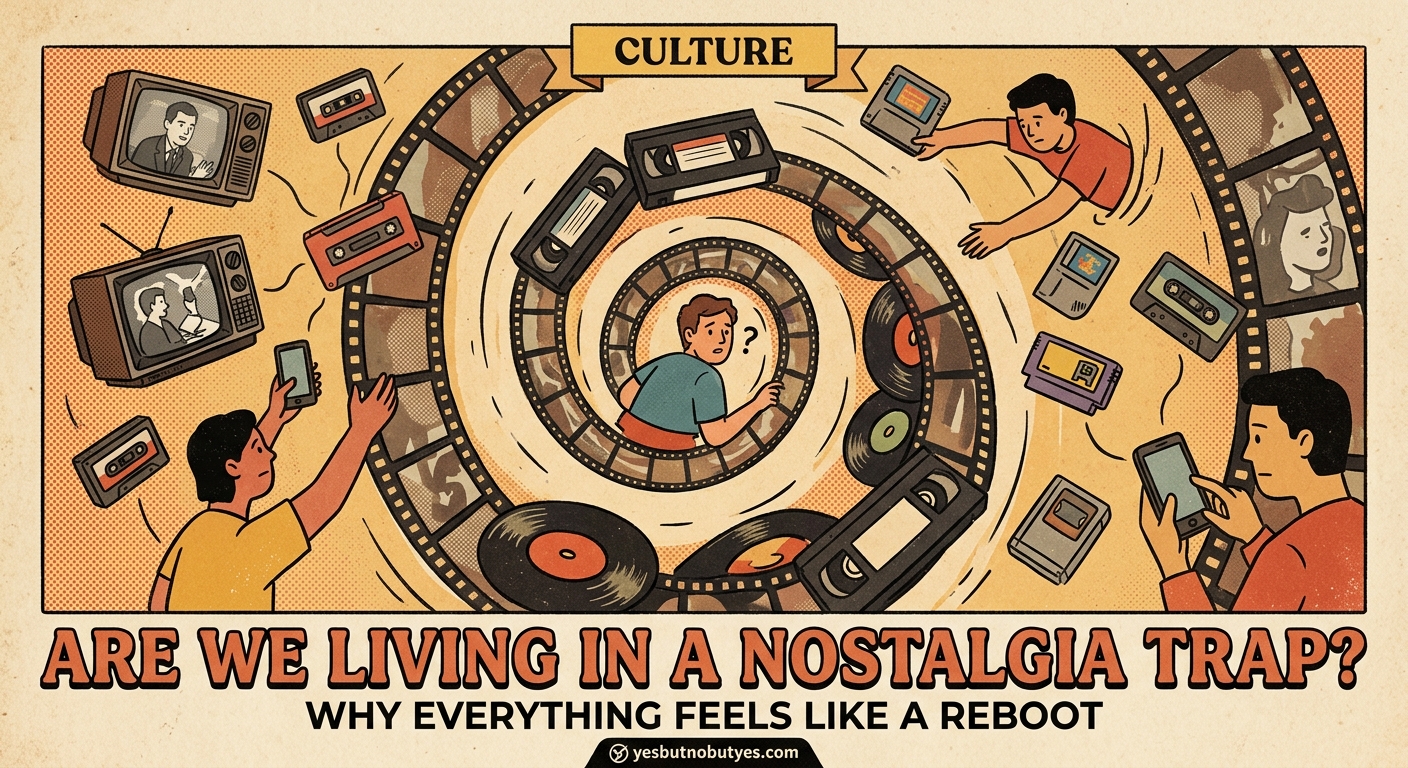
Not every reboot is a cynical cash grab. Many creators genuinely want to return to stories they left unfinished.
Writers and directors who made their mark on a particular franchise often have ideas they never got to execute. Budget constraints, network interference, or timing issues might have prevented them from telling the complete story they envisioned. A reboot offers a second chance with more creative control and better resources.
Actors also benefit from reboots. Returning to a beloved character can revitalize a career or introduce them to a new generation of fans. The financial incentives are substantial, but many performers genuinely miss the roles that defined their early careers.
“Reboots give us the opportunity to correct mistakes and tell stories we couldn’t tell the first time. It’s not just about money, it’s about finishing what we started.” – Common sentiment among showrunners returning to old properties
International markets demand familiar brands
Global audiences play a huge role in the reboot economy.
Hollywood films now earn more internationally than domestically. A franchise with worldwide recognition translates across language barriers more easily than an original story. Audiences in China, Europe, and Latin America are more likely to see a film if they recognize the brand, even if they never saw the original.
This global perspective shapes which properties get rebooted. Studios prioritize franchises that performed well internationally or have the potential to break into new markets. The strategy reduces risk while maximizing potential revenue across multiple territories.
How studios decide what to reboot
The selection process isn’t random. Studios use specific criteria to identify reboot candidates:
- Analyze social media engagement to measure ongoing fan interest in old properties
- Review streaming data to see which classic shows and movies people are currently watching
- Assess merchandise sales from vintage properties to gauge commercial viability
- Survey focus groups about which franchises they’d like to see return
- Calculate the cost of acquiring rights versus developing original content
These steps create a data-driven approach to nostalgia. Studios aren’t guessing what audiences want, they’re responding to measurable signals about what people are already consuming and discussing.
The creative challenges of doing it right
Making a successful reboot is harder than it looks.
The balance between honoring the original and creating something fresh is delicate. Go too far in either direction and you risk alienating fans. Stay too close to the source material and critics will call it uninspired. Studios have to navigate these competing demands while justifying the reboot’s existence.
Some reboots work because they understand what made the original special and update it thoughtfully. Others fail because they misread why people loved the original in the first place. The difference often comes down to whether the creative team respects the source material or views it as a brand to exploit.
Common mistakes include:
- Changing core characters in ways that contradict their established personalities
- Ignoring continuity that fans consider sacred
- Updating the tone without understanding what made the original resonate
- Casting choices that feel like stunt casting rather than genuine fits
- Over-explaining elements that worked better with mystery
Why original content still struggles to compete
The reboot phenomenon creates a self-reinforcing cycle that makes original stories harder to sell.
When studios allocate massive budgets to reboots, they have less money for untested ideas. Marketing departments push familiar properties because they’re easier to promote. Theater chains give preferential treatment to franchises because they’re more likely to sell tickets. The entire ecosystem favors established brands over new voices.
This doesn’t mean original content never succeeds. Breakout hits still happen, but they’re increasingly rare at the blockbuster level. Most successful original stories now emerge from independent studios or streaming platforms willing to take risks. The major studios have largely retreated to franchise management.
The situation frustrates creators who want to tell new stories but can’t get financing. It frustrates audiences who crave fresh ideas but keep seeing the same properties recycled. Yet the economics remain compelling enough that the trend shows no signs of slowing.
What audiences actually want
The relationship between viewers and reboots is more complicated than simple demand.
People complain about the lack of originality while simultaneously watching every reboot that gets released. This contradiction reveals something important about entertainment consumption. We want new stories in theory, but in practice, we’re drawn to the familiar. The comfort of revisiting beloved characters often wins out over the uncertainty of something untested.
Some viewers genuinely enjoy reboots and appreciate seeing how stories continue. Others watch out of curiosity, even if they’re skeptical. Still others actively avoid reboots but represent a minority compared to the audiences that turn up for these projects.
The challenge for the industry is distinguishing between genuine enthusiasm and hate-watching. Both generate views, but only one creates sustainable franchises. Studios are starting to recognize this difference, though not always successfully.
You might find yourself in a similar pattern with other forms of media, like rewatching your favorite movie scenes instead of trying something new.
The generational divide in reboot reception
Younger viewers often have a different relationship with reboots than the original fans.
For Gen Z, many reboots are their first exposure to a franchise. They don’t carry the same emotional attachment or expectations as Millennials who grew up with the originals. This creates an interesting dynamic where a reboot can succeed with younger audiences while disappointing longtime fans, or vice versa.
Studios increasingly target both demographics simultaneously, creating content that works as both a continuation for old fans and an entry point for new ones. This dual approach requires careful writing and marketing, but when it works, it dramatically expands the potential audience.
The generational perspective also explains why some reboots feel tonally different from their predecessors. Modern sensibilities around representation, humor, and storytelling have evolved. A reboot that feels authentic to contemporary audiences might feel wrong to people who remember the original context.
When reboots actually improve on the original
Not every reboot is a downgrade. Some properties benefit from a fresh perspective.
Technology has advanced dramatically since many classic shows and films were made. Visual effects that were impossible in the ’90s are now standard. Production values have increased across the board. Writers’ rooms are more diverse, bringing new perspectives to old stories.
Some franchises were ahead of their time but limited by the era in which they were made. A reboot can fulfill the original vision with modern resources. Other properties had flawed executions that overshadowed good ideas. A second attempt can correct those mistakes while preserving what worked.
The best reboots understand that improvement doesn’t mean erasing the original. It means building on the foundation with respect for what came before while acknowledging that audiences and culture have changed.
The role of fan communities in greenlighting projects
Social media has given fans unprecedented influence over what gets made.
Studios monitor online communities to gauge interest in potential reboots. A passionate fanbase keeping a property alive through fan art, discussions, and petitions signals commercial viability. Several recent reboots happened specifically because of sustained online campaigns.
This dynamic has pros and cons. It gives audiences a voice in the creative process and can resurrect properties that deserved more time. But it also means the loudest voices get disproportionate influence, which doesn’t always represent broader audience preferences.
Fan communities can also doom a reboot before it airs. Negative reactions to casting announcements or creative choices can create a hostile environment that impacts how the project is received. Studios are learning to navigate these dynamics, though not always successfully.
The financial breakdown of reboot economics
Understanding the money helps explain why this trend persists.
A typical original blockbuster needs to earn roughly 2.5 times its production budget to break even after marketing costs and theater splits. A reboot starts with built-in advantages that lower this threshold. Marketing costs drop because the brand already has awareness. International distribution is easier because the franchise has proven appeal.
Merchandise and licensing deals also favor reboots. Toy companies, clothing brands, and other partners are more willing to invest in established properties. These ancillary revenue streams can equal or exceed box office earnings, making reboots profitable even if ticket sales disappoint.
The streaming model adds another layer. Platforms measure success by subscriber retention rather than box office receipts. A reboot that keeps people subscribed for another month has value even if it doesn’t generate massive viewership numbers. This different success metric makes reboots even more attractive to streaming services.
Looking at what might change the trend
The reboot cycle won’t last forever, but what could disrupt it?
Audience fatigue is real. Even the most beloved franchises have limits. Studios that oversaturate the market risk turning enthusiasm into resentment. We’re already seeing this with some properties that have been rebooted multiple times to diminishing returns.
Economic pressures could also shift priorities. If production costs continue rising while streaming subscriber growth plateaus, platforms might need to take more creative risks to differentiate themselves. Original content becomes more valuable when everyone else is playing it safe with reboots.
Generational shifts in media consumption might matter most. Younger viewers have different relationships with intellectual property and brand loyalty. They’re more likely to discover content through social media recommendations than franchise recognition. This could gradually erode the advantages that make reboots so appealing to studios.
Cultural trends move in cycles, just like internet trends that fade away. The nostalgia that currently drives reboots will eventually exhaust itself and be replaced by something else.
Why this matters for the future of entertainment
The reboot trend reflects deeper changes in how entertainment gets made and consumed.
Risk aversion at the studio level limits opportunities for new voices and original stories. When established franchises dominate production schedules, emerging creators struggle to break through. This creates a less diverse entertainment landscape where a handful of properties get endless attention while fresh ideas go unfunded.
The trend also affects how we think about storytelling. When every successful property becomes a franchise to be endlessly exploited, stories lose their sense of finality. Characters can never truly end because there’s always potential for another chapter. This undermines narrative closure and trains audiences to expect continuation rather than resolution.
On the positive side, reboots have introduced classic properties to new generations and created opportunities for more diverse casting and perspectives. Some stories genuinely benefit from revisiting with modern sensibilities. The key is finding balance between honoring the past and creating space for the future.
The reality behind the reboot machine
The entertainment industry’s reliance on reboots comes down to a simple truth: they work.
Studios aren’t making these decisions to frustrate audiences or stifle creativity. They’re responding to economic incentives, audience behavior, and market conditions that make reboots the rational choice. As long as people keep watching and the financial model remains viable, the trend will continue.
That doesn’t mean you have to like it. Being aware of why it happens helps you make informed choices about what you watch and support. If you want more original content, seek out independent films and new shows. Support creators taking risks. Vote with your viewing habits and your wallet.
The reboot era might feel exhausting, but it’s also temporary. Entertainment trends always evolve. Understanding the forces driving this one helps you see where things might go next and how your choices as a viewer shape what gets made. The power isn’t entirely in the hands of studios. Your attention matters, and how you spend it influences what shows up on screens tomorrow.