Why Gen Z Is Obsessed With These ‘Ugly’ Sneakers (And Should You Be Too?)
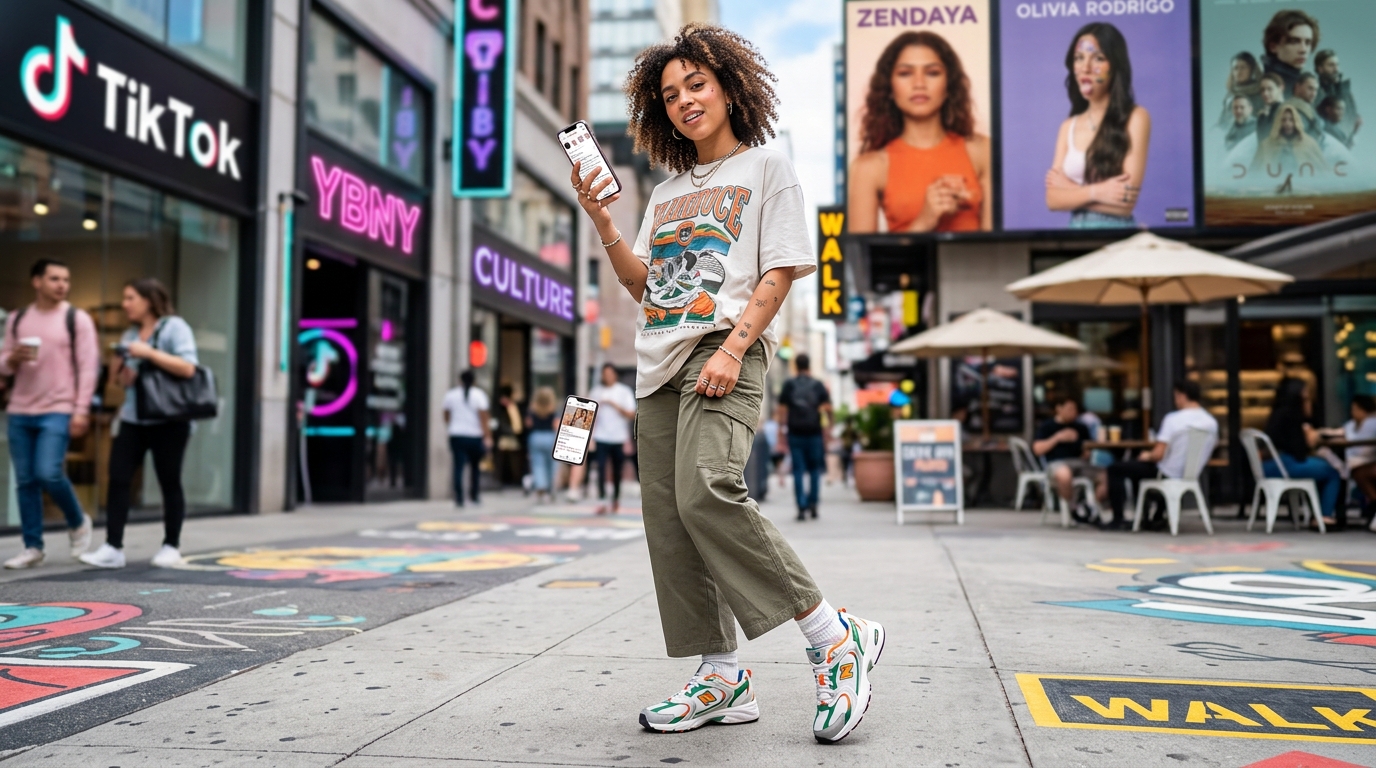
You’ve seen them everywhere. Those chunky, oversized, aggressively unconventional sneakers that look like they were designed by someone who lost a bet. Balenciaga Triple S. Yeezy Foam Runners. New Balance 530s. They’re big, they’re bold, and according to most millennials and literally everyone over 40, they’re hideous. But Gen Z can’t get enough of them. The uglier, the better. And it’s not just a fleeting moment. This trend has staying power, reshaping what we consider fashionable and forcing the entire sneaker industry to rethink its playbook.
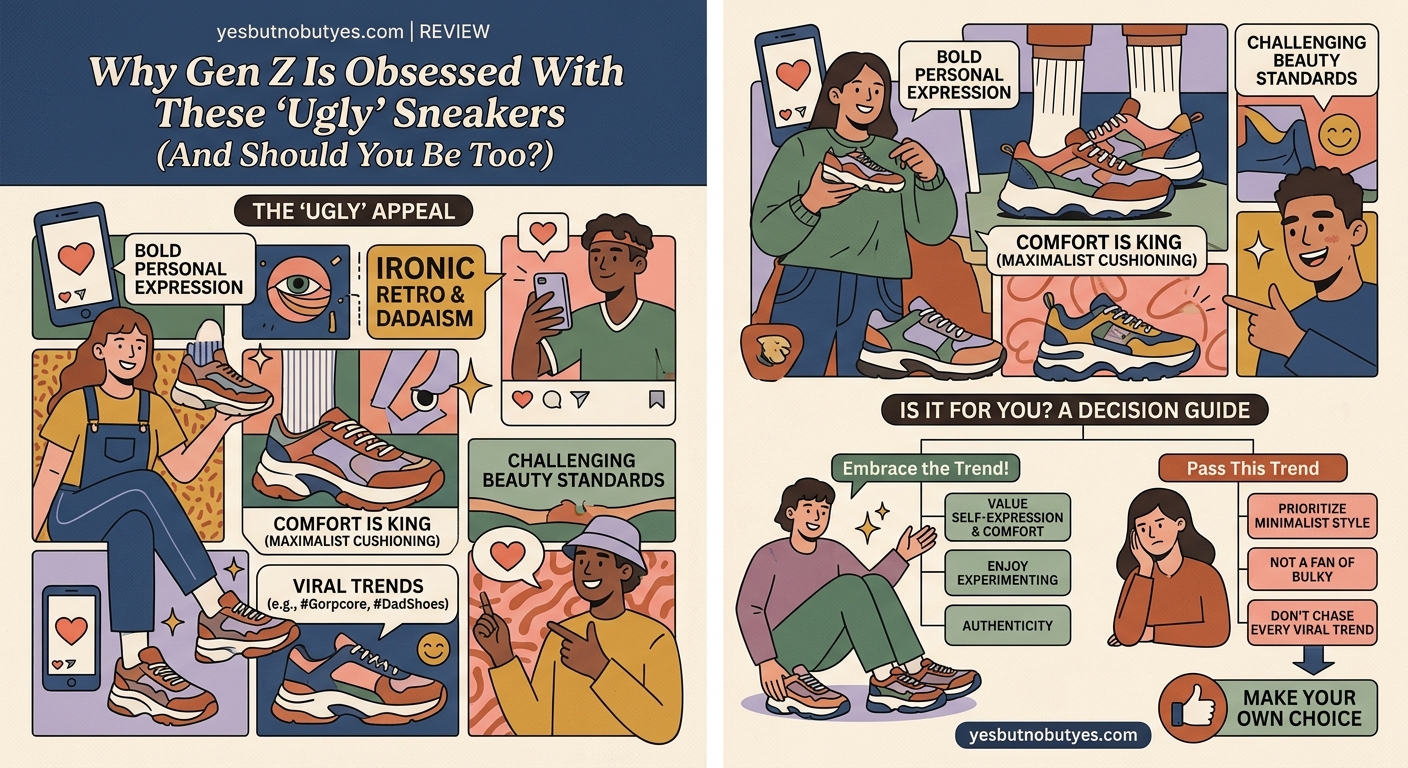
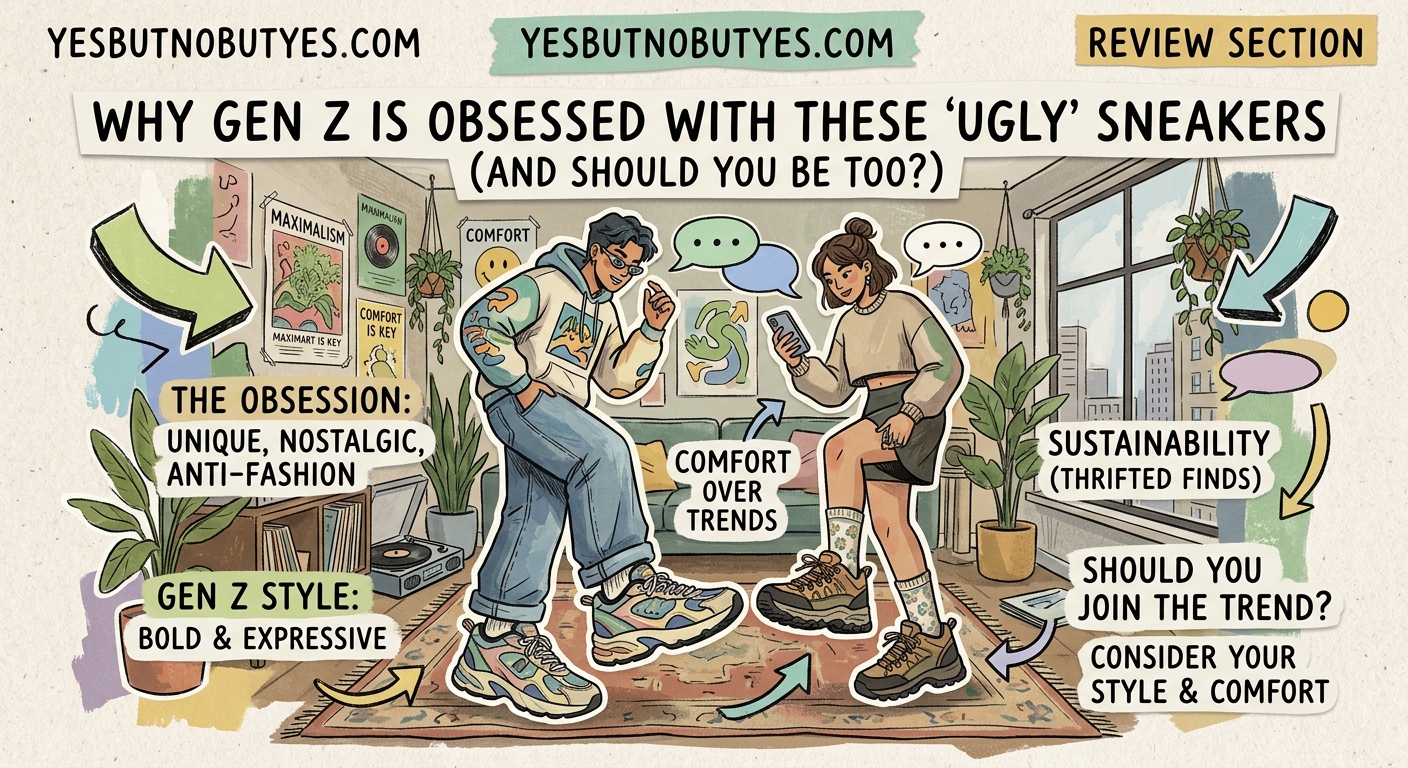
Gen Z gravitates toward ugly sneakers as a form of rebellion against conventional beauty standards and polished aesthetics. These chunky, unconventional shoes signal authenticity, individuality, and a rejection of trying too hard. The trend reflects broader cultural values around comfort, irony, and standing out by not fitting in. Understanding this shift helps explain why fashion increasingly celebrates the weird over the traditionally beautiful.
The Anti-Aesthetic Movement Started Online
Gen Z grew up scrolling through perfectly curated Instagram feeds. Every photo edited. Every outfit coordinated. Every angle calculated for maximum likes. That relentless pursuit of perfection created a backlash. Younger consumers started craving realness, even if that realness looked a little rough around the edges.
Enter the ugly sneaker.
These shoes don’t try to be sleek or sophisticated. They’re intentionally clunky, sometimes even cartoonish. Wearing them sends a message that you’re not playing the traditional fashion game. You’re not trying to impress anyone with classic good taste. You’re doing your own thing, and if other people don’t get it, that’s their problem.
This anti-aesthetic philosophy shows up everywhere in Gen Z culture. The deliberately messy makeup looks. The thrifted, mismatched outfits. The why gen z is bringing back Y2K fashion and everyone else is confused revival that makes no logical sense to anyone who actually lived through the early 2000s. It’s all part of the same impulse to reject what came before.
Comfort Became the New Luxury
Previous generations accepted that looking good meant being uncomfortable. High heels. Tight jeans. Stiff leather dress shoes. Fashion required sacrifice.
Gen Z said no thanks.
They prioritize how clothes feel over how they look. And chunky sneakers, for all their aesthetic crimes, are incredibly comfortable. That thick sole provides cushioning. The roomy toe box doesn’t squeeze your feet. The supportive structure actually makes walking enjoyable.
This shift toward comfort reflects bigger changes in how young people live and work. Remote jobs mean fewer dress codes. Casual workplaces mean sneakers are acceptable everywhere. Why would anyone choose painful shoes when comfortable ones are socially acceptable?
The pandemic accelerated this trend dramatically. After spending months in sweatpants and slippers, going back to restrictive clothing felt absurd. Ugly sneakers offered a compromise. They looked intentional enough to wear outside but felt comfortable enough to wear all day.
Irony and Self-Awareness Drive Purchasing Decisions
Gen Z doesn’t just wear ugly sneakers. They wear them ironically, with full awareness of how ridiculous they look. That self-awareness is the whole point.
Calling something “ugly” or “weird” before anyone else can takes away the insult’s power. It’s the same energy as why do we laugh at things that shouldn’t be funny and finding humor in uncomfortable situations. By embracing the ugly label, Gen Z controls the narrative.
This ironic consumption shows up across their shopping habits:
- Buying vintage items that are “so bad they’re good”
- Collecting kitschy home decor that’s intentionally tacky
- Wearing corporate branded merchandise as a joke
- Choosing products specifically because they’re unpopular
The ugly sneaker fits perfectly into this framework. It’s a knowing wink to everyone who gets it and a middle finger to everyone who doesn’t.
Social Media Amplified the Trend Exponentially
TikTok and Instagram didn’t create the ugly sneaker trend, but they supercharged it. One viral video can turn an obscure shoe model into a must-have item overnight. Fashion cycles that used to take years now happen in weeks.
Influencers discovered that posting unconventional shoes generated more engagement than posting pretty ones. People comment. They debate. They share the post with friends to ask “would you ever wear these?” That engagement signals to the algorithm that the content is valuable, pushing it to more users.
Brands noticed. Suddenly, making intentionally ugly shoes became a legitimate marketing strategy. The controversy itself became free advertising. Every article asking “are these shoes actually cool or just ugly?” drove more traffic and more sales.
The feedback loop works like this:
- Brand releases unconventional sneaker design
- Social media users share it, often mockingly
- Contrarian users defend it and buy it
- The debate generates massive visibility
- More people buy it to participate in the trend
- Brand releases even weirder designs next season
This cycle explains why sneakers keep getting chunkier, weirder, and more divisive. Controversy sells better than consensus.
Authenticity Matters More Than Polish
Gen Z values authenticity above almost everything else. They can spot manufactured coolness from a mile away. They distrust brands that try too hard. They respect people who genuinely don’t care what others think.
Ugly sneakers signal that authenticity. Someone wearing pristine white designer sneakers might be trying to project wealth or status. Someone wearing chunky, weird shoes is probably just wearing what they actually like. There’s no obvious social climbing happening. No clear attempt to impress.
This preference for authentic expression over polished presentation shows up in how Gen Z consumes media too. They prefer raw, unedited content over professionally produced videos. They trust regular people’s opinions more than celebrities tried to be relatable and it backfired spectacularly when trying too hard.
The ugly sneaker becomes a shorthand for “I’m being real with you.” It’s fashion as honesty rather than fashion as performance.
Nostalgia Plays a Surprising Role
Many of today’s popular ugly sneakers reference designs from the 1990s and early 2000s. Dad shoes. Chunky athletic trainers. The kind of footwear that was purely functional, not fashionable.
Gen Z didn’t grow up wearing these shoes, but they remember seeing them in old photos of their parents. There’s something comforting about that connection to the past, especially a past that seems simpler and less curated than the present.
This nostalgic pull connects to are we living in a nostalgia trap and why so much current culture recycles previous decades. But Gen Z adds their own twist. They’re not trying to recreate the past exactly. They’re remixing it, making it weird, adding layers of irony and self-awareness.
The chunky sneaker becomes a bridge between generations. It’s familiar enough to feel comfortable but recontextualized enough to feel fresh.
How to Actually Wear Ugly Sneakers Without Looking Lost
If you’re considering joining this trend, here’s how to make it work:
Start with one statement piece. Don’t overhaul your entire wardrobe. Pick one pair of unconventional sneakers and build outfits around them. The contrast between normal clothes and weird shoes creates visual interest.
Balance proportions carefully. Chunky shoes work best with either slim pants that show off the shoe’s bulk or with equally oversized pants that lean into the exaggerated silhouette. Avoid medium-width pants that make the proportions look accidental.
Own the choice completely. The worst thing you can do is wear ugly sneakers while looking uncomfortable or apologetic. Confidence sells the look. If you’re second-guessing yourself, everyone else will too.
Consider your lifestyle realistically. These shoes work great for casual settings but might not fly in conservative workplaces or formal events. Know where you’ll actually wear them before dropping money on a trend.
Mix high and low. Pair expensive ugly sneakers with affordable basics, or wear budget chunky shoes with one nice piece. The contrast keeps the outfit from looking too try-hard in either direction.
Common Mistakes People Make With This Trend
| Mistake | Why It Fails | Better Approach |
|---|---|---|
| Buying shoes that are uncomfortable | Defeats the entire purpose of the trend | Try them on and walk around; comfort is non-negotiable |
| Matching everything to the shoes | Makes the outfit look costume-like | Let the shoes be the focal point; keep everything else simple |
| Following every micro-trend | Looks desperate and inauthentic | Pick styles that actually match your personality |
| Ignoring your body proportions | Creates unflattering silhouettes | Consider your height and build when choosing shoe bulk |
| Buying knockoffs of expensive styles | Usually look cheap and fall apart | Better to buy authentic budget brands than fake luxury |
The Economics Behind the Ugly Sneaker Boom
Sneaker brands make serious money from this trend. Chunky shoes use more materials, which justifies higher prices. Limited releases create artificial scarcity that drives up demand. Collaborations with designers or celebrities generate hype that translates directly to sales.
Gen Z responds to these marketing tactics differently than previous generations. They’re more skeptical of traditional advertising but more susceptible to peer influence and social proof. If enough people in their feeds wear something, it becomes desirable regardless of objective beauty.
Resale culture also plays a role. Limited edition ugly sneakers can appreciate in value, turning shoes into investment pieces. Young consumers who can’t afford luxury fashion can sometimes flip sneakers for profit, making the initial purchase feel more justified.
This economic dimension adds another layer to why Gen Z likes ugly sneakers. They’re not just fashion statements. They’re potential assets, conversation starters, and markers of cultural literacy all in one package.
What This Trend Reveals About Changing Beauty Standards
The ugly sneaker phenomenon isn’t really about shoes. It’s about a fundamental shift in how younger generations define what looks good.
Traditional beauty standards emphasized symmetry, proportion, and harmony. Everything should match. Everything should flow together seamlessly. Perfection was the goal.
Gen Z beauty standards embrace asymmetry, contrast, and intentional discord. Mix patterns that clash. Pair formal with casual. Combine expensive with cheap. The goal isn’t perfection. It’s interest. Personality. Memorability.
“Fashion used to be about fitting in with the right crowd. Now it’s about standing out from every crowd. The ugly sneaker is the perfect symbol of that shift. It says ‘I’m not trying to be like you’ louder than any traditionally beautiful shoe ever could.” – Fashion analyst commenting on Gen Z consumer behavior
This shift affects industries beyond fashion. Beauty standards in general are becoming more diverse, more individualistic, and more resistant to top-down dictates about what counts as attractive.
Should You Actually Buy Into This Trend?
Here’s the honest answer: it depends on what you want from your clothes.
If you dress primarily to feel comfortable and express your actual personality, ugly sneakers might be perfect for you. They’re practical, they make a statement, and they signal that you’re not overly concerned with conventional approval.
If you dress primarily for professional advancement or to fit into specific social circles, proceed carefully. Not every environment has caught up with this trend. Some places still judge unconventional fashion choices harshly.
If you dress primarily because you enjoy fashion as a creative outlet, ugly sneakers offer interesting possibilities. They’re challenging pieces that force you to rethink proportions and combinations. They push you outside your comfort zone in productive ways.
The key is being honest about your motivations. Don’t buy chunky sneakers just because internet main characters of the week made them viral. Buy them because they actually fit your life and your style goals.
What Comes After the Ugly Sneaker Era
Fashion trends always evolve. The question isn’t whether ugly sneakers will eventually fade but what comes next.
Some industry watchers predict a swing back toward minimalism. After years of maximalist, attention-grabbing designs, consumers might crave simplicity again. Clean lines. Neutral colors. Understated elegance.
Others think we’ll see even weirder designs. If chunky sneakers normalized unconventional footwear, what’s the next boundary to push? Asymmetrical shoes? Transparent materials? Deliberately uncomfortable designs worn ironically?
The most likely scenario is fragmentation. Fashion is becoming less monolithic. Instead of one dominant trend everyone follows, we’re moving toward multiple simultaneous aesthetics that different groups embrace. Ugly sneakers will remain popular with some consumers while others move on to whatever feels fresh and different.
What won’t change is the underlying values driving Gen Z’s fashion choices. The emphasis on comfort, authenticity, and individual expression isn’t going anywhere. Whatever comes next will need to speak to those same priorities, just in new visual language.
The Bigger Picture Beyond Footwear
Understanding why Gen Z likes ugly sneakers helps decode their entire approach to consumption, identity, and culture. They’re not just buying shoes. They’re making statements about who they are and what they value.
They reject the idea that you have to choose between comfort and style. They resist pressure to conform to established beauty standards. They use irony and self-awareness as shields against judgment. They prioritize authenticity over polish, even when that authenticity looks messy.
These same principles show up in how they approach everything from how to score celebrity-approved fashion without the designer price tag to how they engage with social media to how they think about career paths and life goals.
The ugly sneaker is just the most visible symbol of a much larger cultural shift. It’s fashion as philosophy. Footwear as worldview. And whether you personally love or hate the aesthetic, understanding the motivations behind it gives you insight into where culture is headed.
Making Peace With the Chunky Shoe Revolution
You don’t have to love ugly sneakers. You don’t even have to understand them. But recognizing why they resonate with an entire generation helps you see the bigger patterns shaping contemporary culture.
Fashion has always been about more than just covering your body. It’s communication. It’s identity. It’s rebellion or conformity or something in between. Gen Z’s embrace of unconventional footwear is their way of saying something about who they are and what matters to them.
If you decide to try the trend, start small. Pick one pair that genuinely appeals to you, not just what’s most hyped online. Wear them with confidence. See how they make you feel. You might discover that ugly sneakers aren’t actually ugly at all. They’re just different. And different, for this generation, is exactly the point.