Every Major Streaming Service Ranked by Actual Value in 2026
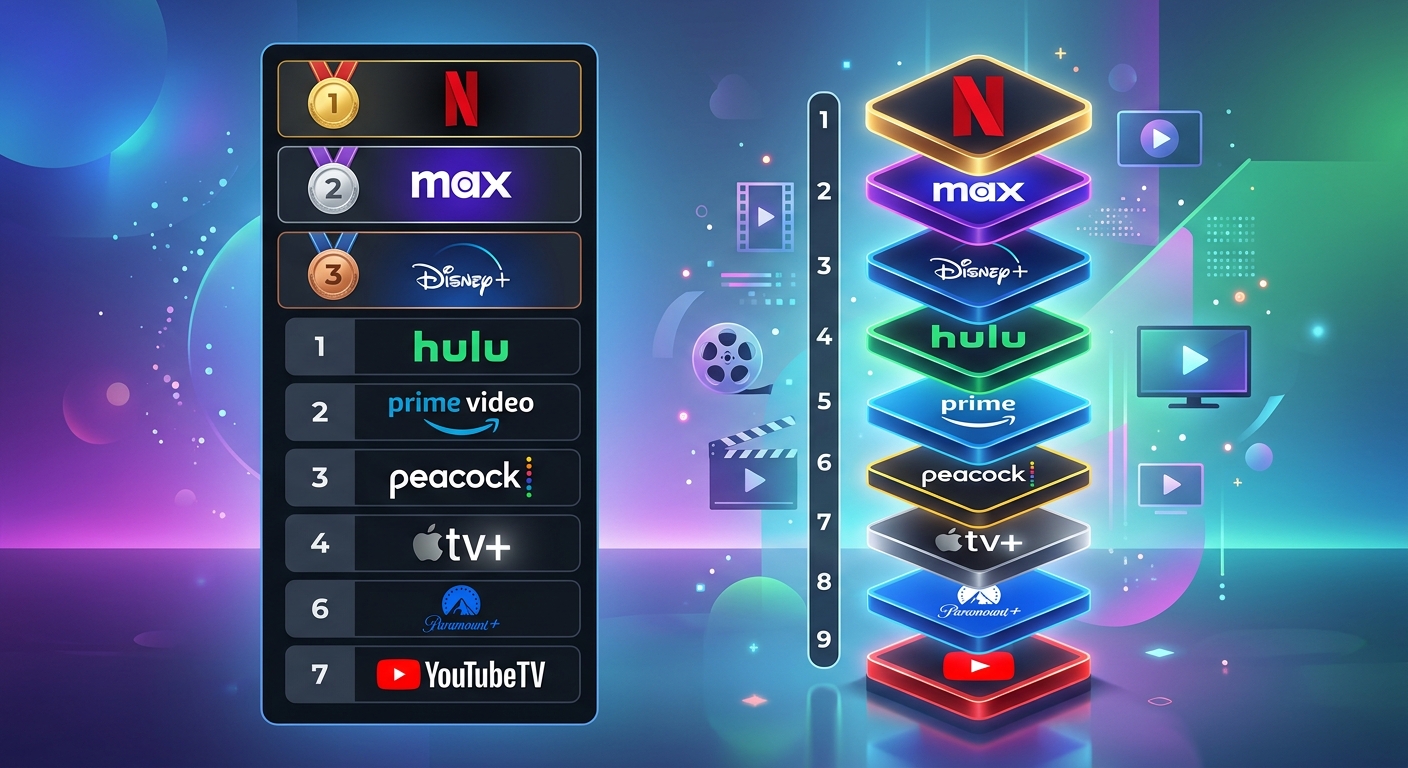
Streaming bills add up fast. One service for movies, another for prestige TV, a third for sports, and suddenly you’re spending more than cable ever cost. The landscape shifted dramatically in 2024, with new pricing tiers, crackdowns on password sharing, and content libraries that keep shuffling shows between platforms like a shell game.
The best streaming services 2024 offers depend on your viewing habits and budget. Netflix dominates original content, Max excels at prestige TV and movies, Disney+ bundles save families money, while niche platforms like Criterion Channel serve specific tastes. Most viewers need just two or three services, rotating subscriptions seasonally to maximize value without breaking the bank.
What Actually Matters When Picking a Streaming Service
Price tags tell only part of the story. A cheap service loaded with content you’ll never watch wastes money just as much as an expensive one.
Content library depth matters more than size. A platform with 10,000 titles means nothing if 9,500 are forgettable reality shows from 2012. Look for services that consistently add shows and movies you actually want to watch.
Interface quality affects daily use. Clunky navigation turns a relaxing evening into a frustrating hunt through menus. The best platforms remember where you left off, suggest relevant content, and let you find things without wanting to throw your remote.
Streaming quality and device support determine whether you can actually use the service. Some platforms still cap resolution on certain devices or limit how many screens can watch simultaneously.
Breaking Down the Best Streaming Services 2024 by Value
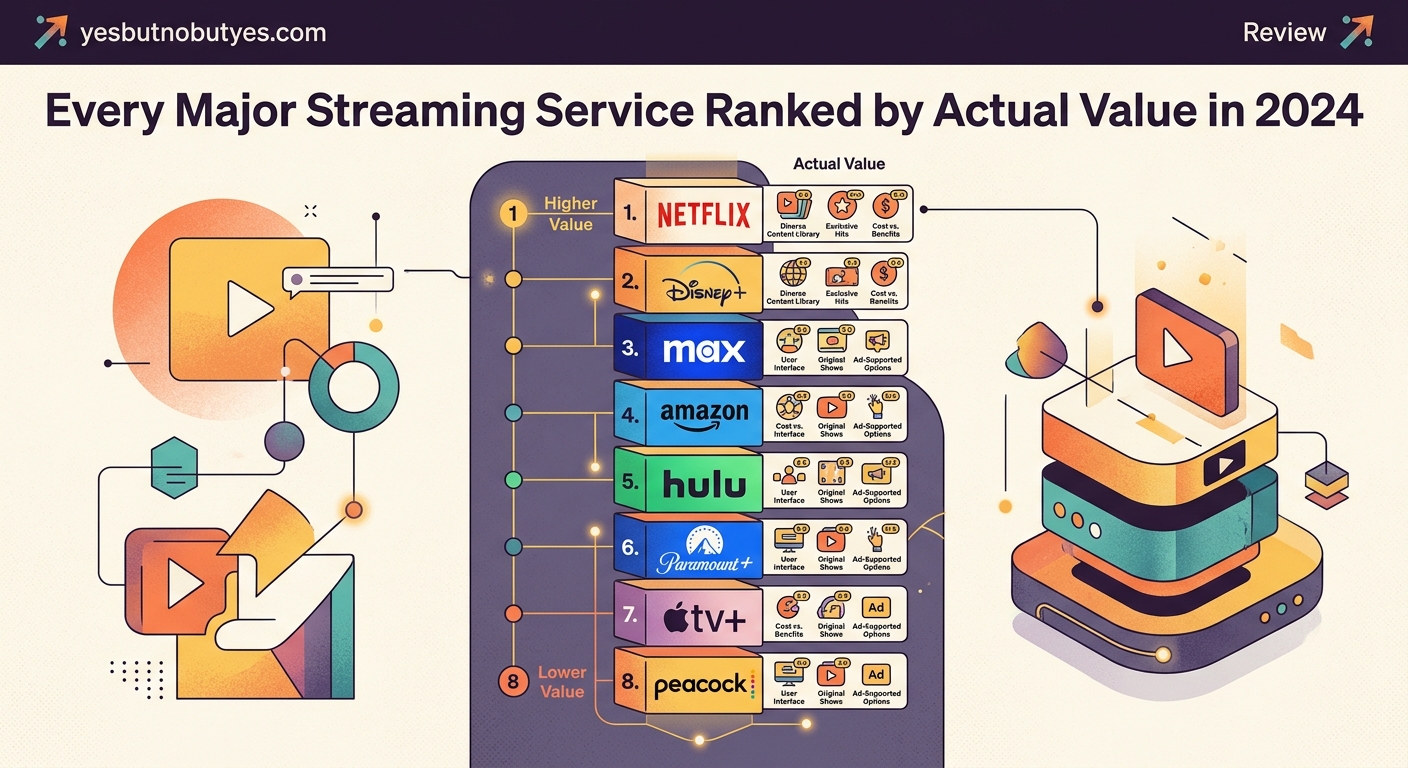
Netflix Still Leads Despite Price Hikes
Netflix raised prices again in 2024, but the library justifies the cost for most households. Original series like Stranger Things, Wednesday, and The Crown keep subscribers engaged between blockbuster movie releases.
The ad-supported tier at $6.99 makes Netflix accessible for budget watchers. You’ll sit through commercials, but the content quality matches the premium tiers. The standard plan at $15.49 offers HD streaming on two devices, while premium jumps to $22.99 for 4K and four simultaneous streams.
Netflix excels at international content. Korean dramas, Spanish thrillers, and British comedies populate the catalog alongside American productions. The algorithm actually works here, surfacing hidden gems based on your viewing patterns.
Password sharing crackdowns mean you can’t split accounts with friends anymore. Netflix now charges $7.99 to add someone outside your household, effectively forcing everyone onto individual plans.
Max Combines HBO Prestige with Discovery Reality
Max merged HBO Max and Discovery+ into one platform, creating an odd but valuable mix. You get Game of Thrones spinoffs and Succession alongside Fixer Upper and 90 Day Fiancé.
The ad-free plan costs $15.99 monthly, matching Netflix’s standard tier. With ads, you pay $9.99. The Ultimate plan at $19.99 adds 4K streaming and offline downloads, plus four simultaneous streams instead of two.
HBO’s reputation for quality programming holds strong. The Last of Us, White Lotus, and True Detective deliver prestige television worth the subscription alone. Warner Bros. movies hit Max 45 days after theatrical release, faster than most competitors.
Discovery content fills gaps between HBO releases. Food Network shows, HGTV marathons, and TLC guilty pleasures keep the service valuable even during HBO’s slower months.
Disney+ Bundles Offer Family-Friendly Savings
Disney+ alone costs $7.99 with ads or $13.99 without, but the real value comes from bundles. Disney+ and Hulu together run $9.99 monthly with ads. Add ESPN+ for sports, and you pay $14.99 for all three with ads or $24.99 without.
The Marvel Cinematic Universe catalog justifies the subscription for superhero fans. Every MCU movie streams here, along with new series like Loki and WandaVision that connect to theatrical releases. Star Wars content follows the same model, mixing movies with shows like The Mandalorian and Ahsoka.
Pixar, Disney Animation, and National Geographic round out the family-friendly offerings. Parents get educational content and classic films while kids stay entertained for hours.
Content gaps appear for adult viewers without kids. Disney+ leans heavily on franchises, leaving holes in standalone dramas and comedies. That’s where the Hulu bundle becomes essential, adding thousands of current TV episodes and adult-oriented originals.
Hulu Delivers Current TV and Originals
Hulu streams new episodes from ABC, NBC, and Fox the day after they air. This next-day access to network TV saves money over cable while keeping you current on broadcast favorites.
The ad-supported plan costs $7.99 monthly. Commercial-free jumps to $17.99, a steep increase that only makes sense for heavy viewers. Most people tolerate ads to save $10 monthly.
Original programming improved dramatically in recent years. The Bear, Only Murders in the Building, and The Handmaid’s Tale compete with prestige cable shows. Hulu also houses FX content, including shows like canceled TV shows that deserved way more seasons before they got the ax.
Live TV options exist but cost $76.99 monthly with ads, pricing out budget-conscious viewers. Stick with the basic plan unless you absolutely need live sports and news.
Amazon Prime Video Comes Free with Prime
Prime Video technically costs nothing if you already pay $139 yearly for Amazon Prime shipping benefits. That breaks down to $11.58 monthly, but you’re really paying for fast shipping with video as a bonus.
The content library feels inconsistent. Excellent originals like The Boys, Reacher, and The Marvelous Mrs. Maisel sit alongside forgettable filler. The Thursday Night Football exclusive draws sports fans who might otherwise skip the service.
Movie rentals and purchases clutter the interface. Amazon mixes free Prime content with paid options, creating confusion when browsing. You’ll click on movies thinking they’re included, only to find a $5.99 rental fee.
The ad-supported model launched in 2024, inserting commercials into previously ad-free content. You can pay $2.99 monthly to remove ads, but this feels like charging extra for something subscribers already had.
Apple TV+ Focuses on Quality Over Quantity
Apple TV+ costs just $9.99 monthly for a curated library of original content. No licensed shows or movies pad the catalog. Everything here was made specifically for Apple.
Ted Lasso, Severance, and The Morning Show demonstrate Apple’s commitment to quality productions. The platform targets prestige audiences rather than casual viewers looking for background noise.
The small library means you can watch everything worthwhile in a month or two. Subscribe when new seasons of your favorite shows drop, binge them, then cancel until the next release cycle. This rotation strategy maximizes value.
Apple includes the service free for three months with new device purchases. Students get discounts through Apple Music bundles. These promotions make the already affordable service even cheaper.
Paramount+ Offers CBS and Paramount Movies
Paramount+ combines CBS shows, Paramount movies, and original series for $5.99 with ads or $11.99 without. The Showtime bundle adds premium cable content for $11.99 with ads or $14.99 without.
Star Trek fans get every series ever made plus new shows like Strange New Worlds. NFL fans stream local CBS games on Sundays. Reality TV enthusiasts binge Survivor, Big Brother, and The Challenge.
Paramount movies hit the service 45 days after theaters, including Top Gun: Maverick and Scream sequels. The catalog also includes classics from the Paramount vault, though the selection feels random.
The interface lags behind competitors. Navigation feels clunky, search works poorly, and the app crashes more often than it should. The content justifies the low price, but the user experience frustrates.
Peacock Streams NBC and Sports
Peacock costs $5.99 monthly with ads or $11.99 without. The platform streams NBC shows, Universal movies, and exclusive sports including Premier League soccer and WWE wrestling.
The Office alone drives subscriptions for many viewers. Parks and Recreation, 30 Rock, and other NBC sitcoms fill the comedy section. Current NBC shows appear next-day, similar to Hulu’s network offerings.
Original programming remains hit or miss. Poker Face succeeded, but many originals disappear without making cultural impact. Peacock feels like a supplementary service rather than a primary subscription.
Sports content adds value for specific audiences. Sunday Night Football streams here, along with Olympics coverage and golf tournaments. Casual sports fans can skip it, but diehards find enough to justify the cost.
How to Choose the Right Services for Your Budget
Picking the best streaming services 2024 has available starts with honest assessment of your viewing habits. Track what you actually watch for a month before committing to subscriptions.
- List your five most-watched shows and the platforms that carry them.
- Calculate how many hours monthly you spend watching each service.
- Divide the monthly cost by hours watched to find your per-hour entertainment cost.
This math reveals which subscriptions deliver value and which collect dust. A $15 service you watch 40 hours monthly costs $0.38 per hour. A $7 service you watch twice costs $3.50 per hour.
The average American household subscribes to 4.7 streaming services but actively uses only 2.3 of them regularly. Cutting unused subscriptions saves $200 to $400 yearly without sacrificing entertainment.
The Rotation Strategy Saves Money
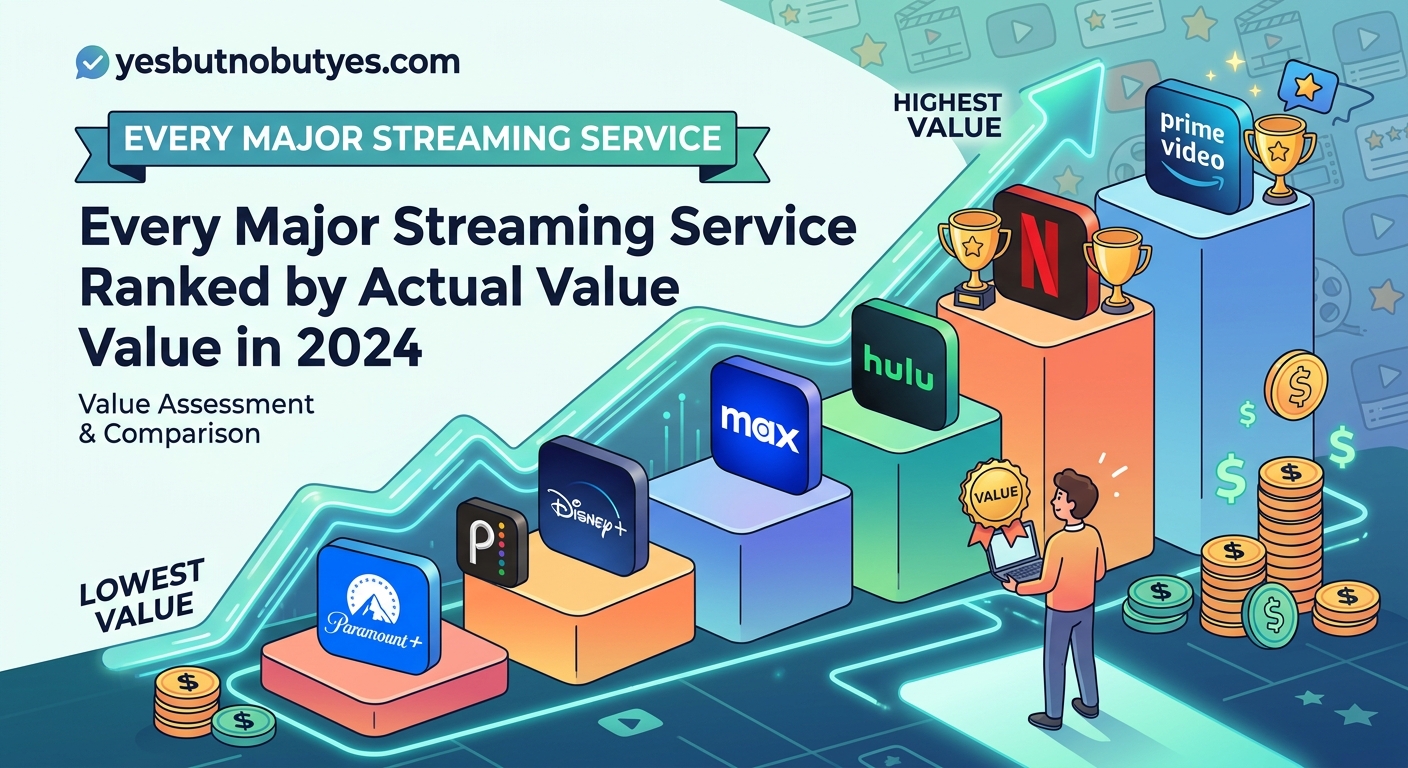
You don’t need every service simultaneously. Rotate subscriptions based on content releases to cut costs without missing shows.
Subscribe to Netflix in November when new seasons drop, watch everything worthwhile, then cancel in January. Switch to Max for February and March when HBO releases prestige dramas. Move to Disney+ in summer when Star Wars and Marvel shows premiere.
This rotation cuts annual costs by 50% or more while keeping you current on buzzy shows. You’ll wait a few months to watch some series, but streaming content doesn’t expire. Nothing forces you to watch immediately except fear of spoilers, which social media discipline can manage.
Set calendar reminders for when favorite shows return. Subscribe the week before premiere dates, binge the season, then cancel before the next billing cycle.
Common Streaming Mistakes That Waste Money
| Mistake | Why It Costs You | Better Approach |
|---|---|---|
| Keeping unused subscriptions active | Paying for services you watch once monthly wastes $10 to $20 per service | Cancel anything unwatched for 30 days |
| Paying for ad-free when ads don’t bother you | Premium tiers cost $5 to $10 more for minimal benefit | Start with ad-supported and upgrade only if commercials ruin the experience |
| Subscribing to sports packages you rarely watch | Live TV bundles cost $70+ but most viewers watch 2-3 games monthly | Use antenna for local games, visit sports bars for special events |
| Buying movies on platforms instead of renting | Purchased digital movies cost $15 to $25 but get watched once | Rent for $5.99 unless you’ll genuinely rewatch multiple times |
| Paying for 4K when your TV is 1080p | Premium tiers charge extra for resolution your hardware can’t display | Stick with standard plans until you upgrade your television |
Niche Services Worth Considering
Budget-conscious viewers often overlook specialized platforms that deliver tremendous value for specific interests.
Criterion Channel costs $10.99 monthly for classic and art house films. Cinephiles get more value here than from Netflix’s random classic movie selection. The curated collections and director spotlights provide film education alongside entertainment.
Shudder serves horror fans for $5.99 monthly. The library includes obscure gems, cult classics, and original productions you won’t find elsewhere. Horror enthusiasts watch enough here to skip more expensive general services.
CuriosityStream offers documentaries for $4.99 monthly. Nature shows, history deep dives, and science explainers fill the catalog. Pair it with YouTube for free content and you’ve got endless educational entertainment.
These niche platforms cost less than mainstream services while delivering higher satisfaction for targeted audiences. One specialized service often beats three generic ones for viewers with defined tastes.
Bundles and Deals That Actually Save Money
Service bundles promise savings but require math to verify actual value. Some bundles cost the same as buying services separately.
The Disney+, Hulu, and ESPN+ bundle at $14.99 with ads saves money only if you’d subscribe to all three individually. If you never watch sports, paying $14.99 for content from two services wastes money compared to buying them separately for $15.98.
Cell phone carriers offer streaming perks with unlimited plans. T-Mobile includes Netflix basic, Verizon gives Disney+, and AT&T provides HBO Max. These perks add value only if you’d pay for the service anyway. Don’t choose a more expensive phone plan just for a $10 streaming credit.
Student discounts cut costs significantly. Spotify Premium includes Hulu with ads for $5.99 total, saving students $7.98 monthly compared to separate subscriptions.
Annual subscriptions save 15% to 20% compared to monthly billing. Pay $99 yearly for Paramount+ instead of $143.88 in monthly fees. This works only for services you’ll definitely use all year.
Dealing with the Streaming Device Question
The best streaming services 2024 offers mean nothing if your hardware can’t run them smoothly. Older smart TVs struggle with newer apps, causing crashes and buffering.
Roku devices start at $29.99 and support every major platform. The interface stays consistent across services, making navigation easier than jumping between different smart TV apps. If you’re trying to figure out which streaming device actually deserves your TV, Roku offers the best value for most users.
Amazon Fire Stick costs $39.99 and pushes Prime Video heavily but supports all services. The Alexa integration works well for voice commands, though the interface clutters with ads.
Apple TV 4K runs $129 and delivers the smoothest experience across all platforms. The price only makes sense if you’re already invested in Apple’s ecosystem.
Chromecast with Google TV costs $49.99 and aggregates content across services into one interface. You can see what’s available without opening individual apps.
Your TV’s built-in apps work fine if they’re recent models. Save money by using what you have before buying external devices.
Making Streaming Work for Families
Families face unique challenges when choosing services. Kids want Disney+, teens want Netflix, parents want HBO, and everyone wants something different.
Start with the Disney bundle for family-friendly content and general entertainment. Add one prestige service like Max or Netflix based on adult preferences. That’s two subscriptions covering most household needs.
Create separate profiles for each family member. This prevents kids’ shows from polluting your recommendations and keeps age-appropriate content separated.
Set screen limits and viewing schedules to prevent streaming from becoming expensive background noise. If the TV runs 24/7 with nobody watching, you’re wasting money regardless of subscription costs.
Use parental controls to block inappropriate content. Every major service includes these features, though implementation quality varies.
Share one account across your household legally. Most services allow 2-4 simultaneous streams, enough for family members to watch different content at the same time. When surviving family dinner when everyone has a different streaming service becomes a regular problem, you know you’ve subscribed to too many platforms.
Free Streaming Options Nobody Talks About
Paid services dominate conversations, but free platforms deliver surprising value for patient viewers willing to watch ads.
Tubi offers thousands of movies and shows completely free. The catalog skews older, but hidden gems populate every genre. You’ll sit through commercials, but the content costs nothing.
Pluto TV streams live channels and on-demand content for free. The experience mimics cable, with channels dedicated to specific genres running 24/7. Perfect for background viewing or discovering something random.
YouTube remains the internet’s largest free video platform. Creators produce professional-quality content across every topic imaginable. Many viewers could cancel paid subscriptions and survive on YouTube alone.
Library apps like Hoopla and Kanopy stream movies free with a library card. Selection varies by library system, but both offer criterion-quality films and documentaries.
Roku Channel aggregates free content from multiple sources into one interface. The selection rivals paid services for viewers who don’t need the latest releases.
When to Actually Pay for Premium Tiers
Ad-free upgrades tempt subscribers with promises of uninterrupted viewing, but the math rarely justifies the extra cost.
A typical hour of streaming includes 8-12 minutes of commercials on ad-supported tiers. If you watch 40 hours monthly, that’s 5-8 hours of ads. Premium tiers cost $5-10 more monthly to eliminate those ads.
You’re essentially paying $0.60 to $2.00 per hour to skip commercials. That makes sense for heavy viewers who watch 60+ hours monthly. Casual viewers who watch 10-15 hours monthly pay $3-6 per ad-free hour, terrible value.
4K streaming matters only if you own a 4K television and have internet speeds above 25 Mbps. Standard HD looks identical to 4K on smaller screens or older TVs.
Extra simultaneous streams justify premium tiers for large households. If family members constantly get “too many devices” errors, upgrading makes sense. Otherwise, stick with standard plans.
Offline downloads add value for travelers or commuters. Download shows on WiFi, watch during flights or subway rides without burning mobile data.
What 2024 Changed in the Streaming Wars
Password sharing crackdowns hit Netflix first, then spread to other platforms. Services now detect account sharing through IP addresses and device locations, forcing users onto individual plans.
This change increased costs for friend groups and families with college students. A Netflix account that served four people now requires four separate subscriptions or expensive additional member fees.
Ad-supported tiers became the new normal. Every major service except Apple TV+ now offers cheaper plans with commercials. This two-tier pricing pushes budget viewers toward ads while maintaining premium options for those willing to pay.
Content licensing became more restrictive. Studios pull shows from competitors to stock their own platforms. Friends left Netflix for Peacock. The Office moved to Peacock. This fragmentation forces viewers to subscribe to more services to access favorite shows, similar to how rewatchable movie scenes that never get old now scatter across different platforms.
Price increases hit every service. Netflix, Disney+, Max, and others raised rates by $1-3 per tier. These small increases compound across multiple subscriptions, adding $50-100 to annual entertainment costs.
The Real Cost of Streaming in 2024
Add up every subscription and the numbers shock most people. Four services at $12-15 each total $48-60 monthly, or $576-720 yearly.
That exceeds basic cable costs in many markets. The advantage comes from flexibility and content quality, not price savings.
Internet costs factor into streaming expenses. You need reliable broadband with speeds above 25 Mbps, costing $50-80 monthly in most areas. Cable bundles sometimes offer better deals when you factor in internet costs.
Hidden costs include:
- Streaming devices every 3-5 years ($30-130)
- Router upgrades for better WiFi coverage ($100-300)
- Increased electricity from TVs running more often ($5-10 monthly)
- Mobile data overages from watching on phones ($10-30 monthly)
The true monthly cost of streaming runs $100-150 when you include everything, not just subscription fees.
Building Your Perfect Streaming Setup
Your ideal combination depends on viewing preferences, budget limits, and household size.
Heavy TV watchers need two or three major services. Netflix or Max for originals, Hulu for current TV, Disney+ for families. That covers most entertainment needs for $25-40 monthly.
Movie fans should prioritize Max for Warner Bros. releases and Netflix for original films. Add Paramount+ when Top Gun or Mission Impossible sequels drop.
Sports viewers face tough choices. Most sports moved behind expensive paywalls on ESPN+, Peacock, and Paramount+. Antenna access covers local games free, saving $30-50 monthly compared to streaming packages.
Niche enthusiasts get better value from specialized services. Horror fans need only Shudder. Documentary lovers thrive on CuriosityStream. Classic film buffs choose Criterion Channel.
Casual viewers should start with one service, watch everything interesting, then rotate to another. This approach costs $10-15 monthly instead of $50-60.
Your Streaming Strategy for Maximum Value
The best streaming services 2024 has to offer won’t bankrupt you if you approach subscriptions strategically. Start with one or two platforms that match your viewing habits. Watch actively for a month, then honestly assess whether you’re getting value.
Cancel anything you haven’t used in 30 days. Rotate services seasonally based on content releases. Choose ad-supported tiers unless commercials genuinely ruin your experience. Share accounts legally within your household to maximize simultaneous streams.
Most importantly, remember that streaming exists to entertain you, not stress you out. If managing subscriptions becomes a part-time job, you’re overthinking it. Pick two services that make you happy, watch what you enjoy, and stop worrying about missing every show the internet discusses. There’s always something good to watch, regardless of which platforms you choose.