The Rise of Deinfluencing and What It Says About Our Relationship with Consumerism
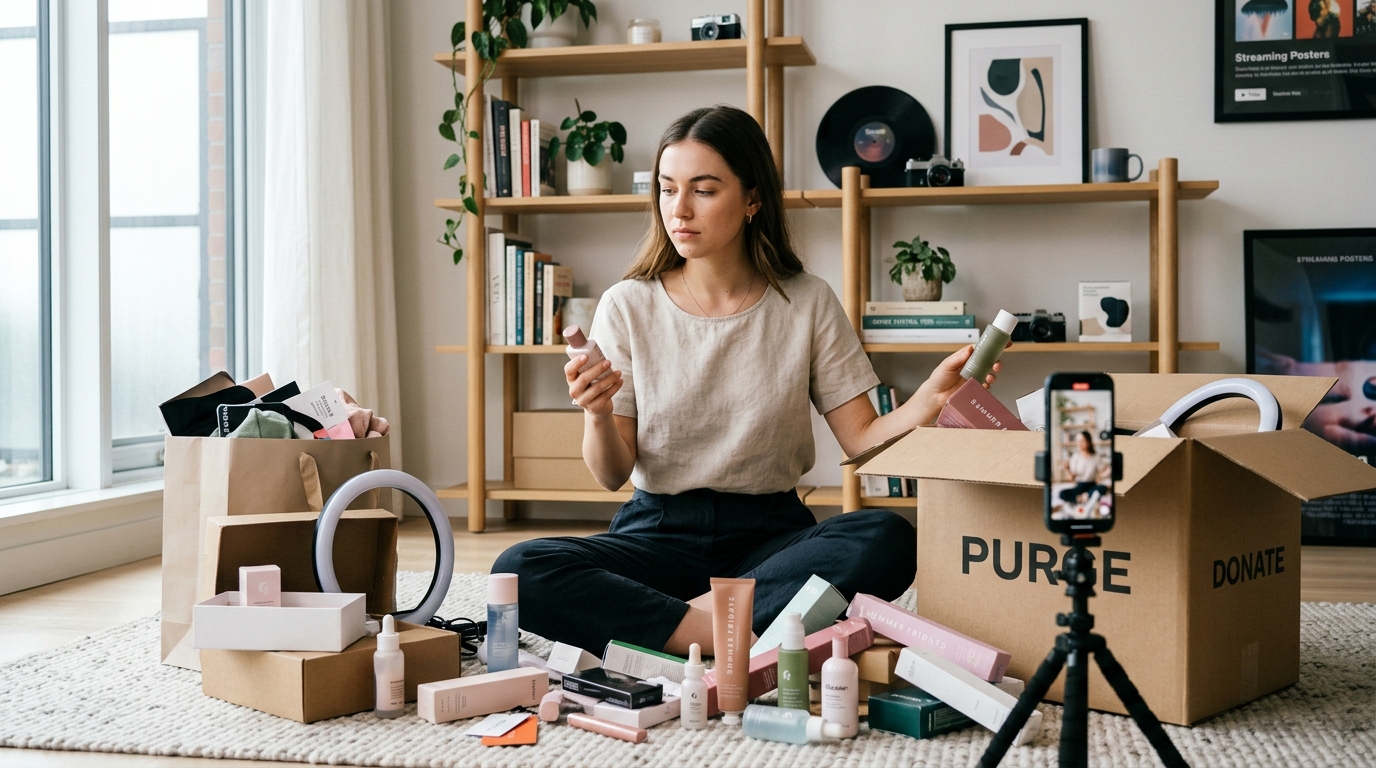
Your TikTok feed used to be full of “must have” products and “life changing” gadgets. Now it’s flooded with creators telling you exactly what NOT to buy. This shift isn’t random. It’s deinfluencing, and it’s reshaping how we think about shopping, social media, and the stuff we actually need.
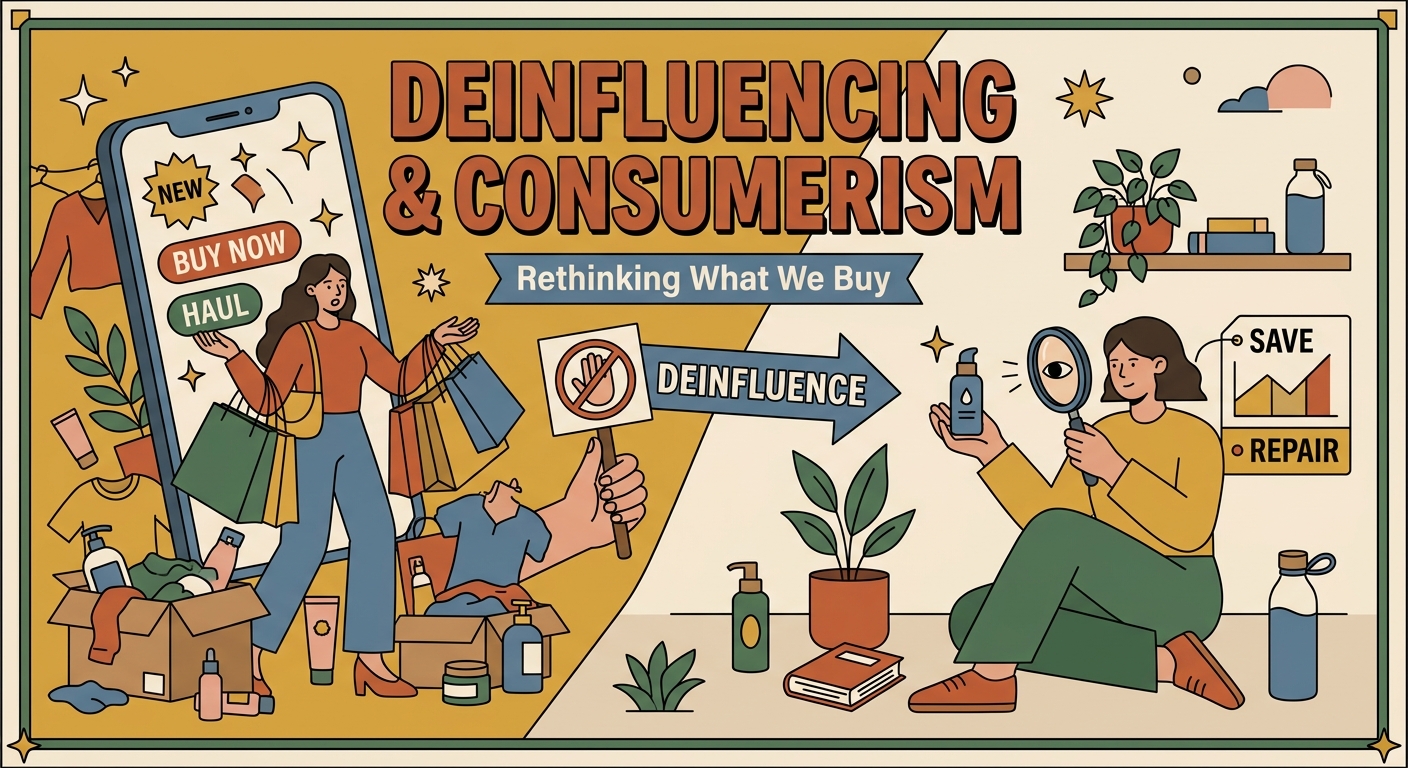
Deinfluencing is a social media movement where creators actively discourage followers from buying hyped products, offering honest reviews and budget-friendly alternatives instead. Born from overconsumption fatigue and influencer skepticism, this trend has gained millions of views on TikTok and Instagram, fundamentally changing how younger generations approach shopping and brand trust in the digital age.
The basics of deinfluencing explained
Deinfluencing flips traditional influencer marketing on its head. Instead of promoting products for commission or sponsorship deals, creators make content specifically warning followers away from popular items.
These videos typically follow a simple format. A creator shows a trending product, explains why it didn’t work for them, and suggests better alternatives or encourages saving money instead. The tone is honest, sometimes brutally so.
The movement gained serious momentum in early 2023. The hashtag #deinfluencing racked up over 500 million views on TikTok within months. Creators across beauty, fashion, tech, and lifestyle niches joined in.
What makes this different from regular negative reviews? Intent. Deinfluencers aren’t just sharing bad experiences. They’re actively pushing back against consumer culture and the pressure to constantly buy new things.
Why deinfluencing took off when it did
Several factors collided to make deinfluencing resonate with audiences right now.
First, influencer fatigue hit hard. After years of watching creators push product after product, many followers grew skeptical. The constant stream of “holy grail” items and “game changers” started feeling less authentic and more like a sales pitch.
Economic pressure played a huge role too. Rising costs of living made people reconsider impulse purchases. When rent and groceries eat up more of your budget, that $60 viral serum becomes harder to justify.
Environmental concerns also fueled the movement. Fast fashion hauls and excessive consumption started feeling irresponsible to climate-conscious viewers. Deinfluencing aligned with growing interest in sustainable living and minimalism.
The FTC’s stricter disclosure rules for sponsored content made the commercial nature of influencing more obvious. Seeing #ad on every other post reminded people they were watching marketing, not genuine recommendations.
“People are tired of being sold to constantly. Deinfluencing gives them permission to opt out of the hype cycle and feel good about it.” – Social media analyst
How deinfluencing actually works in practice
Creators approach deinfluencing through several specific methods:
- Product call-outs where they name specific viral items that didn’t live up to the hype
- Budget reality checks that break down whether expensive products are actually worth the cost
- Alternative suggestions offering cheaper or more effective options for the same need
- “Skip the trend” advice encouraging followers to resist FOMO purchases altogether
The most effective deinfluencing content includes personal experience. Creators show the product, explain what went wrong, and provide context about their expectations versus reality.
Many deinfluencers also address the psychology behind viral shopping. They talk about why we feel compelled to buy things we see online and how marketing tactics manipulate our purchasing decisions.
Some creators have built entire platforms around anti-consumerism. Their content consistently questions whether we need what we’re being sold, regardless of the specific product.
Common products deinfluencers target most
Certain categories get deinfluenced more than others:
- Expensive skincare products with cheaper drugstore equivalents
- Trendy fashion items that go out of style within weeks
- Kitchen gadgets that only do one thing
- Viral makeup products that work for limited skin types
- Tech accessories with misleading marketing claims
- Luxury dupes that aren’t actually dupes
Beauty products dominate deinfluencing content. The beauty industry’s constant product launches and influencer partnerships made it ripe for pushback. Creators often compare viral TikTok products that actually live up to the hype against those that absolutely don’t.
Fashion hauls also get significant attention. Fast fashion’s environmental impact and poor quality construction make it an easy target for deinfluencers advocating for more thoughtful purchasing.
Stanley Cups became a prime deinfluencing example. After the insulated tumblers went massively viral, creators pushed back against the idea that everyone needed multiple $45 water bottles. This conversation around why everyone’s suddenly buying Stanley Cups highlighted how trends can spiral into overconsumption.
The different types of deinfluencing content
| Type | Approach | Example |
|---|---|---|
| Product-specific | Calls out one viral item | “That $80 face cream is just moisturizer” |
| Category-wide | Questions entire product types | “You don’t need 47 eyeshadow palettes” |
| Brand-focused | Critiques specific companies | “This brand’s quality doesn’t match its prices” |
| Mindset-oriented | Addresses shopping psychology | “Stop buying things to feel productive” |
| Budget-conscious | Emphasizes financial responsibility | “Save that $200 for something that matters” |
Each type serves a different purpose. Product-specific deinfluencing helps people avoid individual bad purchases. Category-wide content encourages broader reflection on consumption habits.
What deinfluencing gets right and wrong
Deinfluencing’s strengths are clear. It provides a counterbalance to relentless marketing. It encourages critical thinking about purchases. It validates people who can’t afford every trending item.
The movement also creates space for honest product discussions. When creators aren’t being paid to promote something, their opinions carry more weight with audiences.
However, deinfluencing has contradictions. Many deinfluencers still make money from affiliate links to the “better alternatives” they suggest. The line between genuine advice and different marketing tactics can blur.
Some deinfluencing content is just negative reviews rebranded. Calling every critical opinion “deinfluencing” dilutes the movement’s anti-consumerist message.
There’s also a performative element. Telling people not to buy things can become its own form of content trend, divorced from actual values about consumption.
The biggest irony? Deinfluencing videos often boost interest in the products they’re criticizing. Viewers who’ve never heard of an item suddenly want to try it themselves, just to see if it’s really that bad.
How brands are responding to the trend
Companies initially panicked when deinfluencing took off. Seeing influencers actively discourage purchases threatened their marketing strategies.
Some brands responded by improving product quality and being more honest about what their products can actually do. Others doubled down on authentic partnerships with creators who genuinely use their products.
Smart companies recognized deinfluencing as valuable feedback. If multiple creators call out the same issue, that’s data about what needs fixing.
A few brands even leaned into deinfluencing. They created campaigns acknowledging their products aren’t for everyone, positioning themselves as honest alternatives to hype-driven competitors.
The influencer marketing industry adapted too. Agencies now vet partnerships more carefully, knowing that overly promotional content will get called out.
The connection between deinfluencing and bigger cultural shifts
Deinfluencing didn’t emerge in a vacuum. It reflects broader changes in how younger generations think about consumption and authenticity.
Millennials and Gen Z grew up with constant advertising. They developed sophisticated BS detectors for marketing tactics. Deinfluencing speaks to that skepticism.
The movement also connects to minimalism, sustainability, and anti-capitalism conversations happening across social media. It’s part of a larger questioning of whether buying more stuff actually makes us happier.
Internet trends from 2010 that celebrated hauls and shopping sprees feel outdated now. The cultural mood has shifted toward being more intentional about consumption.
Mental health awareness plays a role too. People increasingly recognize that retail therapy and keeping up with trends can fuel anxiety rather than relieve it.
Practical ways to apply deinfluencing thinking
You don’t need to be a content creator to benefit from deinfluencing principles. Here’s how to use this mindset:
Before buying something viral, pause for 48 hours. If you still want it after two days, it might be a genuine need rather than impulse.
Ask yourself three questions about any purchase:
– Will I use this regularly?
– Do I already own something similar?
– Am I buying this because I want it or because I saw it online?
Follow creators who align with your values. If you’re trying to spend less, following people who constantly promote products works against your goals.
Unfollow accounts that make you feel bad about what you don’t have. Your feed should inspire you, not make you feel inadequate.
Check reviews from multiple sources before buying. One person’s holy grail might be completely wrong for you.
Calculate cost per use for expensive items. A $200 jacket you wear weekly for years is a better investment than a $30 top you wear once.
Common mistakes people make with deinfluencing
Treating all product recommendations as evil misses the point. Some influencers genuinely love what they share. The goal isn’t to never buy anything, but to buy more thoughtfully.
Replacing one form of mindless consumption with another defeats the purpose. Buying every “budget alternative” a deinfluencer suggests is still overconsumption.
Shaming people for their purchases creates unnecessary judgment. Deinfluencing should be about personal choice, not making others feel bad about what they buy.
Assuming expensive always means overpriced ignores that some products genuinely offer better quality or performance. Price isn’t always about hype.
Forgetting that different things work for different people leads to blanket statements that aren’t helpful. Just because a product didn’t work for one creator doesn’t mean it won’t work for you.
Where deinfluencing goes from here
The trend shows no signs of disappearing. As long as influencer marketing exists, there will be pushback against it.
We’ll likely see deinfluencing evolve into more nuanced conversations about value, quality, and personal needs rather than simple “don’t buy this” messages.
Brands will probably integrate deinfluencing-style honesty into their own marketing. Acknowledging limitations and being upfront about who a product is actually for could become a competitive advantage.
The movement might expand beyond products into services, experiences, and lifestyle choices. We’re already seeing “deinfluencing” around expensive wellness trends and luxury travel.
Regulation could play a role too. If disclosure rules get stricter, the line between genuine recommendations and paid promotions will become even clearer, potentially reducing the need for deinfluencing as a counterbalance.
Why this shift in online shopping culture matters
Deinfluencing represents something bigger than just telling people not to buy stuff. It’s about reclaiming agency in a digital landscape designed to turn us into consumers first and people second.
The movement validates that it’s okay to sit out trends. You don’t need every viral product to be happy, stylish, or successful. Sometimes the best purchase is the one you don’t make.
For creators, deinfluencing offers a way to build trust without constantly selling. For viewers, it provides permission to question the endless cycle of wanting more.
Whether you’re someone who loves shopping or someone trying to cut back, understanding deinfluencing helps you navigate social media more intentionally. You can enjoy content without feeling pressured to buy everything you see. You can appreciate recommendations while still thinking critically about whether something actually fits your life.
The next time a product floods your feed with rave reviews, remember that there’s probably a deinfluencing video out there too. Both perspectives have value. The power is in choosing which voice to listen to based on your own needs, budget, and values, not someone else’s agenda.