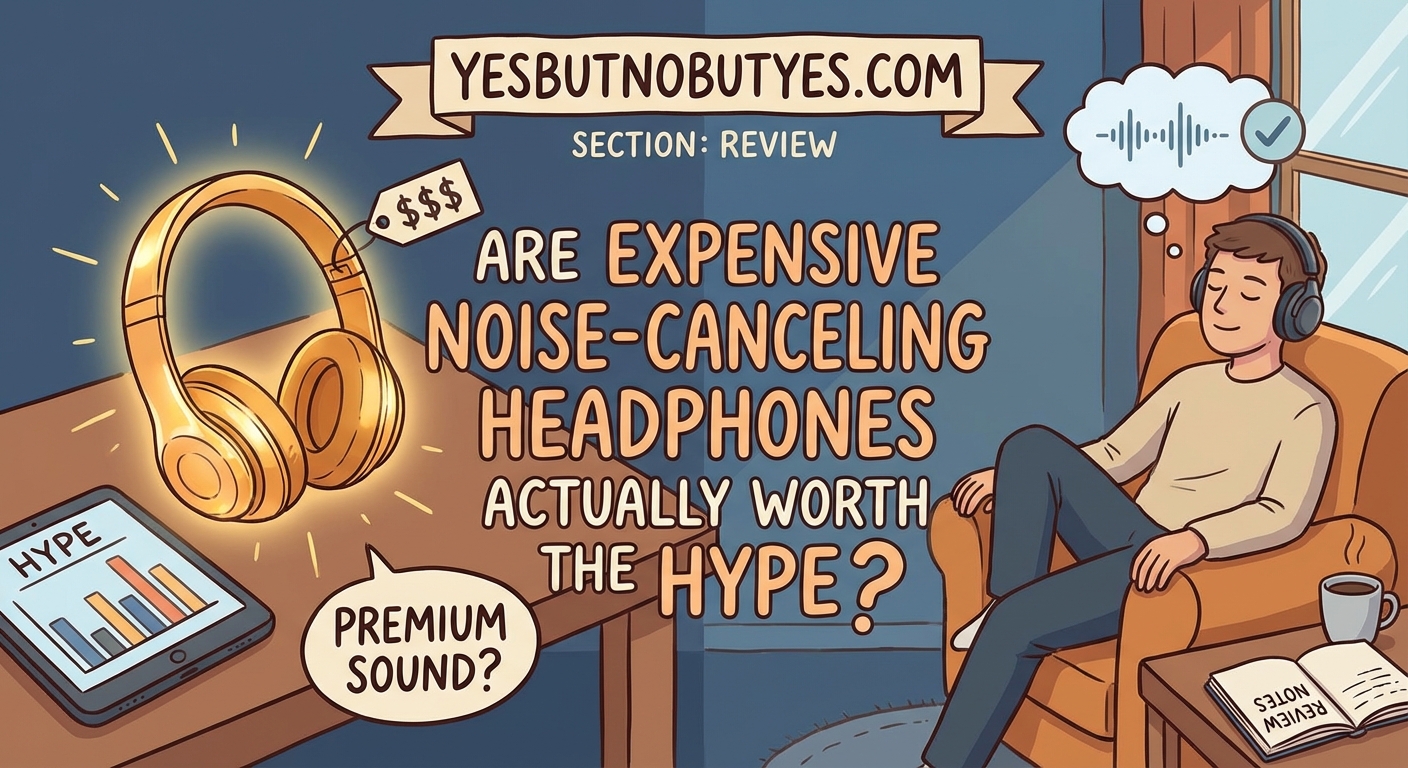
Are Expensive Noise-Canceling Headphones Actually Worth the Hype?
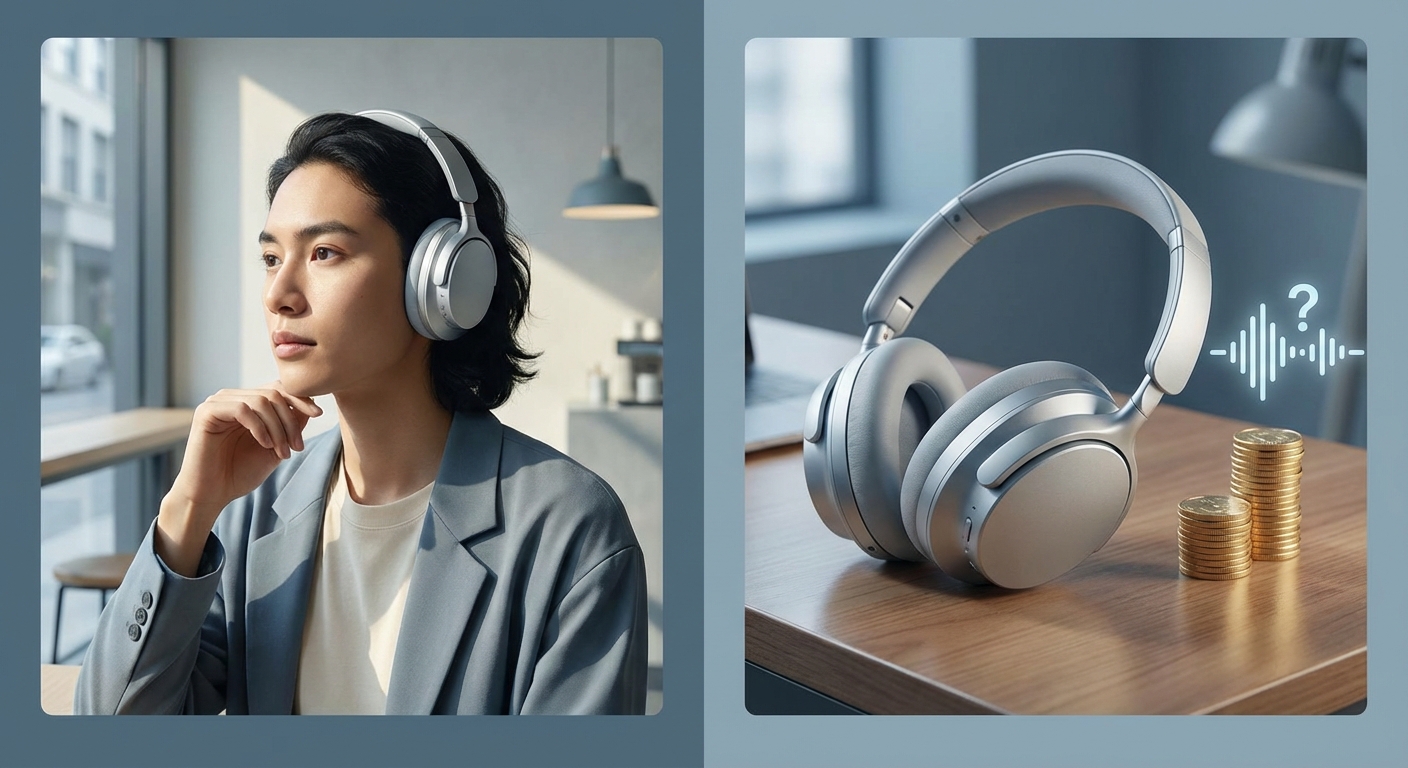
You’re sitting in a coffee shop trying to focus, but the espresso machine won’t stop hissing and someone’s having a loud phone call three feet away. Or maybe you’re on a plane and the engine drone is making your brain feel like mush. That’s when you start wondering if those pricey noise canceling headphones everyone raves about are actually worth the money.
Noise canceling headphones are worth it if you regularly deal with constant low-frequency sounds like airplane engines, traffic, or HVAC systems. They excel at blocking droning noises but struggle with sudden sounds and voices. For occasional use or quiet environments, standard headphones with good passive isolation often make more financial sense than spending $200 to $400 on active noise cancellation technology.
How Noise Canceling Technology Actually Works
Active noise cancellation isn’t magic. It’s physics.
The headphones use tiny microphones on the outside of each ear cup to pick up ambient sound. Then they generate an opposite sound wave that cancels out the incoming noise before it reaches your ears. Think of it like creating a mirror image of the sound that neutralizes the original.
This process happens in milliseconds. The technology works best on consistent, predictable sounds. Airplane engines, train rumbles, air conditioning hum. These are the sweet spot for ANC.
But here’s the catch. The tech struggles with irregular, high-frequency noises. Someone dropping a plate. A dog barking. Your coworker suddenly laughing. The headphones can’t predict these sounds fast enough to cancel them out effectively.
Passive noise isolation also plays a huge role. That’s just the physical seal the ear cups create around your ears. Many people don’t realize that half the noise blocking comes from this seal, not the fancy electronics.
What You’re Actually Paying For
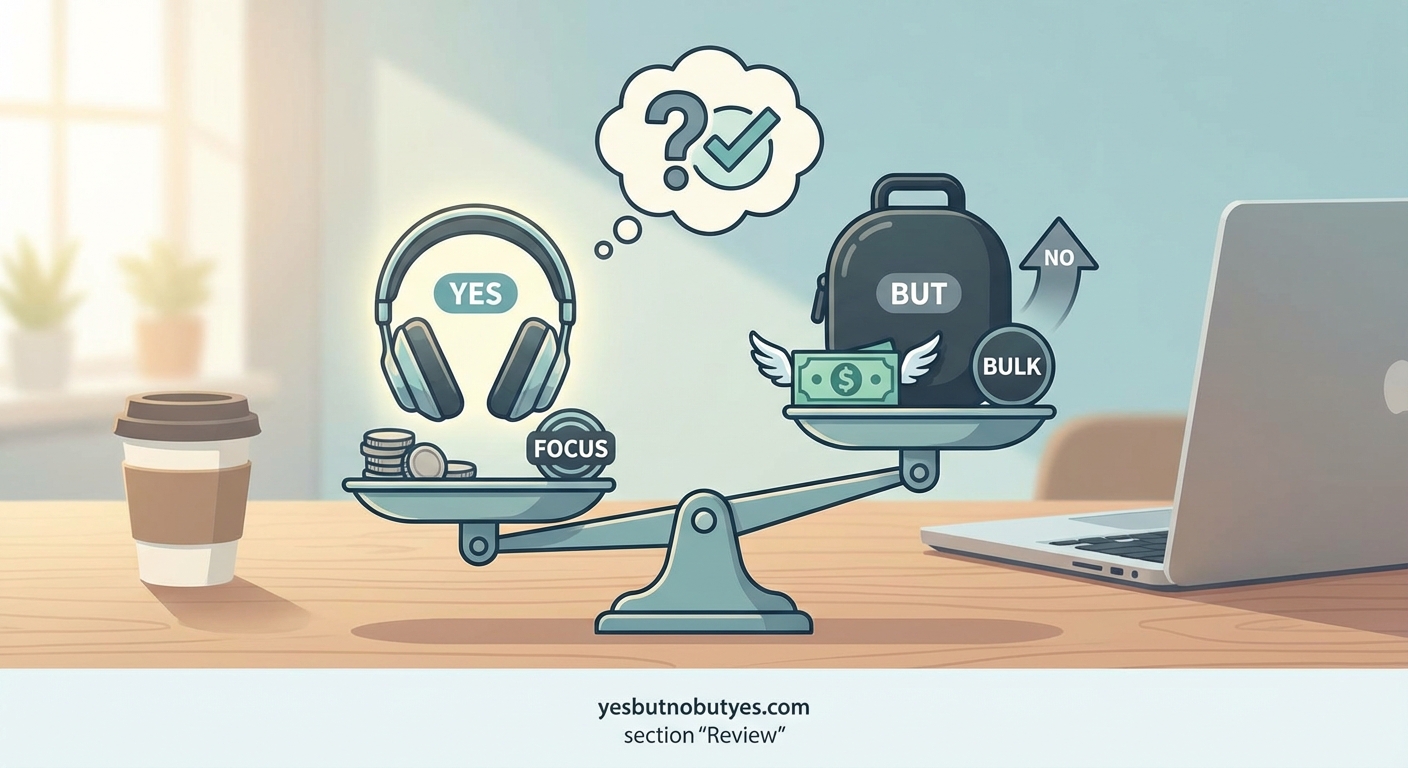
Let’s break down the price brackets and what you get.
Budget tier ($50 to $100)
– Basic ANC that handles steady background noise
– Decent but not exceptional sound quality
– Shorter battery life (15 to 20 hours)
– Plastic build that feels cheaper
– Limited features
Mid-range ($150 to $250)
– Significantly better noise cancellation
– Improved audio quality with balanced sound
– 25 to 30 hours of battery
– More comfortable padding and materials
– Multipoint Bluetooth connection
– Basic companion app
Premium tier ($300 to $400)
– Top-tier ANC that blocks 90% of droning sounds
– Audiophile-grade sound with customizable EQ
– 30+ hours of battery life
– Premium materials and superior comfort
– Advanced features like spatial audio
– Adaptive ANC that adjusts to your environment
The jump from budget to mid-range makes a huge difference. The jump from mid-range to premium? That’s where you need to be honest about your needs.
Who Benefits Most From This Technology
Not everyone needs noise canceling headphones. Here’s who actually gets their money’s worth.
Frequent travelers
If you fly more than once a month, these headphones pay for themselves in sanity alone. The constant engine drone on planes is exactly what ANC was designed to eliminate. You’ll arrive less exhausted and less irritated.
Commuters on public transit
Trains, subways, and buses create that perfect low-frequency rumble that ANC crushes. Your 45-minute commute becomes actually tolerable.
Open office workers
HVAC systems, computer fans, and that general office hum disappear. But remember, ANC won’t block out your chatty desk neighbor. You’ll still hear conversations.
People with sensory sensitivities
Constant background noise can be genuinely overwhelming for some people. ANC creates a buffer that makes daily life less exhausting.
Remote workers in noisy homes
Kids playing, neighbors renovating, traffic outside. ANC helps create a focus zone when you don’t have a dedicated quiet space.
When Standard Headphones Make More Sense
Here are situations where you shouldn’t bother with noise canceling tech.
You already work in a quiet environment. If your home office is peaceful or your commute is short, you’re paying for features you won’t use regularly.
You need to stay aware of your surroundings. Runners, cyclists, and people who walk in busy areas need to hear traffic and other potential hazards. ANC creates dangerous isolation in these scenarios.
You primarily listen at home. Good passive isolation from closed-back headphones gives you plenty of quiet without the ANC premium.
You’re on a tight budget. Spending $250 on headphones when you could get 80% of the experience for $80 doesn’t make financial sense for everyone.
Your main concern is sound quality. Audiophiles often prefer wired headphones without ANC because the noise canceling circuitry can affect audio fidelity, even when turned off.
The Real Performance Test
Here’s what noise canceling headphones actually block, based on sound type.
| Sound Type | Blocking Effectiveness | Why |
|---|---|---|
| Airplane engine | 85-95% reduction | Constant low frequency, perfect for ANC |
| Train/subway noise | 80-90% reduction | Predictable rumble and drone |
| Traffic hum | 75-85% reduction | Steady background noise |
| HVAC systems | 80-90% reduction | Consistent mechanical sound |
| Keyboard typing | 40-50% reduction | Mid-frequency, somewhat irregular |
| Conversations | 20-40% reduction | High frequency, unpredictable patterns |
| Sudden loud noises | 10-20% reduction | Too fast for ANC to react |
| Baby crying | 15-25% reduction | High pitch defeats the technology |
The pattern is clear. Low, steady, predictable sounds get crushed. Everything else? Not so much.
Common Mistakes People Make
Expecting complete silence
No headphones create a soundproof bubble. You’ll still hear things. The technology reduces volume, it doesn’t eliminate sound entirely.
Ignoring fit and comfort
The physical seal matters as much as the electronics. Headphones that don’t fit properly won’t block noise well, regardless of how expensive they are.
Using them for the wrong situations
Buying premium ANC for occasional use is like buying a sports car for weekly grocery runs. It works, but you’re not getting value from the investment.
Not testing the return policy
Everyone’s ears are different. What works perfectly for reviews might feel uncomfortable after an hour on your head. Always buy from retailers with solid return policies.
Forgetting about battery life
ANC drains batteries. If you forget to charge them, you’re stuck with heavy headphones that don’t sound as good in passive mode.
The Hidden Costs Nobody Mentions
Replacement parts add up over time. Ear pads wear out after 12 to 18 months of heavy use. Replacement pads cost $20 to $50 depending on the brand.
Battery degradation happens. After two years, you might get 60% of the original battery life. Some models have replaceable batteries. Most don’t.
Software updates can be a blessing or a curse. Sometimes they improve performance. Sometimes they introduce bugs. You’re dependent on the manufacturer continuing to support your model.
Traveling with expensive headphones creates anxiety. You need a good case. You worry about theft. You baby them more than cheaper alternatives.
If you use your noise canceling headphones for more than two hours daily, the cost per use drops below 50 cents within the first year. That’s when the investment makes mathematical sense, not just emotional sense.
Testing Before You Buy
Here’s how to actually evaluate if noise canceling headphones work for you.
- Visit a store with a liberal return policy and buy the model you’re considering.
- Use them in your actual daily environment for at least three days, not just at home in a quiet room.
- Test them specifically in the situations where you need noise blocking, whether that’s your commute, your office, or while traveling.
- Pay attention to comfort after wearing them for more than an hour, because that’s when pressure points and heat buildup become apparent.
- Compare them directly to your current headphones or earbuds in the same environment to see if the difference justifies the cost.
Don’t trust store demos. The environments are artificial and the testing period is too short.
Alternative Solutions Worth Considering
Noise canceling earbuds cost less and work almost as well for many people. They’re more portable and less conspicuous. Battery life is shorter, but they charge faster.
High-quality earplugs plus regular headphones give you similar isolation for under $50 total. This combo works great if you mainly care about blocking noise, not pristine audio quality.
Over-ear headphones with excellent passive isolation can block 60% to 70% of ambient noise without any electronics. Brands focusing on studio monitoring often excel here.
White noise apps or devices create masking sounds that make background noise less noticeable. Combined with basic earbuds, this approach costs almost nothing.
Making the Final Decision
Calculate your cost per use honestly. If you’ll use them two hours daily, that’s 730 hours per year. A $300 pair costs 41 cents per hour in year one. That math works.
If you’ll use them twice a week for an hour? That’s 104 hours per year. Now you’re at $2.88 per hour. Still reasonable, but the value proposition changes.
Consider buying previous generation models. Last year’s flagship often drops to mid-range prices but keeps 90% of the performance. The Sony WH-1000XM4 still competes with newer models but costs significantly less.
Check for sales around major shopping holidays. Premium noise canceling headphones regularly drop 30% to 40% off during Black Friday, back to school season, and post-holiday sales.
Think about your upgrade cycle. If you replace tech every year anyway, premium makes sense. If you use things until they die, mid-range might be smarter because you’re not paying for features that will feel dated in three years.
Your Ears, Your Money, Your Choice
Are noise canceling headphones worth it? That depends entirely on your life.
If you’re drowning in constant background noise that’s making you tired, distracted, or stressed, then yes. The technology genuinely works for the problems it was designed to solve. You’ll feel the difference immediately.
But if you’re buying them because they seem cool or everyone else has them, save your money. Standard headphones with good isolation will serve you just fine. Spend the difference on something that actually improves your daily experience.
The best headphones are the ones you’ll actually use. Sometimes that’s a $350 pair of Sony or Bose flagships. Sometimes it’s a $79 pair that does exactly what you need without the premium features you’ll never touch.
Trust your specific situation more than any review or recommendation. Your commute, your office, your sensitivity to noise. That’s what matters.