17 Viral TikTok Products That Actually Live Up to the Hype
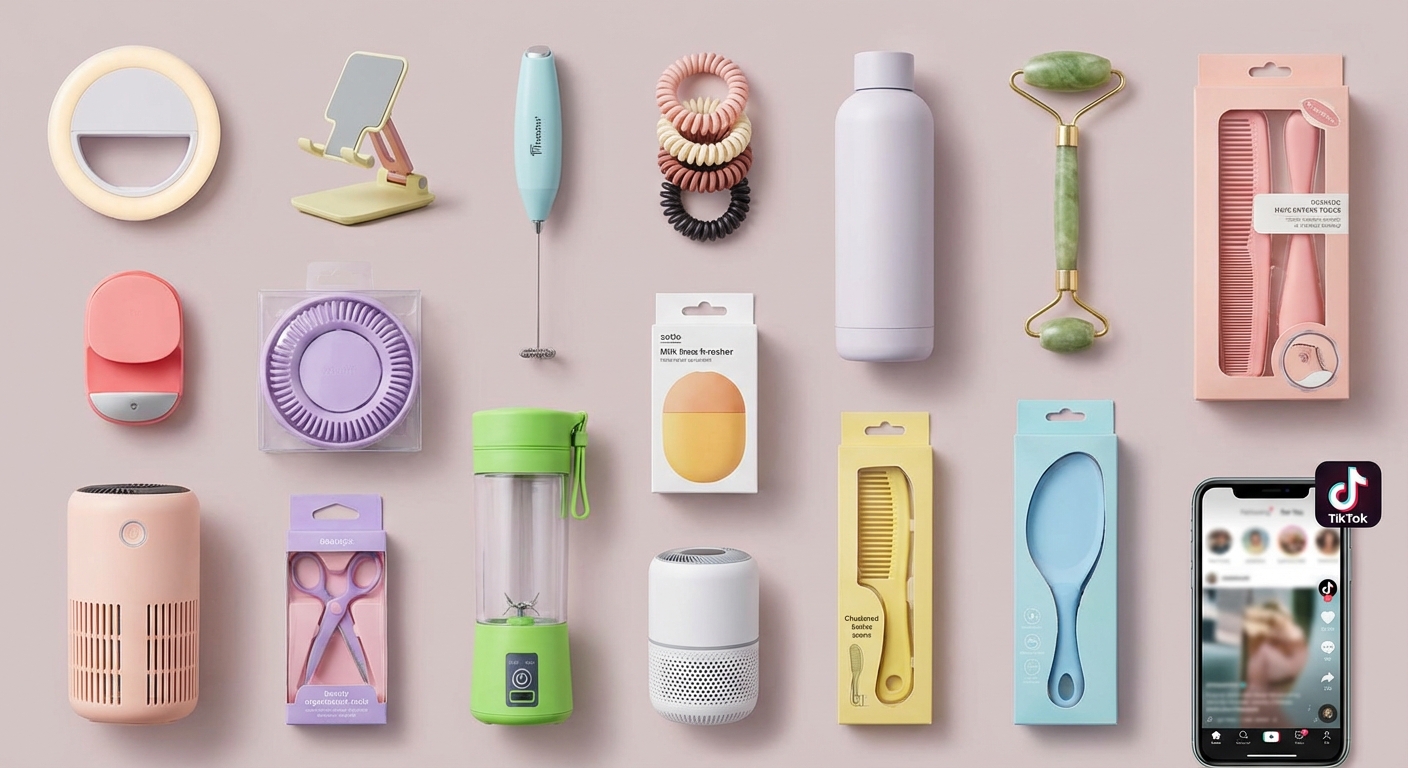
TikTok has turned into the internet’s most powerful shopping channel. One video can send a product from obscurity to sold out status in hours. But here’s the thing: not every viral sensation lives up to the hype. Some products are genuinely game-changing. Others are just clever marketing wrapped in trending audio.
TikTok viral products worth buying share common traits: they solve real problems, work as advertised, and maintain quality despite mass production. This guide examines which hyped items actually deliver value, how to spot genuine reviews versus paid promotions, and what makes certain products worthy of their viral status. We tested trending items across beauty, home, tech, and lifestyle categories to separate legitimate finds from overhyped disappointments.
Why TikTok Products Go Viral (And Why That Matters)
The algorithm favors genuine reactions. When someone discovers a product that actually works, their excitement reads as authentic. That authenticity drives engagement, which pushes the video to more feeds, creating a snowball effect.
But brands have caught on. Paid promotions now mimic organic content. Influencers receive free products with the understanding they’ll create positive content. The line between honest recommendation and advertisement has blurred beyond recognition.
This creates a problem for shoppers. How do you know if a product genuinely works or if you’re watching a paid performance?
Red Flags That Signal Overhyped Products
Learning to spot suspicious patterns saves money and disappointment. Watch for these warning signs:
- Every video uses identical talking points or phrases
- Reviews only show the product working perfectly on the first try
- Creators never mention price or where to buy organically
- Comment sections are filled with “link in bio” responses
- The product claims to solve multiple unrelated problems
- Before and after results look dramatically different in lighting or angles
Genuine viral products generate varied content. People test them in different scenarios, point out minor flaws, and create follow-up videos weeks later. That’s the content worth trusting.
Categories Where Viral Products Actually Deliver
Some product categories consistently produce legitimate viral hits. Others rarely live up to their hype.
Beauty and Skincare Winners
Skincare products go viral for good reason. Results are visible, timelines are clear, and people love sharing transformations. The CeraVe phenomenon started on TikTok when dermatologists began recommending affordable drugstore options over luxury brands.
Makeup tools also perform well. The beauty blender, though not TikTok-born, saw renewed viral success when creators showed proper techniques. New iterations of classic tools (like silicone makeup sponges) gain traction when they genuinely improve the application process.
Home Products That Work
Cleaning products dominate this space. The Pink Stuff cleaning paste became a sensation because it actually removed stubborn stains. Videos showed real grime disappearing, not staged demos with pre-cleaned surfaces.
Organization tools succeed when they solve annoying problems. Drawer dividers, closet systems, and storage solutions go viral because people immediately see applications in their own homes.
Tech Accessories Worth the Hype
Phone accessories rarely disappoint when they go viral. Pop sockets, ring lights, and portable chargers have clear functions. Either they work or they don’t. There’s little room for exaggeration.
LED strip lights became a staple of room makeovers. They’re affordable, easy to install, and deliver exactly what they promise: colorful lighting that changes ambiance.
How to Verify Product Claims Before Buying
Follow this process before purchasing any viral product:
- Search the product name plus “review” on TikTok and filter by recent posts
- Check Amazon or retailer reviews for patterns in complaints
- Look for videos posted 30+ days after the initial viral wave
- Find creators who purchased the item themselves rather than received it for free
- Compare prices across multiple retailers to avoid inflated “viral tax” markups
- Read negative reviews first to understand potential dealbreakers
This verification process takes maybe ten minutes. It prevents impulse purchases driven by algorithm-fueled excitement rather than actual need.
The Real Cost of Viral Shopping
Viral products often carry premium pricing. Sellers know demand is high and supply is limited. They adjust prices accordingly.
| Product Type | Normal Price Range | Viral Price Spike | Worth the Premium? |
|---|---|---|---|
| Cleaning tools | $5 – $15 | $20 – $35 | Rarely |
| Skincare items | $10 – $30 | $40 – $60 | Sometimes |
| Kitchen gadgets | $15 – $25 | $35 – $50 | Depends on frequency of use |
| Organization | $8 – $20 | $25 – $45 | Usually not |
| Tech accessories | $10 – $30 | $30 – $60 | If quality is verified |
Wait a few weeks after something goes viral. Prices typically stabilize once the initial frenzy fades. The product will still work the same at a lower cost.
Products That Consistently Earn Their Viral Status
Certain items have maintained popularity long after their viral moment because they genuinely deliver value.
The Revlon One-Step Hair Dryer continues to sell because it cuts styling time significantly. Users report consistent results across different hair types. The tool does what it promises: combines drying and styling in one step.
The Ordinary’s skincare line went viral for transparency and effectiveness. They list active ingredients prominently, explain what each does, and price products affordably. This combination of education and value creates lasting customer loyalty.
Crocs experienced a massive TikTok-fueled comeback. Gen Z embraced the comfort-first aesthetic, creating an ironic-turned-genuine trend. The product itself hasn’t changed, but perception shifted entirely through social media.
“The best viral products solve problems people didn’t realize they had. They make daily tasks easier, faster, or more enjoyable. Everything else is just noise.” – Consumer behavior researcher studying social commerce trends
When Dupes Are Better Than Originals
The viral product often isn’t the best version. It’s just the first to gain traction.
Amazon and other retailers quickly produce similar items at lower prices. Sometimes these alternatives actually improve on the original design. They fix minor flaws, use better materials, or add useful features.
Compare specifications carefully. Read reviews that directly compare the dupe to the original. Many creators now make comparison videos specifically testing viral products against their cheaper alternatives.
Don’t assume the original is always superior just because it went viral first. Brand recognition doesn’t guarantee quality.
The Psychology Behind Viral Product Appeal
Understanding why you want something helps determine if you actually need it.
- FOMO (fear of missing out): Everyone seems to have it, so you should too
- Social proof: Millions of views must mean it’s good
- Transformation promise: This product will improve your life significantly
- Accessibility: It’s available right now with easy ordering
- Affordability: Priced low enough to impulse buy without guilt
Recognizing these psychological triggers creates space for rational decision-making. Ask yourself: would I want this if I hadn’t seen it on TikTok? If the answer is no, wait 48 hours before purchasing.
Categories to Approach with Skepticism
Some product types rarely live up to viral hype:
- Miracle weight loss or fitness equipment
- Gadgets that claim to replace professional services
- Beauty devices promising dramatic anti-aging results
- Kitchen tools that only serve one hyper-specific function
- Cleaning products with vague “chemical-free” claims
These categories rely on exaggerated promises. They target insecurities or promise unrealistic shortcuts. Professional results require professional tools and expertise.
How Brands Manufacture Viral Moments
Companies now budget specifically for TikTok campaigns. They send products to dozens of creators simultaneously, hoping one video catches fire.
This coordinated approach isn’t inherently bad. It just means you need to look harder for genuine reviews. Check posting dates. If twenty creators posted about the same product within a three-day window, it’s a campaign.
Campaigns don’t automatically mean the product is bad. They just mean you’re watching advertising, not organic discovery. Adjust your skepticism accordingly.
Building Your Personal Viral Product Strategy
Create guidelines for your own viral shopping:
- Set a maximum impulse purchase amount (maybe $25)
- Maintain a wishlist where viral products sit for two weeks minimum
- Unfollow accounts that only post sponsored content
- Follow creators who post follow-up reviews months later
- Join product-specific subreddits or forums for honest discussions
These boundaries protect against algorithm-driven impulse buying while still allowing discovery of genuinely useful products.
The Environmental Impact of Viral Shopping
Viral trends create waste. Products get purchased, used once for content, then discarded. Or they sit unused because they didn’t meet expectations.
Consider longevity before buying. Will you actually use this product regularly? Does it replace something you already own? Is it made from materials that will last?
The most sustainable viral purchase is the one you don’t make. The second most sustainable is buying something you’ll use for years.
Finding Balance in the Viral Shopping Cycle
TikTok product discovery isn’t going anywhere. The platform has fundamentally changed how people find and evaluate products. That’s not necessarily bad.
The key is approaching viral products with the same scrutiny you’d apply to any purchase. Just because millions of people have seen something doesn’t mean it’s right for you.
Some viral products genuinely improve daily life. Others are fleeting trends that seem essential in the moment but lose appeal quickly. Learning to distinguish between the two saves money and reduces regret.
Making Viral Shopping Work for You
TikTok can be an incredible product discovery tool when used intentionally. You find items you never knew existed that solve real problems. You learn new uses for familiar products. You connect with communities of people who share your interests.
The platform becomes problematic when it drives mindless consumption. When you buy things because they’re trending rather than because you need them. When your feed becomes an endless shopping channel rather than entertainment.
Set boundaries that work for your budget and values. Maybe you allow yourself one viral purchase per month. Maybe you only buy items you’ve seen reviewed multiple times over several weeks. Maybe you wait until something goes on sale before purchasing.
Whatever system you create, make sure it serves you rather than the algorithm. Your feed should inspire and inform, not just sell. The best viral products enhance your life. Everything else is just clutter with good marketing.