Why Everyone’s Suddenly Obsessed with Visiting Film Locations from Their Favorite Shows
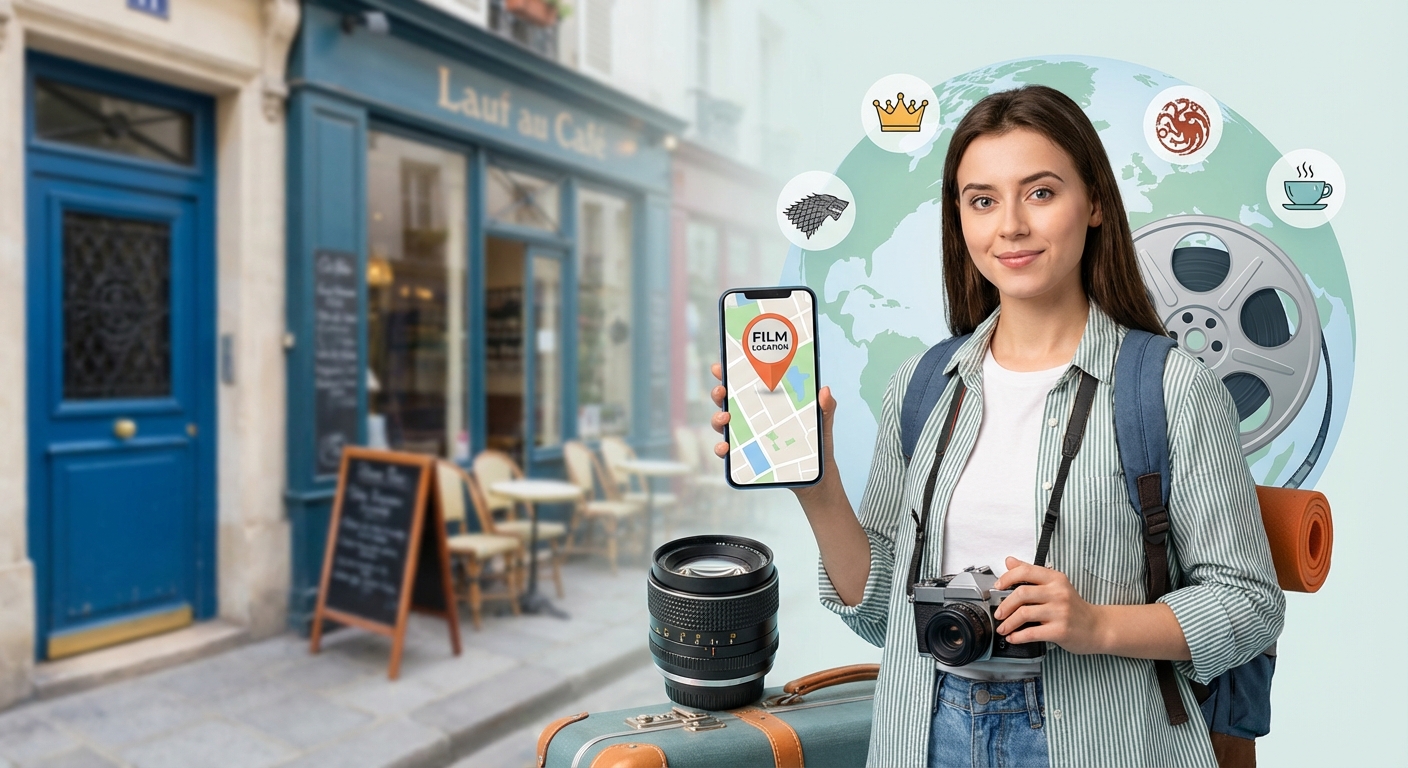
You’ve probably scrolled past someone’s Instagram photo at the “Succession” penthouse or spotted a friend posing on the Spanish Steps from “Emily in Paris.” What used to be a niche hobby for superfans has exploded into a mainstream travel phenomenon that’s reshaping how people choose their next vacation.
The film tourism trend has transformed from a niche activity into a billion-dollar industry driving destination choices worldwide. Streaming platforms, social media, and accessible travel have converged to make visiting filming locations a priority for entertainment-savvy travelers. From “Game of Thrones” castles to “White Lotus” resorts, fans are booking trips based on what they watch, creating economic booms for featured destinations and fundamentally changing how tourism boards market themselves.
Why Streaming Changed Everything About Location Travel
Netflix, HBO Max, Disney+, and other platforms didn’t just change how we watch content. They changed where we want to go.
Before streaming dominated our screens, you might catch a movie once in theaters, maybe rent it later. Now? You binge eight episodes of a show in a weekend, completely immersed in its world. That Italian villa from “The White Lotus” isn’t just background scenery. It’s a character you’ve spent hours with.
The numbers tell the story. Tourism to New Zealand jumped 40% after “The Lord of the Rings” trilogy, but that took years to build. “Squid Game” aired in September 2021, and by November, Korean tourism inquiries had spiked 350%. That’s the streaming effect.
Platforms also make rewatching effortless. You can pause, screenshot exact locations, and Google them instantly. This wasn’t possible when VHS tapes dominated. The barrier between “I wonder where that was filmed” and “I just booked a hotel there” has practically vanished.
The Social Media Amplification Loop
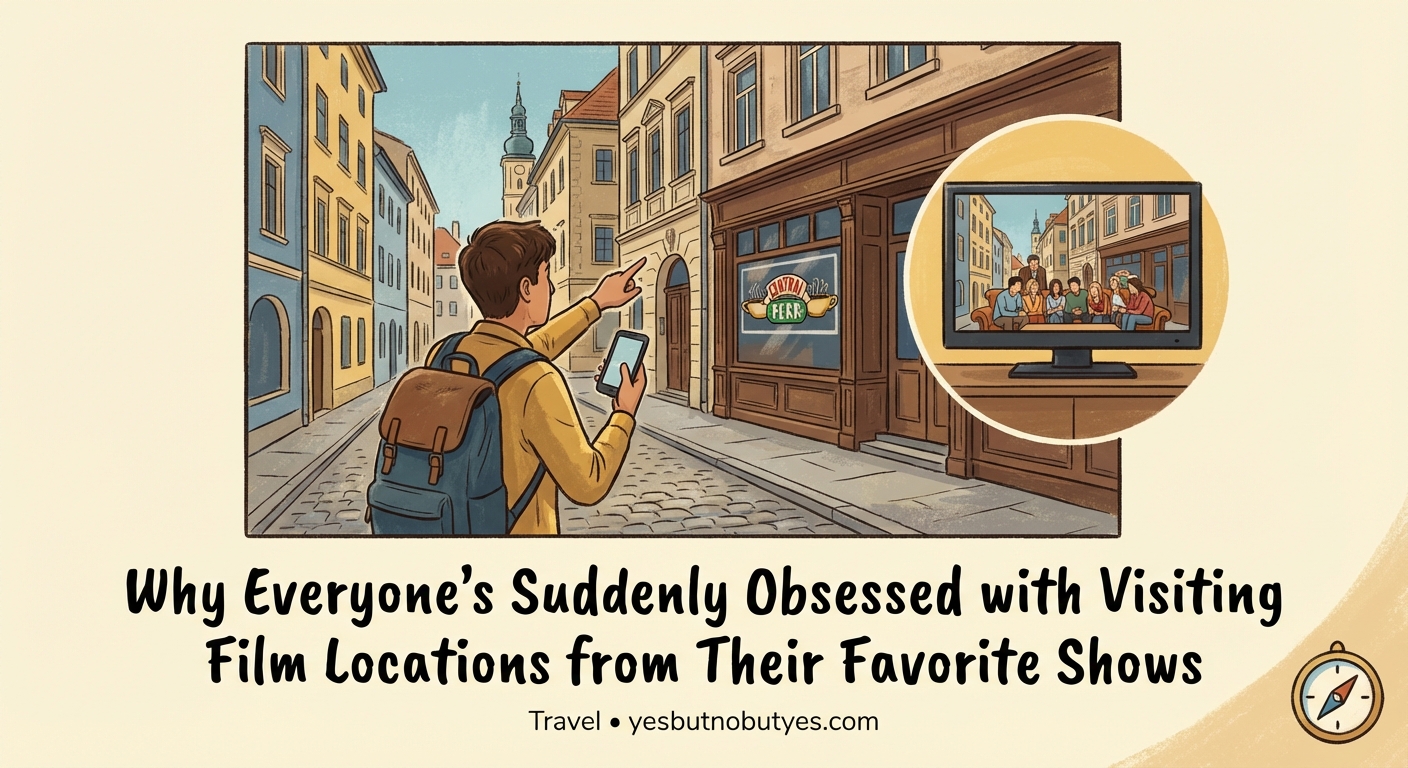
Seeing a beautiful location on screen is one thing. Seeing your college roommate standing there is another.
Instagram and TikTok turned filming locations into must-visit checkpoints. When “Bridgerton” featured Bath’s Royal Crescent, it wasn’t just fans who noticed. It was every traveler scrolling through perfectly curated photos of people in Regency-era dress at those iconic Georgian buildings.
The algorithm rewards these posts too. A photo at Central Perk from “Friends” or the “Breaking Bad” RV gets more engagement than generic vacation shots. People aren’t just visiting these places. They’re collecting proof they were there.
TikTok has made this even more intense. Search #WhiteLotus and you’ll find thousands of videos from the San Domenico Palace in Taormino, complete with soundtrack clips from the show. Each video becomes free marketing for both the location and the show itself.
This creates a feedback loop. Shows get more viewers because locations look amazing on social media. Locations get more visitors because shows made them famous. Everyone wins except maybe the locals dealing with crowds.
How Production Companies Picked Better Locations
Hollywood didn’t always care if filming locations were accessible or photogenic in real life.
Now they do. Production scouts know that a beautiful, visitable location extends a show’s marketing reach far beyond its air date. “Game of Thrones” didn’t just need medieval-looking settings. It needed places fans could actually visit and spend money.
Croatia’s Dubrovnik became King’s Landing, and the city’s tourism revenue doubled. The production team worked with local authorities to ensure access, create tours, and build infrastructure. This wasn’t accidental. It was strategic planning that benefited everyone.
Shows now include location accessibility in their calculus. “Emily in Paris” could have filmed anywhere, but Paris offers instantly recognizable landmarks that viewers can visit tomorrow if they want. The Panthéon, Pont Alexandre III, Place de l’Estrapade, these aren’t just pretty backgrounds. They’re destinations with hotels, restaurants, and tourist infrastructure already in place.
Even fictional businesses get the treatment. The bakery from “Emily in Paris” (actually Boulangerie Moderne) saw lines around the block after Season 1 aired. The owners didn’t pay for that advertising. The show’s location choices did it for them.
What Travelers Actually Do at Filming Locations
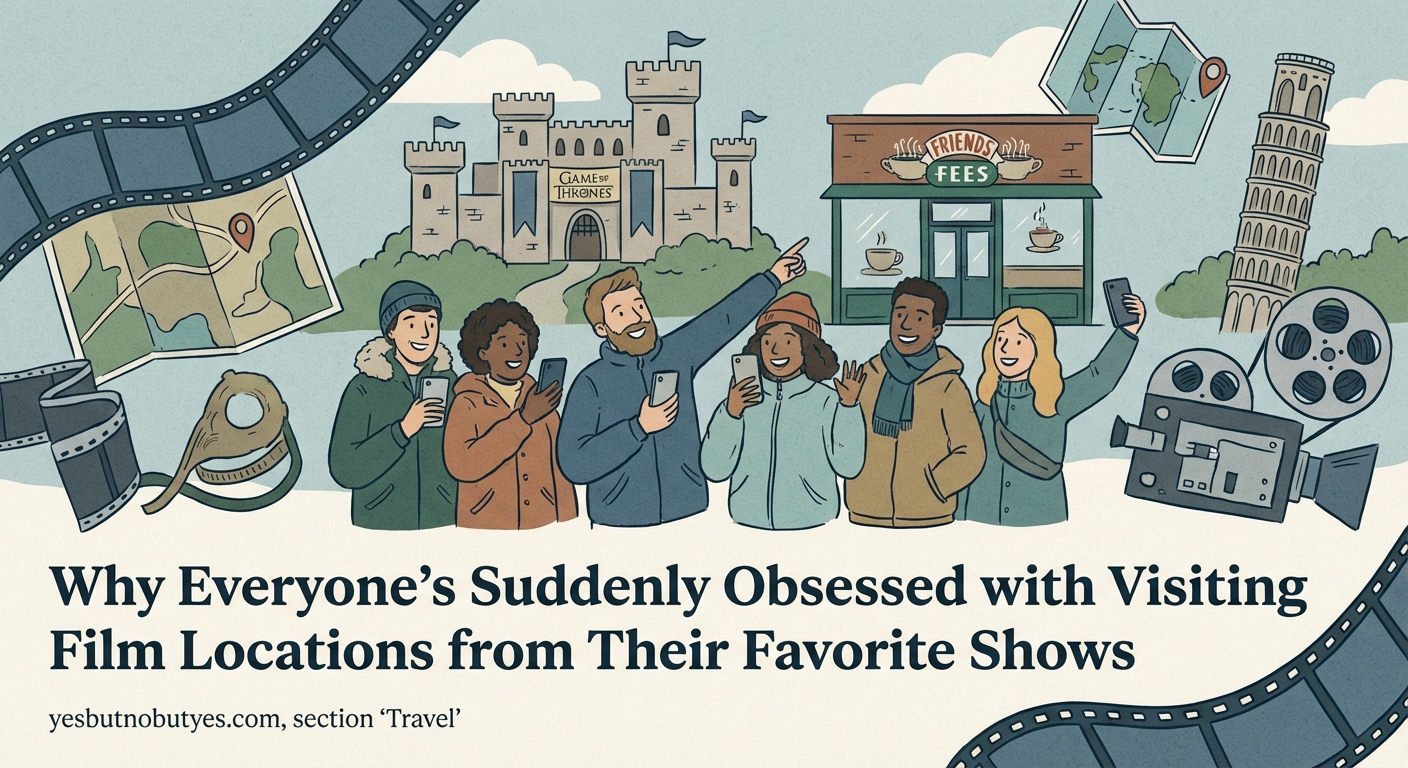
Showing up is just the start. Fans have turned location visits into elaborate experiences.
Many recreate specific scenes. They wear similar outfits, strike the same poses, and time their visits for matching lighting. A woman in Seoul might spend an hour getting the perfect shot on the “Squid Game” staircase, cycling through different angles until it matches Episode 3 exactly.
Guided tours have become sophisticated operations. In Ireland, “Game of Thrones” tours don’t just show you where scenes were filmed. They provide costumes, props, and behind-the-scenes stories from crew members. You’re not just seeing the Dark Hedges. You’re experiencing the Kingsroad.
Some destinations have built entire economies around single shows:
| Location | Show/Film | Annual Visitors | Economic Impact |
|---|---|---|---|
| Dubrovnik, Croatia | Game of Thrones | 1.3 million | €400 million |
| Matamata, New Zealand | Lord of the Rings | 600,000 | NZ$200 million |
| Albuquerque, USA | Breaking Bad | 300,000 | $300 million |
| Salzburg, Austria | The Sound of Music | 450,000 | €150 million |
These aren’t casual day-trippers. They’re dedicated travelers building entire vacations around filming locations, staying in local hotels, eating at local restaurants, and buying merchandise.
The Practical Steps to Planning a Film Tourism Trip
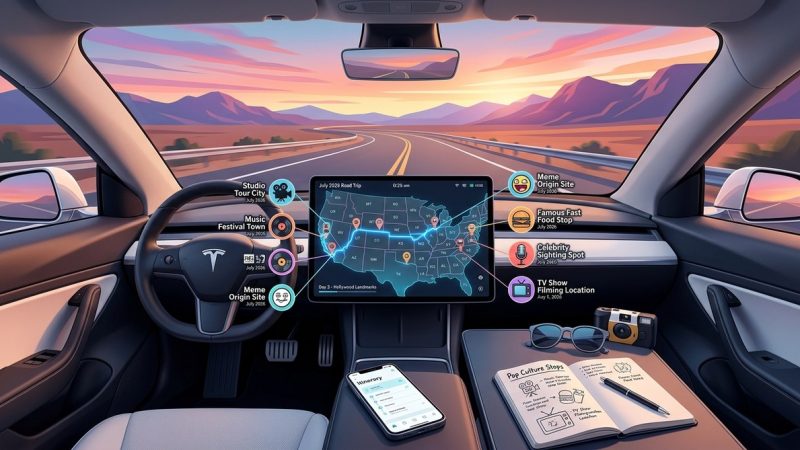
Ready to visit your favorite show’s locations? Here’s how to do it right.
-
Identify exact filming locations first. IMDb lists some, but fan wikis and location blogs are more detailed. “The Worldwide Guide to Movie Locations” and Atlas of Wonders catalog thousands of spots with GPS coordinates.
-
Check accessibility and permissions. Some locations are on private property or require advance booking. The “Harry Potter” viaduct in Scotland is visible from public areas, but you need timing to catch the Jacobite steam train crossing it.
-
Time your visit strategically. Dubrovnik in August is a nightmare of cruise ship crowds and “Game of Thrones” tour groups. May or September offers better weather and fewer people.
-
Book specialized tours when available. Local guides know filming stories, best photo angles, and which scenes happened where. They also handle logistics like transportation between scattered locations.
-
Prepare for reality versus expectation. CGI changes things. Winterfell’s courtyard is much smaller in person. The “Friends” fountain isn’t in New York at all (it’s on a Warner Bros. lot in California).
-
Respect local communities. That brownstone from your favorite show is someone’s actual home. Don’t block driveways, ring doorbells, or treat neighborhoods like theme parks.
Why Some Destinations Love This and Others Don’t
Not every location welcomes film tourists with open arms.
Small towns can get overwhelmed fast. Hallstatt, Austria became Instagram famous partly due to its fairytale appearance in various productions. The village of 800 residents now sees 10,000 daily visitors in peak season. Residents have begged tourists to stop clogging streets and flying drones into their windows.
The village implemented a bus tour limit and asked visitors to stop posting so many photos online. It didn’t work. The more “hidden gem” a place seems, the more people want to find it.
Contrast that with cities built for tourism. Paris handles “Emily in Paris” fans easily because it already managed millions of annual visitors. Adding a few thousand more people looking for specific cafes barely registers.
“Film tourism works best when there’s infrastructure to support it. A beautiful location without hotels, restaurants, or transportation becomes a problem for everyone involved. The sweet spot is places that can absorb visitors without losing what made them special on screen.” (Tourism researcher Dr. Stefan Roesch)
Some destinations actively court productions for this reason. Scotland offers tax incentives and location support, knowing that “Outlander” fans will follow. Tourism agencies now pitch their regions to production companies like they’re competing for the Olympics.
The Economics Behind the Boom
Film tourism generates serious money, but not always where you’d expect.
Direct spending at locations is obvious. Tour fees, entrance tickets, merchandise. A “Breaking Bad” RV tour in Albuquerque costs $75 per person and runs multiple times daily year-round.
Indirect spending matters more. Visitors need places to sleep, eat, and shop. They rent cars, take taxis, buy groceries. A three-day “Game of Thrones” trip to Northern Ireland might include a $50 tour but $800 in hotels, meals, and transportation.
Tourism boards have caught on. VisitBritain launched a “Set Jetting” campaign specifically targeting film and TV tourists. New Zealand rebranded itself as “Middle-earth” and hasn’t looked back. These aren’t small marketing line items. They’re core strategies driving millions in annual revenue.
The ripple effects extend further. Local businesses near filming locations see sustained boosts. The coffee shop near the “Notting Hill” blue door has been packed for 25 years. The owners didn’t choose that. A location scout did.
Common Mistakes Film Tourists Make
Even experienced travelers mess this up. Here’s what to avoid:
-
Assuming filming locations are open to the public. Many require tickets, reservations, or aren’t accessible at all. The “Breaking Bad” house is a private residence where the owner is tired of people throwing pizzas on the roof.
-
Visiting without research. That castle from “Outlander” might be closed Tuesdays or under renovation. Check ahead.
-
Ignoring seasonal changes. Iceland looks nothing like “Game of Thrones” in summer versus winter. If you want the North of the Wall aesthetic, don’t go in July.
-
Overpacking the itinerary. “Game of Thrones” filmed across four countries and dozens of locations. You can’t see them all in a week without spending more time traveling than actually enjoying places.
-
Expecting everything to look exactly like the show. Editing, lighting, and CGI create magic that reality can’t match. The disappointment is real when you realize how much smaller or different locations appear in person.
-
Forgetting the actual destination. Dubrovnik existed before “Game of Thrones” and has incredible history beyond the show. Don’t miss the real culture chasing fictional moments.
How This Trend Keeps Evolving
Film tourism isn’t slowing down. It’s getting more sophisticated.
Virtual reality previews let you “visit” locations before booking trips. Apps overlay scenes onto real locations using augmented reality. Point your phone at the Spanish Steps, and you can watch the “Emily in Paris” scene play out in front of you.
Productions are getting smarter about partnerships. “The White Lotus” Season 2 worked directly with Sicilian tourism boards during filming. By the time it aired, tours, hotel packages, and experiences were already available.
Destinations are also creating permanent attractions. Warner Bros. Studio Tour in London brings “Harry Potter” locations to visitors instead of sending millions to Scotland. It’s more sustainable and controlled, though arguably less authentic.
The next frontier is interactive experiences. Instead of just visiting the “Succession” locations, imagine staying in Logan Roy’s penthouse (it’s a real apartment that occasionally lists on luxury rental sites for $25,000 per month). That’s already happening for fans with deep pockets.
When Filming Locations Become More Famous Than the Show
Sometimes the tail wags the dog.
The “Sound of Music” came out in 1965. Salzburg still runs multiple daily tours. Most visitors are under 40 and never saw the movie in theaters. They know the locations from Instagram, TikTok, or parents who visited on their own film tourism trips.
The locations have become destinations independent of the source material. You don’t need to love “Lord of the Rings” to appreciate Hobbiton’s craftsmanship and beauty. You don’t need to watch “Breaking Bad” to enjoy Albuquerque’s desert landscapes.
This creates staying power. Even if “Game of Thrones” fades from cultural memory, Dubrovnik’s walls and Icelandic waterfalls will still draw visitors. The show served as an introduction, not the entire relationship.
Smart destinations use film tourism as a gateway to deeper engagement. Come for the “Outlander” locations, stay for the whisky distilleries and Highland culture. Come for “Emily in Paris,” stay for actual Parisian museums and cuisine.
Your Screen Time Becomes Your Next Destination
The film tourism trend isn’t a fad. It’s a fundamental shift in how people discover and choose travel destinations.
Your favorite show’s locations are more accessible than ever. The tools to find them, plan visits, and share experiences have never been better. Whether you’re recreating a scene from “Bridgerton” in Bath or hiking to a “Lord of the Rings” vista in New Zealand, you’re part of a global movement connecting screens to real-world experiences.
Start with one location from a show you love. Research it properly, respect the local community, and give yourself time to enjoy both the filming connection and the destination’s own merits. You might find that the real place is even better than what you saw on screen.