10 Internet Trends From 2010 That Would Flop Today
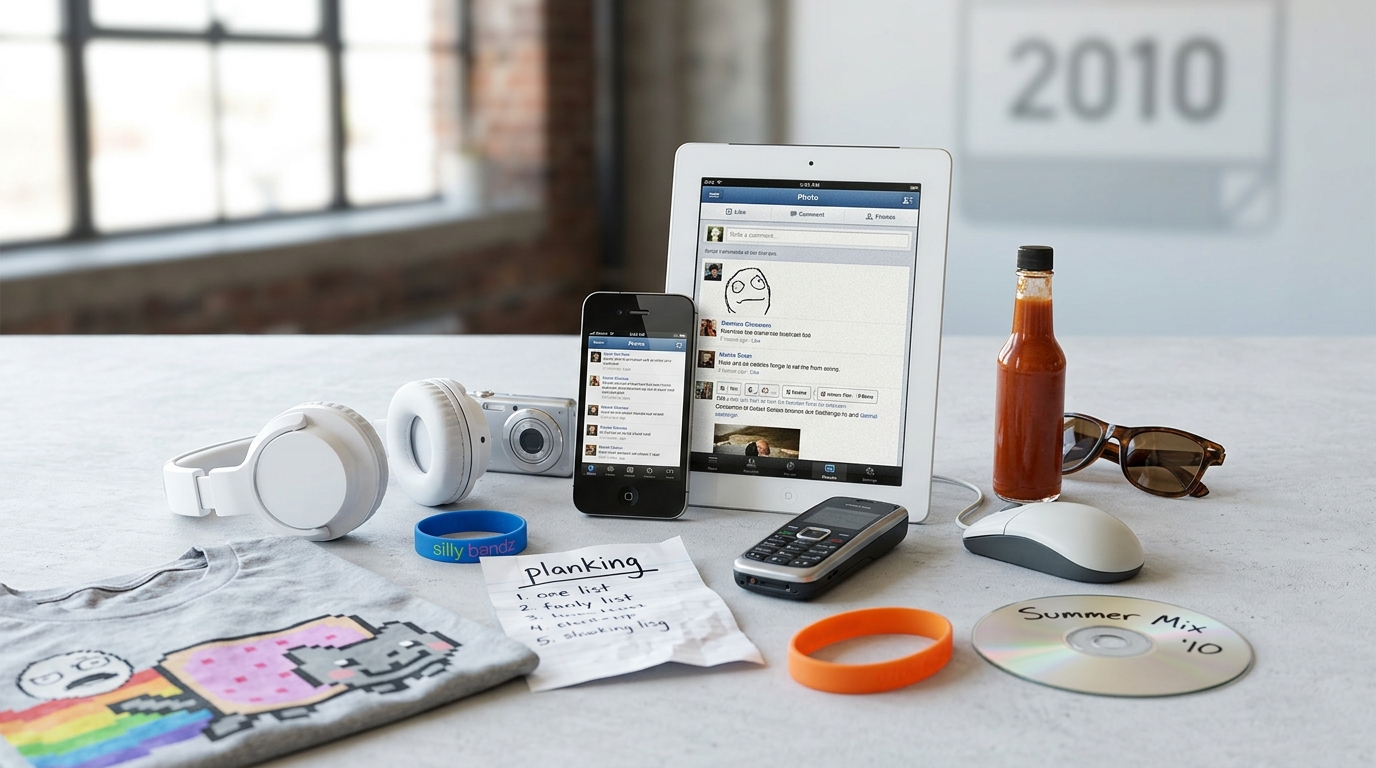
The early 2010s internet was a different beast. We didn’t have TikTok, Instagram was just getting started, and Twitter was still figuring out what it wanted to be. Yet somehow, we managed to create some of the most memorable, ridiculous, and genuinely influential internet trends from 2010s that shaped how we communicate online today. These weren’t just passing fads. They were cultural moments that brought millions of people together, even if we were all doing something completely absurd.
The internet trends from 2010s created a blueprint for viral content that still influences social media today. From planking to the Ice Bucket Challenge, these movements combined simple concepts, social sharing, and genuine human connection to create moments that transcended the digital world. Understanding these trends helps explain why certain content goes viral and how online communities form around shared experiences.
The Rise of Viral Challenges That Actually Mattered
The Ice Bucket Challenge dominated summer 2014 for good reason. People dumped freezing water over their heads, nominated friends to do the same, and raised over $115 million for ALS research. The formula was perfect: easy to participate, fun to watch, and tied to a meaningful cause.
But it wasn’t the first challenge to take over our feeds. The Harlem Shake had already proven that absurdist humor could unite the internet. The format was simple. Start with one person dancing alone, then cut to everyone going wild. Schools filmed them. Office workers filmed them. Even military personnel got in on it.
These challenges worked because they lowered the barrier to entry. You didn’t need special skills or equipment. Just a camera and willingness to look silly. The social pressure to participate was real, but it felt fun rather than forced.
“The best viral trends give people a template to express themselves while still feeling part of something bigger. The 2010s perfected this balance between individual creativity and collective participation.” – Social Media Researcher, 2015
Meme Formats That Changed How We Communicate
Rage comics might look primitive now, but they taught an entire generation how to communicate through images. The format was rigid: stick figures with exaggerated expressions telling relatable stories. Yet within those constraints, people created thousands of variations.
The “Y U NO” guy, “Forever Alone,” and “Troll Face” became a visual language. You could convey complex emotions and situations without typing a single word. This laid the groundwork for how we use memes today, even if the art style has evolved.
Image macros took this concept further. Impact font on a picture. Top text, bottom text. Done. The simplicity was the point. Anyone could make one in minutes, and the best ones spread like wildfire across Facebook and Reddit.
Why These Formats Lasted
The staying power of 2010s meme formats came from their flexibility. You could adapt them to any situation, any topic, any audience. A good meme template was like a blank canvas that came with built-in context.
The “Distracted Boyfriend” meme didn’t emerge until 2017, but it followed the same principles established earlier in the decade. Clear roles, relatable situation, infinite applications. The format mattered more than the specific content.
Social Media Platforms Finding Their Voice
Instagram launched in 2010 with one simple feature: square photos with filters. That constraint forced creativity. People learned to compose shots differently, to think about how Valencia or X-Pro II would change the mood.
The rise of Instagram influencers happened gradually, then suddenly. Regular people built followings by posting consistent, aesthetically pleasing content. Brands noticed. Sponsorships followed. An entire economy emerged around perfectly curated feeds.
Meanwhile, Twitter was becoming the place for real-time reactions. Live-tweeting TV shows became a cultural phenomenon. Awards shows, sports events, and canceled TV shows that deserved way more seasons all got the Twitter treatment. The platform turned passive watching into active participation.
| Platform | Key 2010s Feature | Cultural Impact |
|---|---|---|
| Filters and square format | Created influencer economy | |
| Live-tweeting | Made TV watching social | |
| Vine | 6-second videos | Launched creator careers |
| Tumblr | Reblogging culture | Built niche communities |
| Subreddit communities | Organized internet subcultures |
The Vine Era and Short-Form Video
Vine gave us six seconds to be funny, creative, or memorable. That limitation sparked incredible innovation. Creators learned to set up jokes, deliver punchlines, and add visual gags in the time it takes to sneeze.
The app launched in 2013 and died in 2017, but its influence lives on. Many of today’s top content creators got their start on Vine. The platform proved that short-form video could be compelling, profitable, and culturally significant.
“Do it for the Vine” became a rallying cry for increasingly ridiculous stunts. Some were harmless fun. Others were genuinely dangerous. The platform struggled to moderate content while maintaining the spontaneity that made it special.
How to Spot Internet Trends Before They Peak
Understanding the lifecycle of internet trends from 2010s reveals patterns that still apply today. Here’s how trends typically evolved during that era:
-
Niche communities create something new. Early adopters on Reddit, Tumblr, or 4chan experiment with a format or challenge.
-
Cross-platform sharing begins. Content gets screenshotted and shared to Twitter or Facebook, reaching wider audiences.
-
Mainstream media coverage hits. News outlets write “What is this thing the kids are doing?” articles, accelerating spread.
-
Peak saturation arrives. Everyone from your coworkers to your parents participates. The trend reaches maximum visibility.
-
Backlash and parody emerge. People mock the trend, create ironic versions, or declare it dead.
-
Nostalgic revival happens. Years later, the trend gets remembered fondly as part of internet history.
Viral Videos That Defined the Decade
“Gangnam Style” wasn’t just a song. It was a global phenomenon that proved YouTube could launch international superstars. The video hit one billion views in December 2012, a milestone that seemed impossible at the time.
The success formula combined catchy music, memorable choreography, and genuine weirdness. PSY’s horse-riding dance became instantly recognizable. Celebrities filmed themselves doing it. Flash mobs performed it. The song transcended language barriers through pure visual appeal.
“Charlie Bit My Finger” showed that viral success didn’t require production value. A 56-second clip of a baby biting his brother’s finger became one of the most-watched videos ever. The authenticity was the appeal. Real reactions, real family moment, real internet gold.
These videos proved that the most rewatchable movie scenes that never get old weren’t just found in Hollywood productions. Sometimes the most memorable content came from everyday people with a camera.
Fashion and Aesthetic Movements Online
Hipster culture peaked in the early 2010s, driven largely by Instagram aesthetics. Mason jar drinks, vintage filters, artisanal everything. The movement was simultaneously celebrated and mocked, but its influence on visual culture was undeniable.
Normcore emerged as a reaction, embracing intentionally boring clothes and anti-fashion statements. The irony was that trying to look normal became its own distinctive style. Fashion blogs and Tumblr accounts documented every variation.
The decade also saw the rise of “outfit of the day” posts, haul videos, and fashion influencers who built careers by sharing their style. Fast fashion brands adapted by creating Instagram-friendly pieces designed to photograph well.
Music Discovery and Sharing Culture
SoundCloud rappers became a legitimate path to mainstream success. Artists uploaded tracks directly to fans, bypassing traditional industry gatekeepers. The platform’s comment system let listeners react to specific moments, creating a communal listening experience.
Spotify’s arrival in the US in 2011 changed how we discovered music. Playlists replaced albums as the primary listening format. Sharing songs became as easy as sending a link. The “Spotify Wrapped” annual recap turned listening habits into shareable content.
YouTube continued dominating music video views, but now artists optimized for the platform. Lyric videos, behind-the-scenes content, and acoustic versions gave fans more ways to engage. The line between music and content blurred.
Internet Slang That Entered Real Life
“Bae,” “on fleek,” and “Netflix and chill” all emerged from internet culture and crossed into everyday speech. These phrases started in specific online communities before spreading through social media.
The speed of slang evolution accelerated. A term could go from niche usage to mainstream recognition to overused cliché in months. By the time brands tried using trending phrases, they were often already outdated.
Acronyms like “FOMO,” “TBT,” and “YOLO” became so common that people forgot they stood for anything. They were just words now, part of the language. The internet’s influence on how we communicate had become undeniable.
Understanding why we laugh at things that shouldn’t be funny helps explain why certain internet phrases caught on despite seeming nonsensical at first.
The Evolution of Online Communities
Subreddits became homes for increasingly specific interests. There was a community for everything, from broad topics to incredibly niche hobbies. The upvote system created a self-curating content experience.
Facebook groups evolved from casual friend circles to organized communities around shared interests. Some grew to hundreds of thousands of members, creating their own internal cultures, jokes, and hierarchies.
Tumblr fandoms reached peak intensity during this era. The platform’s reblogging feature let communities build on each other’s content, creating elaborate fan theories, artwork, and discussions. The passion was real, even if outsiders didn’t understand it.
Content Creation Becomes a Career
The idea of being a “YouTuber” or “influencer” went from joke to legitimate profession. Early creators monetized through ads, sponsorships, and merchandise. The most successful built media empires.
Patreon launched in 2013, giving creators a way to earn directly from fans. The platform proved people would pay for content they valued, even when free alternatives existed. The creator economy was born.
Beauty gurus, gaming streamers, and lifestyle vloggers all found audiences willing to support their work. The barrier between creator and consumer dissolved. Fans felt personal connections to people they’d never met.
Common Mistakes People Make Remembering This Era
Many people misremember when specific trends peaked or which platforms they originated on. The timeline gets fuzzy because everything moved so fast. A trend that felt like it lasted years might have only dominated for months.
Nostalgia also glosses over the problematic aspects. Some viral trends were harmful, invasive, or based on mockery. The internet of the early 2010s wasn’t always kind, even if we remember it fondly.
The biggest misconception is that these trends were meaningless. They shaped how we communicate, create content, and build communities online. The internet trends from 2010s established patterns we still follow today.
- Viral challenges created templates for social media campaigns
- Meme formats taught visual communication shortcuts
- Short-form video proved attention spans weren’t dead, just different
- Influencer culture changed advertising and marketing forever
- Online communities became as meaningful as physical ones
Looking Back at What We Created Together
The internet trends from 2010s weren’t just about silly videos and weird challenges. They represented millions of people figuring out how to connect in new ways. We were learning the language of social media, testing what worked, and building the foundations for today’s online culture.
These trends brought joy during tough times. They created shared experiences across continents. They launched careers, raised money for causes, and made us laugh until we cried. The internet of the 2010s was messy, creative, and undeniably human. We were all figuring it out together, one viral moment at a time. Those memories aren’t just nostalgia. They’re proof that we built something meaningful, even when we were just trying to have fun.