Embarrassing Party Games Are Trending and My Friends Won’t Recover
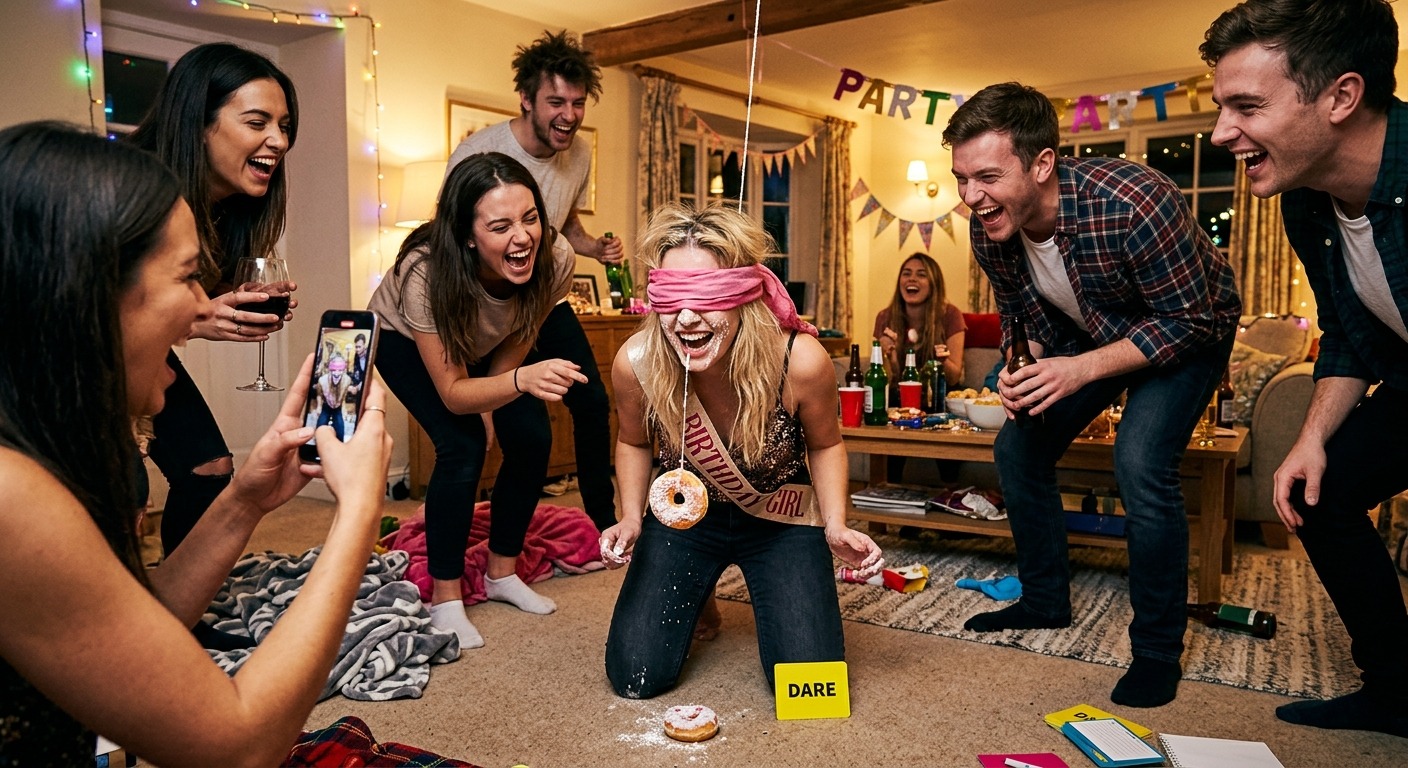
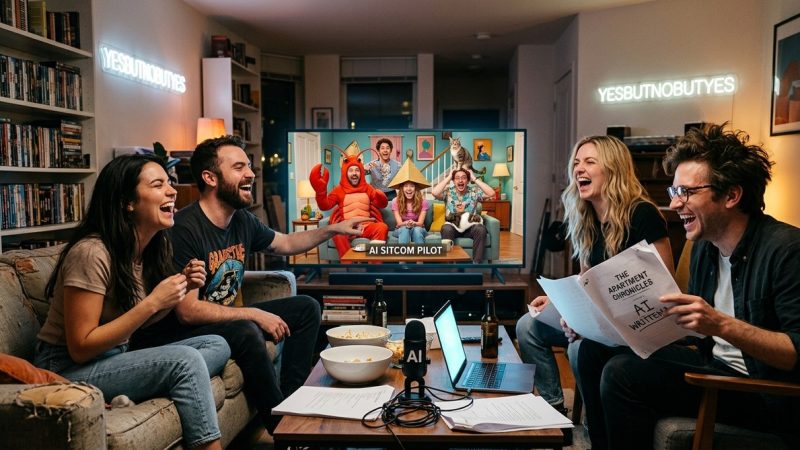
The last party I hosted ended with one of my close friends crawling under the dining table. Not because anything went wrong. Because we were playing a game that made her reveal something about her texting habits so unhinged that she needed approximately forty-five seconds to emotionally process it before she could look anyone in the eye again. The rest of us were completely losing it. That is the ideal Saturday night outcome.
This is not a one-off situation. There has been a genuine shift in how people in their mid-to-late twenties hang out now. Group situations that used to involve six people staring at six separate phones now involve those same six people staring at each other in various states of barely-contained horror. Cringe-forward party games, the kind that force oversharing and produce exactly the chaos nobody expected, have been quietly replacing passive entertainment as the default group activity. TikTok is entirely responsible for the current wave.
Your friend group is about to go through something, and that is genuinely a great sign for your social life.
- Cringe-forward party games are trending because they create shared, unmistakably human moments that passive entertainment simply cannot manufacture.
- TikTok clips of friend groups spiraling mid-game are fueling curiosity and pushing people to buy or download whatever caused the chaos they just watched.
- The best options require no expensive setup, no large group, and no particular skills , just a willingness to be slightly mortified in front of people you trust.
The Group Chat Has Moved to the Living Room Floor
There has been a quiet but real pivot happening in the hangout habits of people in their mid-twenties to early thirties. People who used to gather around a TV or scroll in companionable silence are now actively looking for activities that require actual participation. Not the structured kind where you commit to a two-hour rulebook. The chaotic kind. The kind where someone confesses something mid-round and the whole table goes completely silent for a beat before absolutely erupting.
This is not nostalgia for childhood game nights. It has a different texture entirely. It is the deliberate seeking-out of social friction. The kind that makes a hangout memorable rather than just fine. Group outings that produce zero awkward moments are forgettable. The ones that produce at least one “I genuinely cannot believe you just said that” moment get referenced for years.
There is also a post-isolation hangover still running in the background for a lot of people. After spending an extended stretch away from regular social life, many rediscovered how much they actually like being in the same room as their friends. Just existing in parallel while something plays in the background does not quite scratch that itch anymore. People want the hang to actually mean something beyond showing up.
Why TikTok Keeps Serving Up Friend Groups in Absolute Chaos
The content formula makes complete sense once you watch a few clips. Someone sets up a camera. The group starts playing. Within fifteen minutes, at least one person is laughing too hard to speak and at least one other person is clearly regretting their decision to participate. The comments fill up instantly with “this is my exact friend group” and “I am sending this to the chat right now.”
The virality is not really about the game mechanics themselves. It is about the specific, very recognizable energy of a friend group being pushed into uncomfortable honesty together. That energy is relatable in a way that is hard to fake. You watch a clip and immediately map it onto your own people. You know exactly who would spiral first. You know who would try to maintain composure and spectacularly fail. That identification is what makes people share it, and then immediately want to recreate it at their own next hangout.
The algorithm rewards this content heavily because it generates strong, sustained engagement. Reaction videos, “we tried this” follow-up posts, duets from other groups showing their own versions. The loop feeds itself. A single viral clip can send thousands of viewers scrambling to find the exact game that caused all the damage.
Games That Are Worth Every Awkward Moment
There are a handful of formats circulating right now that keep coming up in TikTok comments and group chats alike. Each one has a slightly different flavor of chaos, but they all deliver on the same core promise: everyone at the table leaves knowing something new about each other that they did not expect to learn that night.
- Prompt-based oversharing cards: These give each player a statement to complete or a question to answer honestly. The format sounds manageable. The actual content of the prompts is not. Clever question design pulls out things people did not even realize they wanted to admit out loud until they were already saying it.
- Ranking games with live commentary: Players rank a set of options privately, then reveal their answers simultaneously. The rankings themselves are rarely the issue. Defending your rankings to increasingly horrified friends is where it all falls apart completely.
- Binary choice formats turned deeply weird: Standard “this or that” frameworks get uncomfortable fast when the options expose genuine personal preferences nobody at the table anticipated. Silence is not an accepted answer.
- Playing a genuinely funny & embarrassing game sounds like easy marketing language, but this one earned the description completely. It made everyone at my table question their life choices within four rounds, in the best way. Someone stared at the ceiling. Someone put their head down and refused to look up for a full minute. It is the exact kind of night that becomes a permanent reference point for your friend group going forward.
- Anonymous write-and-reveal formats: Everyone writes an answer secretly, all answers are then read aloud without attribution, and the group tries to guess who said what. The guessing round is somehow more chaotic than the original answers ever are.
Why Embarrassing Yourself Together Actually Builds Closer Friendships
There is a real mechanism behind why these games produce closer friendships rather than just awkward memories. Shared vulnerability creates bonding. When everyone in a room takes a turn being the person who overshared, no single person carries the embarrassment alone. It becomes collective. Something that belongs to all of you.
Laughter plays a major role in this. Research into how laughter functions as a social mechanism shows it works similarly to physical contact in terms of triggering bonding responses between people. A group laughing together is a group whose nervous systems are briefly synchronized. The science around laughter and social bonding points to this as one of the reasons human groups have used humor and shared play as a connective tool across cultures for a very long time. It is not incidental. It is structural.
Cringe-forward games engineer that laughter on purpose. The discomfort is not a side effect. It is the actual mechanism. When you are forced to say something embarrassing in a safe, playful context and the room laughs with you rather than at you, something small but real shifts in the dynamic. The friendship gets a little more honest. A little more durable.
This is also partly why these formats land differently from party games built around competition or trivia. Nobody goes home feeling like they lost. Everyone goes home with three new pieces of information about their friends that they absolutely did not have before the night started. That is genuinely valuable, even when the information is completely absurd and borderline unhinged.
Running the Night Without Losing Your Group Chat Status
The main thing that makes these games actually work is collective buy-in. One person who refuses to engage will kill the energy for the whole table. The good news is that these formats tend to be self-propelling once they get started. Even the most reluctant players usually get pulled in by round two without any encouragement.
Timing matters more than most people realize. Mid-night works far better than forcing a game as the opening activity. Let the group warm up first. Have food out. Let conversations settle into their natural rhythm before introducing anything with rules. Frame it as “let’s try this for a few rounds” rather than a commitment. Nobody is agreeing to a two-hour session. They are agreeing to play until it gets boring, which with the right game takes a surprisingly long time.
Group size also shapes the entire experience significantly. Four to eight people is the sweet spot for most of these formats. Too few and every revelation feels intensely personal in a way that can get heavy fast. Too many and half the table cannot hear what was just said. The medium-sized group is where chaos stays contained enough to be fun rather than overwhelming.
The Cringe Your Friendship Quietly Needed All Along
The TikTok trend is real, but it is pointing at something larger happening underneath. People are genuinely tired of low-effort hangouts that produce nothing memorable. The willingness to be slightly embarrassed in front of people you trust is actually a form of intimacy. These games just build a convenient, low-stakes bridge directly to it.
Your friends are going to cringe. Someone is going to say something that becomes a group chat reference for the next six months. At least one person will insist they are not playing and then end up the most invested person at the table by round three. Someone will try to explain their answer and make it ten times worse in the process. All of that is the point.
The awkward moments are not the price of admission. They are the whole product. Bring snacks, clear the table, put your phones face-down for one actual evening, and let the chaos do exactly what it is designed to do.