Amazon Finds Under $30 That Feel Like They Were Made Just for Millennials and Gen Z

Shopping on Amazon with a strict budget doesn’t mean settling for junk. The sweet spot between cheap and cheerful lives right around the $30 mark, where you can snag genuinely useful stuff without the guilt that comes with bigger purchases. Whether you’re hunting for a birthday gift, treating yourself after a rough week, or just scrolling at 2 AM because sleep is a myth, this price range offers surprisingly solid options that won’t make your bank account cry.
Amazon’s under $30 category is packed with highly rated products that punch above their price point. From tech accessories and home organization tools to self-care items and kitchen gadgets, these affordable finds combine solid reviews, practical functionality, and trend-worthy appeal. Smart shopping in this range means checking star ratings, reading recent reviews, and focusing on items with thousands of verified purchases that prove their value beyond the initial hype.
Why the $30 Price Point Actually Matters
Thirty dollars sits in a psychological sweet spot. It’s low enough that you won’t lose sleep over the purchase, but high enough that products at this level usually have decent build quality and features.
Most impulse purchases happen below this threshold. You see something, you want it, you buy it. The regret factor drops significantly when you’re not dropping triple digits on a whim.
This price range also makes gift-giving way less stressful. You can show someone you care without the awkward “you spent too much” conversation or the equally awkward “this feels cheap” vibe.
How to Actually Find Good Stuff in This Range

The process matters more than you’d think. Random scrolling leads to cart abandonment and buyer’s remorse.
- Start with a category or problem you’re trying to solve, not just browsing.
- Filter by customer ratings (4 stars minimum) and sort by number of reviews.
- Read the three-star reviews first because they tell you the real pros and cons.
- Check the date on recent reviews to make sure quality hasn’t dropped.
- Look for “Amazon’s Choice” or high repeat purchase rates in the Q&A section.
This method cuts through the noise. You’re not just buying what looks cool in a product photo. You’re getting stuff that real people actually use and recommend.
Categories That Shine at This Price
Some product types just work better at the $30 mark than others.
Tech accessories dominate this space. Phone cases, charging cables, portable chargers, and Bluetooth speakers all live comfortably here. The quality gap between a $25 charger and a $60 one often comes down to brand name rather than actual performance.
Kitchen gadgets are another winner. Vegetable choppers, coffee frothers, silicone baking mats, and herb scissors all deliver way more value than their price tags suggest. If you’ve been watching cooking videos and thinking “I could do that,” these tools make it actually possible.
Organization solutions transform chaotic spaces without requiring a complete overhaul. Drawer dividers, closet organizers, cable management boxes, and under-sink storage racks all cost less than a decent brunch but make your space feel infinitely more adult.
Self-care items at this price include face masks, aromatherapy diffusers, jade rollers, and bath bombs that rival expensive spa products. The ingredients and effectiveness often match pricier options, minus the luxury packaging markup.
What to Watch Out For
Not everything under $30 deserves your money. Some red flags scream “skip this.”
Products with only five-star reviews often feel fake. Real products have some criticism. If everyone loves something unconditionally, the reviews might be incentivized or outright purchased.
Brands you’ve never heard of aren’t automatically bad, but check if they have other products with established review histories. One-hit wonders sometimes disappear, taking customer service with them.
Shipping times matter more than you think. If something takes six weeks to arrive from overseas, that $18 price tag loses its appeal when you forget what you even ordered.
| Good Sign | Warning Sign |
|---|---|
| Thousands of reviews across multiple years | Only recent reviews from the past month |
| Mix of 3, 4, and 5-star ratings | All 5-star or suspiciously similar wording |
| Detailed customer photos showing real use | Only stock photos in reviews |
| Active seller response to questions | No Q&A section or unanswered questions |
| Clear return policy stated | Vague or missing return information |
Viral Products That Actually Deliver
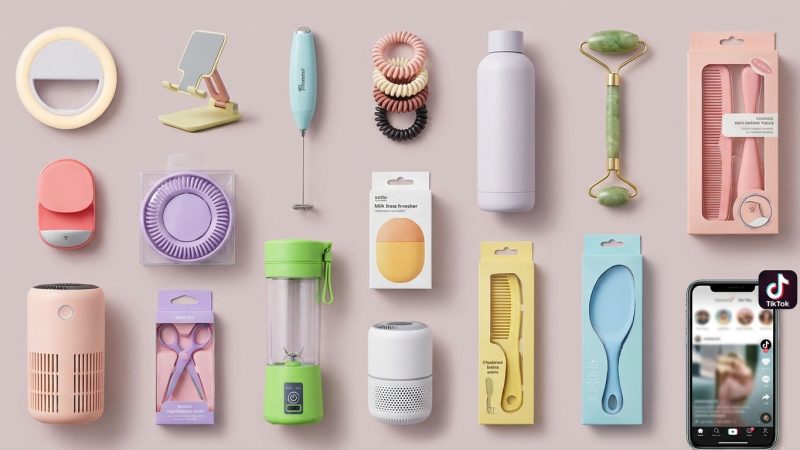
TikTok and Instagram have turned random Amazon items into cultural phenomena. Some deserve the hype.
The pink stuff cleaning paste became internet famous for good reason. It tackles stains that other cleaners give up on, costs around $6, and one tub lasts forever. People post before-and-after photos that look photoshopped but aren’t.
Reusable silicone storage bags replaced plastic bags for tons of people trying to be slightly less terrible to the planet. They’re dishwasher safe, don’t leak, and pay for themselves after a few uses.
LED strip lights transformed boring rooms into mood-lit spaces for under $20. College students and remote workers both discovered that proper lighting makes video calls and late-night study sessions way more bearable. Similar to 7 viral tech gadgets that actually live up to the hype, these items prove that affordability and quality can coexist.
“The best budget buy is something you’ll actually use repeatedly, not something that sits in a drawer making you feel guilty. If it solves a real problem in your daily routine, it’s worth every penny of that $30 or less.”
Hidden Gems Most People Miss
Beyond the viral sensations, some products fly under the radar despite being genuinely great.
Microfiber hair towels dry hair faster and cause less damage than regular towels. They cost around $10 for a two-pack and hairstylists recommend them constantly, yet most people still use bath towels and wonder why their hair is frizzy.
Silicone pot holders handle way higher heat than fabric ones, don’t stain, and last for years. They’re like $12 for a set but somehow everyone still burns themselves with thin fabric squares.
Drawer organizers specifically designed for makeup or office supplies cost less than $15 but make you feel like you have your life together. The psychological boost of opening a drawer and actually finding what you need is underrated.
Gifting Without the Guesswork
Finding presents for people is exhausting. This price range makes it manageable.
For the friend who’s always cold, a wearable blanket hoodie costs around $25 and gets used constantly. It’s specific enough to show thought but practical enough to actually matter.
Coffee lovers appreciate a milk frother that makes their home brew feel fancy. It’s $15, takes up minimal space, and turns regular coffee into something Instagram-worthy.
Plant parents need self-watering stakes or a moisture meter. Both cost under $20 and prevent the sad cycle of overwatering or neglect that kills houseplants. Just like the best gifts for people who are obsessed with their favorite TV shows, the key is matching the gift to someone’s actual interests.
Seasonal Finds Worth Grabbing
Certain times of year make specific products more valuable.
Summer brings portable fans, cooling towels, and insulated water bottles. A $20 desk fan with a clip can make a non-air-conditioned apartment survivable.
Winter means heated blankets, humidifiers, and SAD lamps. Seasonal affective disorder is real, and a $30 light therapy lamp beats suffering through dark months.
Back-to-school season offers deals on organization supplies and tech accessories. Even if you’re not in school, September sales make it the perfect time to upgrade your desk setup.
The Sustainability Angle
Cheap doesn’t have to mean wasteful. Some affordable options actually reduce long-term waste.
Reusable produce bags cost about $10 for a set and eliminate hundreds of plastic bags over time. They’re machine washable and way sturdier than you’d expect.
Beeswax food wraps replace plastic wrap and cling film. A $15 set lasts a year or more with proper care, and they actually keep food fresh longer than disposable options.
Stainless steel straws with cleaning brushes solve the “I want to be eco-friendly but paper straws are terrible” problem. They’re $8 for a set and don’t get soggy halfway through your drink.
Tech That Punches Above Its Weight
Budget tech used to mean garbage. Not anymore.
Wireless earbuds under $30 won’t match AirPods, but they work fine for podcasts, calls, and casual music listening. Battery life is solid, and losing one doesn’t trigger a financial crisis.
Phone camera lens attachments cost around $25 and genuinely improve photo quality. Macro lenses for close-ups and wide-angle lenses for group shots both deliver noticeable results.
Portable phone chargers with 10,000mAh capacity keep devices alive through long days. They’re roughly $20 and have saved countless people from the “my phone died” panic.
Home Upgrades That Feel Expensive
Small changes make spaces feel completely different without renovation costs.
Peel-and-stick tile backsplashes transform boring kitchens for under $30. They’re renter-friendly, removable, and look shockingly real in person.
Blackout curtain liners attach to existing curtains and cost about $15. They block light for better sleep without replacing all your window treatments.
Floating shelves hold books, plants, or decorative items and install in minutes. A set of three costs around $25 and adds storage plus visual interest to blank walls.
Food and Kitchen Wins
Cooking at home saves money, but the right tools make it actually enjoyable.
A good vegetable chopper processes onions, peppers, and other produce in seconds without tears or uneven pieces. It’s roughly $20 and makes meal prep way less tedious.
Silicone baking mats replace parchment paper and last for years. They’re about $12 for a two-pack and nothing sticks to them, which means less scrubbing and more eating.
An instant-read meat thermometer takes the guesswork out of cooking proteins. No more cutting into chicken to check if it’s done, no more overcooked steaks. It’s $15 well spent.
Personal Care That Actually Works
Drugstore prices don’t always mean drugstore quality anymore.
Jade rollers and gua sha tools reduce puffiness and feel amazing on tired faces. They’re around $10 and work just as well as $60 versions from fancy brands.
Silk or satin pillowcases prevent hair breakage and reduce face wrinkles from sleeping. A $20 pillowcase seems extra until you notice your hair looks better in the morning.
Electric callus removers are weirdly satisfying and way more effective than pumice stones. They’re about $25 and transform rough feet in one session.
Building a Cart Strategy
Random adding leads to overspending. A system helps.
Keep a running list of things you actually need rather than impulse adding. When something hits your price threshold or goes on sale, grab it then.
Use the “save for later” feature liberally. If you still want something after a week, it’s probably worth buying. If you forgot about it, you didn’t need it.
Check for coupon codes before checkout. Browser extensions find them automatically, and saving even $3 on a $25 purchase feels like winning.
When to Spend More Instead
Sometimes $30 isn’t enough, and that’s okay to admit.
Shoes need proper support and durability. Cheap shoes cause foot problems and fall apart fast, making them more expensive long-term.
Mattresses and pillows directly impact sleep quality and health. Skimping here leads to pain and exhaustion that no amount of coffee fixes.
Safety equipment like bike helmets, car seats, or smoke detectors should always prioritize function over price. Your life is worth more than saving $20.
Making the Most of What You Buy
Buying smart is half the battle. Using stuff properly is the other half.
Read the instructions even when they seem obvious. Lots of products have care requirements that extend their life significantly.
Register products when possible. Warranties matter, and some brands offer replacements or repairs that save money down the road.
Leave honest reviews after a few weeks of use. Future shoppers benefit from real feedback, and some sellers offer perks for detailed reviews.
Your $30 Goes Further Than You Think
Amazon’s budget-friendly range proves that smart shopping beats big spending every time. The difference between wasting money and making solid purchases comes down to research, patience, and knowing what actually matters to you.
These finds work because they solve real problems without requiring you to choose between paying rent and buying the things that make daily life easier. Whether you’re upgrading your space, treating yourself, or finding the perfect gift, that $30 threshold offers more quality than ever before. Start with one category that actually improves your routine, read those reviews, and watch how small purchases add up to big improvements in how you live.