Every Marvel Post-Credits Scene Ranked From Worst to Best
The Marvel Cinematic Universe turned post credits scenes into an art form. What started as a fun Easter egg in Iron Man became a franchise staple that keeps millions of people glued to their seats while theater staff awkwardly sweep around them. Some of these scenes changed the entire trajectory of the MCU. Others made us wonder why we didn’t just head straight to the parking lot.
Marvel post credits scenes ranked reveal massive differences in quality and impact. The best scenes set up entire phases of storytelling while the worst ones waste your time with forgettable jokes. Understanding which scenes matter helps you decide when to stay seated and when to beat the traffic. This guide breaks down what makes a stinger scene work, which ones delivered on their promises, and which ones fell completely flat.
What Makes a Great Post Credits Scene
Not all stingers are created equal. The best ones balance multiple elements that make them memorable years after you first watched them.
A great post credits scene needs to justify the wait. You just sat through 10 minutes of names scrolling by. The payoff better be worth it.
The top tier scenes accomplish at least one of these goals:
- Set up a major future storyline that gets fans theorizing
- Deliver a character moment that adds depth to what you just watched
- Land a joke so perfectly timed that the entire theater erupts
- Reveal a cameo that changes everything you thought you knew
- Create a genuine emotional beat that resonates long after
The worst scenes feel like afterthoughts. They waste time on gags that don’t land or tease storylines that never materialize.
How to Evaluate Post Credits Quality
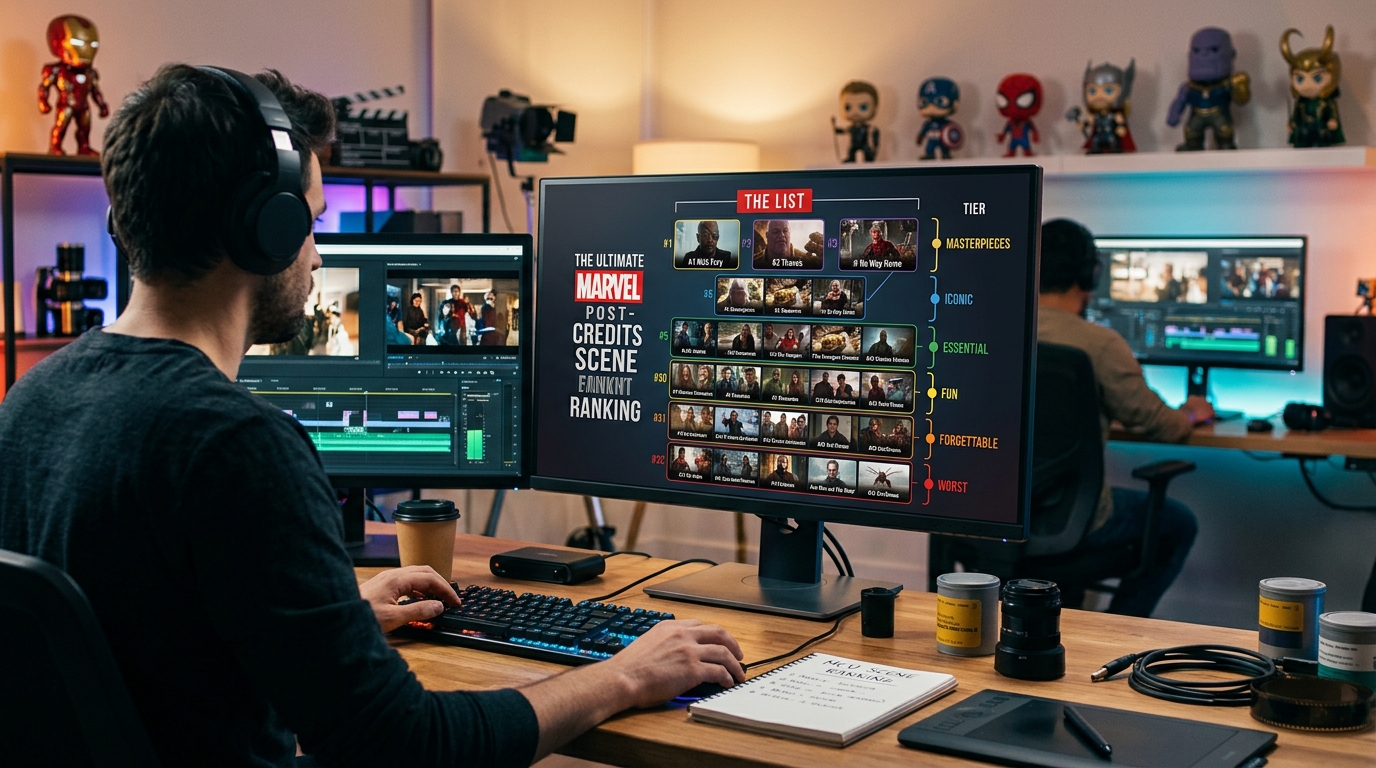
Ranking marvel post credits scenes ranked requires a consistent framework. Here’s the process for determining which stingers earn their place at the top.
- Measure the immediate audience reaction when the scene first dropped in theaters
- Assess whether the scene delivered on its promise in future films
- Evaluate if the scene works as a standalone moment or requires extensive MCU knowledge
- Consider the entertainment value on rewatches after you know how the story unfolds
- Determine if the scene added genuine value or just served as empty fan service
The best post credits scenes create a perfect storm of anticipation, payoff, and rewatchability. They work in the moment and gain new meaning as the franchise evolves. The worst ones feel dated within months.
The Anatomy of MCU Stinger Success
Marvel Studios refined the post credits formula over 30+ films. Certain patterns separate the memorable from the forgettable.
| Element | What Works | What Fails |
|---|---|---|
| Timing | Appears at the perfect moment to maximize impact | Feels rushed or comes too late after a long credit roll |
| Setup | Plants seeds for stories 2-3 years out | Teases plotlines that get abandoned or contradicted |
| Tone | Matches or cleverly subverts the film you just watched | Clashes jarringly with the movie’s emotional ending |
| Accessibility | Rewards hardcore fans while remaining entertaining for casual viewers | Requires a PhD in MCU lore to understand what’s happening |
The technical execution matters too. Lighting, music choices, and editing can elevate a simple scene into something iconic. Compare the moody atmosphere of Thanos turning to camera versus the flat staging of some of the weaker entries.
Mid Credits vs End Credits Strategy
Marvel typically includes two scenes per film. One appears mid credits, the other at the very end. The placement tells you something about the scene’s importance.
Mid credits scenes usually carry more narrative weight. They set up the next big thing or deliver a crucial plot point. The studio knows fewer people will stay for the very end, so they front load the important stuff.
End credits scenes often go for comedy or smaller character moments. These work as rewards for the dedicated fans who stick around. Sometimes they’re throwaways, sometimes they’re gems.
The strategy shifted over the years. Early MCU films treated post credits scenes as fun bonuses. Later phases made them essential viewing that directly connected to the next chapter.
Why Some Scenes Age Poorly
Time hasn’t been kind to every stinger. Several factors contribute to a scene losing its impact.
Broken promises hurt the most. When a scene teases something amazing that never happens, it retroactively becomes frustrating. Fans invested emotional energy into anticipation that went nowhere.
Cultural shifts play a role too. Jokes that landed in 2013 might feel tired or tone deaf now. The MCU’s sense of humor evolved, making some early attempts at comedy feel clunky.
Overexposure kills rewatchability. Scenes that got dissected frame by frame in thousands of YouTube videos lose their magic. You can’t recapture that first viewing when you’ve seen the moment analyzed from 50 different angles.
The Rewatch Factor
The truly great post credits scenes hold up on multiple viewings. They gain new layers of meaning once you know how the story unfolds.
Some scenes work better in retrospect. Details you missed the first time become obvious. Foreshadowing you didn’t catch suddenly makes perfect sense. The best stingers reward close attention and MCU knowledge.
Other scenes peak on first viewing. The surprise factor drives the entire experience. Once you know what’s coming, the scene loses most of its power. These often rank lower despite generating huge buzz initially.
The most rewatchable movie scenes share certain qualities with the best post credits moments. They balance surprise with substance, giving you something new to appreciate each time.
Common Mistakes in Stinger Execution
Even Marvel stumbles sometimes. Certain patterns show up in the weakest post credits scenes.
Trying too hard to be funny often backfires. Comedy needs room to breathe. Forcing a joke into a 30 second scene rarely works. The pacing feels off and the punchline lands with a thud.
Overcomplicated setups confuse more than they intrigue. If you need a flow chart to understand what’s happening, the scene failed. Simplicity often proves more effective than elaborate mythology dumps.
Misreading audience expectations creates disappointment. Fans show up with certain hopes based on rumors and marketing. When the actual scene delivers something completely different, the reaction can turn negative even if the scene itself is well made.
How Rankings Change Over Time
Initial reactions don’t always match long term assessments. The passage of time and subsequent films reshape how we view earlier stingers.
Scenes that seemed pointless gain significance when later movies provide context. A throwaway moment becomes crucial foreshadowing. Rankings shift upward as appreciation grows.
The opposite happens too. Scenes that generated massive hype deflate when the promised storyline disappoints. The stinger itself didn’t change, but our relationship to it did.
Fan consensus evolves through discussion and debate. Online communities hash out which scenes truly matter. Individual opinions coalesce into broader agreement about the top tier and bottom tier entries.
The Standalone vs Connected Debate
Should post credits scenes work independently or require franchise knowledge? Marvel walks a tightrope between accessibility and rewarding dedicated fans.
The best scenes manage both. They entertain casual viewers while packing extra meaning for people who’ve seen every film. That balance proves difficult to achieve consistently.
Some stingers alienate newcomers by assuming too much knowledge. Inside jokes fall flat if you don’t get the reference. Character appearances mean nothing if you don’t know who they are.
Other scenes play it too safe, offering nothing substantial to longtime fans. Generic teasers that could apply to any future film feel lazy. The hardcore audience wants specifics, not vague promises.
Technical Excellence in Brief Moments
Great cinematography and sound design elevate post credits scenes from functional to memorable. These technical elements often get overlooked in discussions focused on plot and characters.
Lighting sets the mood instantly. Dark, shadowy scenes create menace and mystery. Bright, colorful moments signal comedy or hope. The visual language communicates tone before anyone speaks.
Music choices make or break emotional beats. The right score amplifies impact. The wrong one creates unintentional comedy or kills genuine drama.
Editing determines pacing and rhythm. Knowing when to cut, when to linger, and when to smash cut to a punchline separates amateur work from professional craft.
Why Fans Obsess Over These Scenes
Post credits scenes became a cultural phenomenon that extends far beyond their runtime. Understanding the psychology behind the obsession explains their importance to the MCU’s success.
They create community through shared experience. Everyone in the theater experiences the reveal together. That collective reaction bonds strangers into a temporary tribe of fans.
The scenes fuel speculation and conversation. Water cooler discussions and online forums light up with theories. Marvel weaponized fan engagement by giving people something to debate and analyze.
They reward loyalty and patience. Staying through the credits signals dedication. The scene becomes a badge of honor for true fans who know the drill.
Learning From the Failures
The worst post credits scenes teach valuable lessons about what not to do. Even Marvel’s missteps offer insights into effective storytelling.
Don’t waste the audience’s time with nothing burgers. If you’re going to make people wait, deliver something worthwhile. Empty scenes breed resentment.
Avoid relying solely on recognition factor. Showing a character or object means nothing without context or stakes. Cameos need purpose beyond “hey, remember this thing?”
Never promise what you can’t deliver. If your scene sets up a storyline, follow through. Abandoned plot threads make fans feel manipulated and disrespected.
The Evolution of Expectations
What worked in 2008 doesn’t necessarily work now. Audience sophistication grew alongside the MCU. Expectations evolved based on what came before.
Early scenes could get away with simple teases. Just showing Nick Fury was enough to get people excited. The novelty factor carried the moment.
Modern audiences demand more substance. They’ve seen dozens of these scenes. The bar keeps rising. What felt groundbreaking in Phase One seems quaint now.
The challenge for future MCU films involves finding fresh approaches. How do you surprise people who’ve been trained to expect surprises? Innovation becomes harder as the formula gets codified.
When to Skip the Credits
Not every post credits scene deserves your time. Sometimes beating the traffic makes more sense than waiting for a mediocre gag.
If you’re not invested in the larger MCU story, most stingers won’t mean much. Casual viewers can safely leave after the main film ends. You won’t miss anything crucial to understanding the movie you just watched.
Second viewings at home let you fast forward through credits. The scene loses its theatrical impact but you can still catch the content without the wait.
Online summaries appear within hours of release. Reading a description takes 30 seconds versus sitting through 10 minutes of names. Choose your own adventure based on how much you care.
Ranking Methodology Matters
Different ranking systems produce different results. Understanding the criteria helps you evaluate any list you encounter.
Some rankings prioritize importance to the overall MCU narrative. These put setup scenes at the top regardless of entertainment value. The focus stays on franchise building.
Other systems emphasize pure enjoyment and rewatchability. A hilarious throwaway scene might rank higher than a crucial but boring tease. Entertainment trumps significance.
Balanced approaches try weighing multiple factors. Impact, execution, rewatchability, and cultural influence all get considered. This creates more nuanced rankings but also more room for disagreement.
The Future of Post Credits Scenes
Marvel shows no signs of abandoning the stinger format. If anything, other studios copied the approach, making post credits scenes an industry standard.
The challenge involves maintaining freshness while meeting expectations. Fans want post credits scenes but also want to be surprised. Threading that needle gets harder each time.
Streaming changes the equation. Watching at home removes the communal theater experience. The scenes need to work in isolation, viewed on phones and laptops. That might influence how future stingers get conceived and executed.
New characters and storylines offer opportunities for innovation. The multiverse concept alone provides endless possibilities for creative post credits moments. The format has room to grow if Marvel stays willing to take risks.
Why These Rankings Matter to Fans
Debating marvel post credits scenes ranked might seem trivial, but these conversations serve important functions in fan culture.
Rankings create structure for discussing 30+ films worth of content. They give fans frameworks for comparing experiences across years of releases.
The debates themselves build community. Arguing about which scene deserves the top spot connects people who love these movies. Shared passion for the MCU finds expression through friendly disagreement.
Rankings also hold Marvel accountable. When fans collectively identify weak stingers, that feedback influences future creative decisions. The studio pays attention to what lands and what flops.
Making Peace With Imperfection
Not every post credits scene will blow your mind. That’s okay. The format allows for experimentation and risk taking. Some attempts succeed brilliantly. Others fall flat.
The misses make the hits feel more special. If every stinger was perfect, none would stand out. The variety in quality creates a spectrum that lets the truly great moments shine.
Appreciating the journey means accepting the bumps along the way. The MCU’s post credits legacy includes masterpieces and duds. Both contribute to the franchise’s identity and evolution.
Your Personal Ranking Matters Most
Official rankings and consensus opinions provide starting points, but your own experiences matter more. The scenes that resonated with you personally deserve top placement in your mental list.
Maybe you loved a stinger that critics dismissed. Maybe a universally praised scene left you cold. Both reactions are valid. Your relationship to these films is unique.
Rewatching the entire MCU lets you form fresh opinions. Scenes you forgot about might surprise you. Moments you remembered fondly might not hold up. Your rankings will shift as you do.
Staying for the Right Reasons
Post credits scenes work best when viewed as bonuses rather than obligations. The main film should stand alone. Stingers enhance the experience but shouldn’t be required viewing to understand the story.
The best approach involves managing expectations. Sometimes you’ll get something amazing. Sometimes you’ll get a forgettable gag. Either way, you made the choice to stick around.
Theater etiquette matters too. If you’re staying, stay quietly. Don’t ruin the moment for others by talking or checking your phone. Respect the communal experience even if the scene disappoints.
The Stinger Scene Legacy
Marvel transformed a filmmaking novelty into an essential franchise element. Post credits scenes became part of the MCU’s DNA, shaping how audiences engage with these films.
The impact extends beyond Marvel. Other franchises adopted the format with varying success. The post credits scene evolved from Easter egg to industry expectation.
Future film historians will study how these brief moments influenced blockbuster storytelling. The stinger scene represents a unique intersection of marketing, world building, and fan service that defined 21st century franchise filmmaking.
Why Some Scenes Become Iconic
Certain post credits moments transcend their films to become standalone cultural touchstones. These scenes get referenced, parodied, and remembered long after lesser stingers fade from memory.
Iconic status requires perfect execution across every element. The writing, performance, direction, and timing all align. Lightning in a bottle happens rarely, which makes it special when it does.
These moments also benefit from perfect placement in the MCU timeline. They arrived at exactly the right moment to maximize impact. Earlier or later, and they might not have resonated the same way.
Appreciating the Craft Behind the Scenes
Hundreds of people contribute to each post credits scene. Writers, directors, actors, cinematographers, editors, composers, and visual effects artists all play roles in the final product.
The best stingers showcase collaborative excellence. Every department elevates the material. The sum exceeds the parts because everyone brought their A game.
Recognizing the craft involved deepens appreciation for even the simpler scenes. What looks effortless on screen required careful planning and execution. The magic comes from making hard work look easy.
When Scenes Become Memes
Internet culture latched onto certain post credits moments, transforming them into meme templates and viral content. This digital afterlife extends the scenes’ cultural reach far beyond theaters.
Meme status brings mixed blessings. It keeps the scene in public consciousness but can reduce it to a punchline. The original context gets lost as the image spreads.
Some scenes were practically designed for meme potential. Marvel understands internet culture and occasionally crafts moments with shareability in mind. The line between organic virality and calculated marketing blurs.
The Scenes Worth Revisiting
If you’re planning an MCU rewatch, certain post credits scenes deserve extra attention. They contain details and foreshadowing that gain meaning with franchise knowledge.
Watch for subtle visual cues and background elements. Marvel plants Easter eggs within Easter eggs. The scenes reward close observation and multiple viewings.
Pay attention to dialogue that seemed throwaway at the time. Lines that felt like jokes might actually be crucial setup. The MCU plays the long game with its storytelling.
Bringing It All Together
Marvel post credits scenes ranked from best to worst reveal the franchise’s evolution and ambition. The format allowed Marvel to build a cinematic universe in ways traditional storytelling couldn’t achieve. The best scenes justified every second of waiting. The worst ones remind us that even Marvel stumbles occasionally. But the overall legacy remains impressive. These brief moments changed how audiences engage with blockbuster films and created a tradition that will likely outlast the current MCU roster. Whether you stay for every scene or skip them all, understanding what makes them work helps you appreciate the craft and strategy behind one of modern cinema’s most distinctive features. Next time you’re debating whether to head for the exits, you’ll know exactly what you might be missing.