How K-Pop Stans Became the Internet’s Most Powerful Activists
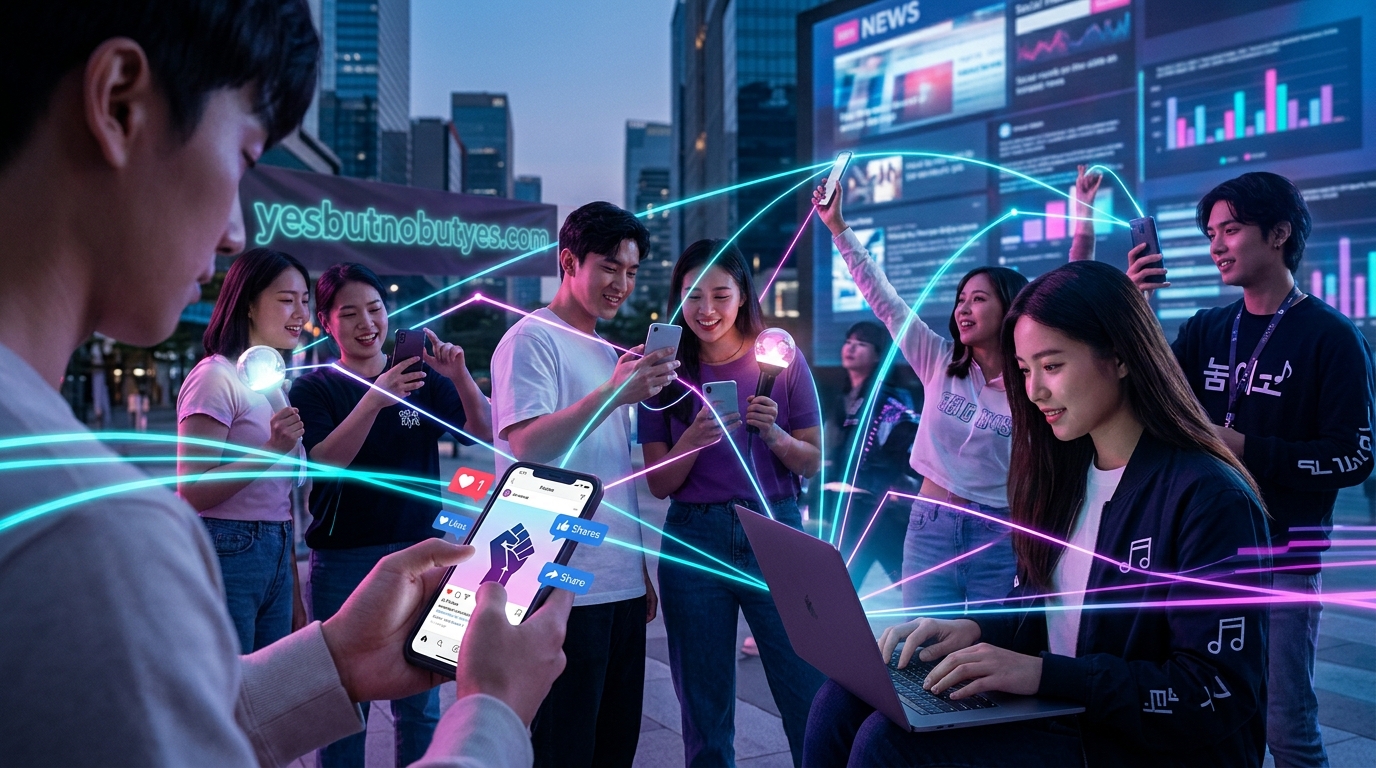
You probably know k-pop fans for breaking streaming records and crashing ticket sites. But over the past few years, they’ve become one of the most organized activist forces on the internet. These communities didn’t just stumble into political action. They adapted the same coordination skills they use to chart songs and turned them toward social justice causes, fundraising, and disrupting misinformation campaigns.
K-pop fans activism emerged from highly organized fandom practices like mass streaming and voting campaigns. These communities now coordinate fundraising drives, flood oppressive hashtags, crash police apps, and amplify marginalized voices using the same digital tactics that once dominated music charts. Their decentralized structure, global reach, and ability to mobilize thousands within hours make them uniquely powerful in modern digital activism.
From Streaming to Protesting
K-pop fandoms have always been organized. Fans coordinate across time zones to stream new releases, vote in awards shows, and trend hashtags. These activities require planning, communication, and mass participation.
The shift to activism wasn’t random. Many k-pop idols speak openly about social issues. BTS has addressed mental health and self-love. Other groups have supported LGBTQ+ rights and spoken against discrimination. Fans noticed. They started applying their organizational skills to causes that mattered.
In 2020, when the Dallas Police Department asked people to submit protest videos through an app, k-pop fans flooded it with fancams instead. The app crashed. Police couldn’t use it. That moment showed how quickly these communities could disrupt systems they disagreed with.
How K-Pop Fans Organize Campaigns
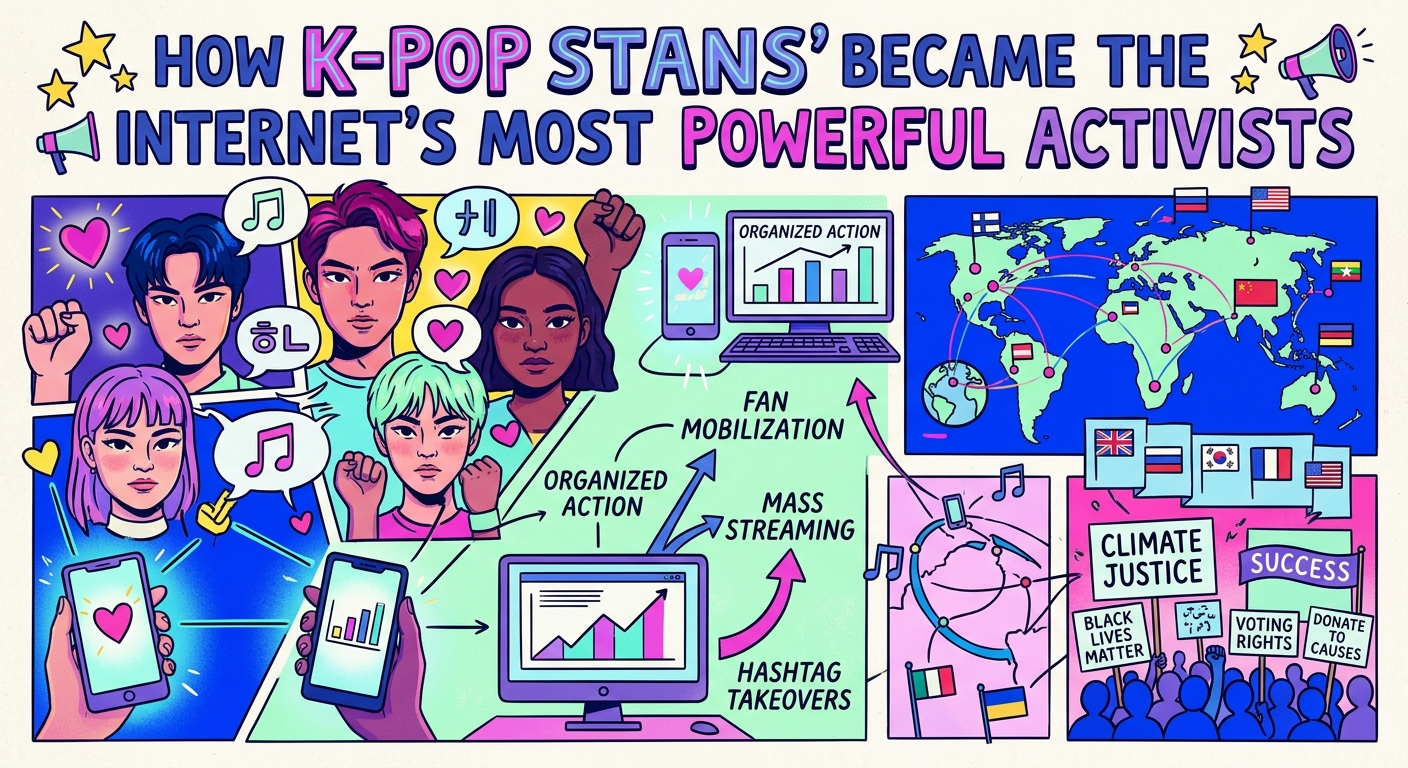
The coordination behind k-pop fans activism looks chaotic from the outside. But there’s structure underneath.
Here’s how a typical campaign unfolds:
- Someone identifies a cause or problem that needs attention.
- Fans create Google Docs, spreadsheets, or Discord channels to coordinate.
- They design graphics, write threads, and prepare hashtags.
- A specific time gets chosen for maximum impact.
- Thousands of fans post simultaneously, creating trending topics.
- The campaign spreads across Twitter, Instagram, TikTok, and other platforms.
This process mirrors how fans promote comebacks. The difference is the end goal. Instead of charting a song, they’re raising awareness or funds.
| Tactic | Music Promotion Use | Activism Use |
|---|---|---|
| Mass tweeting | Trend comeback hashtags | Flood oppressive hashtags |
| Coordinated timing | Release day streaming | Synchronized protest posting |
| Fundraising | Billboard ads for idols | Donations to bail funds and charities |
| Information threads | Comeback guides | Educational resources on issues |
| Multilingual content | Global fan engagement | Reaching international audiences |
Major Movements Led by K-Pop Fans
Several campaigns demonstrate the scale of k-pop fans activism.
Black Lives Matter Fundraising: After George Floyd’s murder, k-pop fans matched donations made by their favorite artists. BTS donated $1 million to Black Lives Matter. Within 24 hours, the fan group One In An ARMY matched that amount. Other fandoms followed. Millions of dollars flowed into racial justice organizations.
Hashtag Hijacking: When white supremacist groups tried to organize using specific hashtags, k-pop fans took them over. They posted fancams, concert clips, and photos of their favorite idols. The original content got buried. The hashtags became unusable for their intended purpose.
Voter Registration: During the 2020 U.S. election, fan accounts posted voter registration information alongside content about their favorite groups. They created guides in multiple languages. Registration numbers among young people increased.
LGBTQ+ Support: Many k-pop fans are part of LGBTQ+ communities themselves. They’ve organized against discriminatory legislation, supported pride events, and created safe spaces online. Some fandoms have raised money for LGBTQ+ youth organizations.
Why This Type of Activism Works
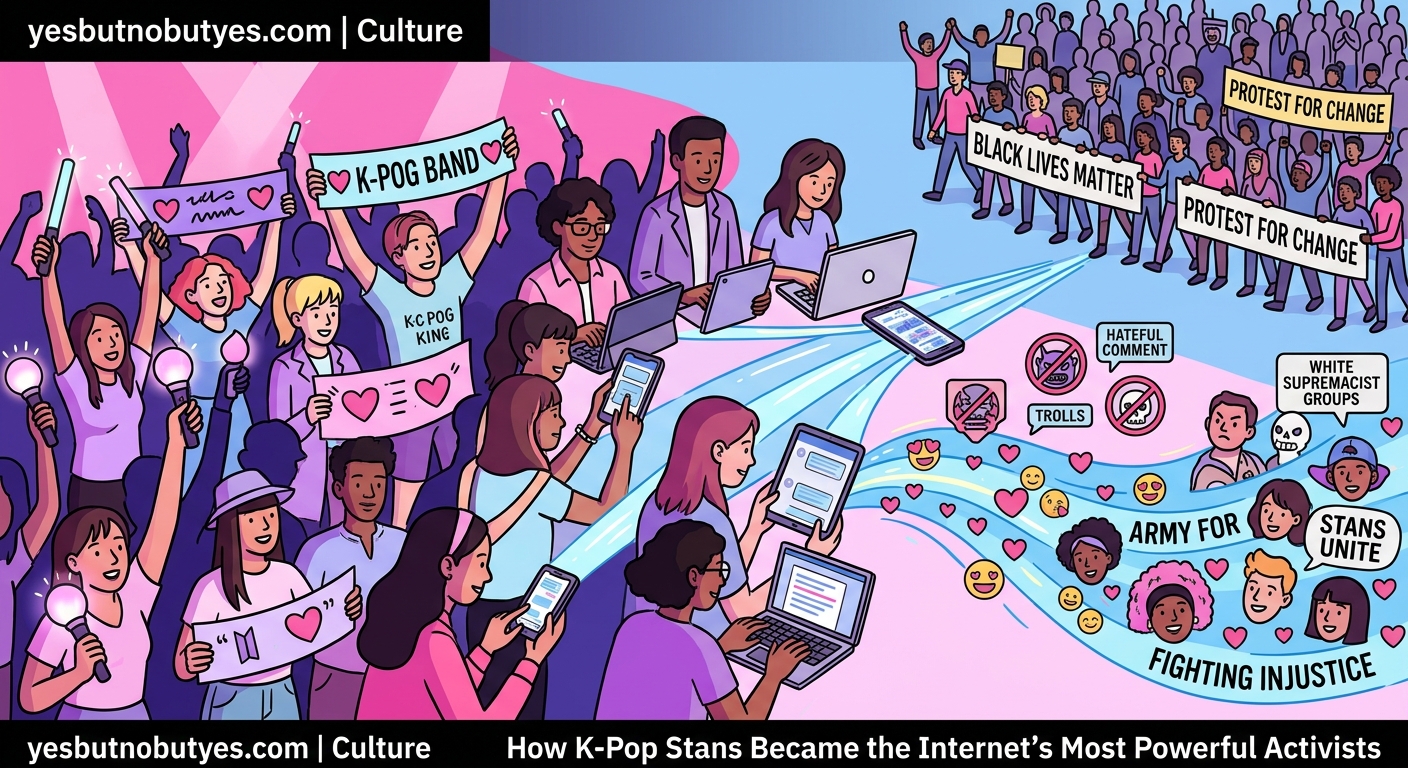
Several factors make k-pop fans activism effective.
Scale: Popular groups have millions of fans worldwide. Even if only a fraction participates, that’s still thousands of people acting together.
Speed: Fans are already online and connected. Information spreads through existing networks in minutes. A campaign can go from idea to execution in hours.
Diversity: K-pop fandoms span countries, languages, and cultures. This global reach means campaigns can target multiple regions simultaneously. It also means fans can translate content and adapt messages for different audiences.
Anonymity: Most fan accounts are pseudonymous. This protects individuals while allowing collective action. People can participate without risking their professional or personal reputations.
Experience: These communities have been organizing complex operations for years. They know how to coordinate large groups, create compelling content, and sustain momentum.
“K-pop fans have mastered the art of digital coordination. They understand algorithms, timing, and how to make noise. When they turn those skills toward activism, they become incredibly hard to ignore.” — Digital culture researcher
Common Mistakes and How to Avoid Them
Not every campaign succeeds. Some common problems include:
- Performative activism: Posting without donating or taking real action
- Talking over affected communities: Centering fan culture instead of the actual issue
- Burnout: Trying to support every cause without focus
- Misinformation: Sharing unverified information or fake donation links
- Coordination failures: Poor timing or conflicting messages
The most effective campaigns keep the focus on the cause, not the fandom. They verify information before sharing. They listen to people directly affected by the issues. They pick specific, achievable goals rather than trying to fix everything at once.
Similar to how internet trends from 2010 evolved and changed over time, k-pop fans activism continues adapting to new platforms and challenges.
Tools and Platforms Fans Use
K-pop fans activism relies on specific digital tools:
- Twitter: Primary platform for trending hashtags and coordinating mass actions
- Google Docs: Shared documents for campaign planning and resource lists
- Discord: Private servers for real-time coordination
- Instagram: Visual content and infographics
- TikTok: Short videos explaining issues or encouraging action
- Carrd: Simple websites compiling resources and donation links
- Linktree: Centralized link hubs for multiple resources
These tools are mostly free. That accessibility means anyone can participate regardless of budget.
Challenges and Criticism
K-pop fans activism faces legitimate criticism.
Some activists worry that fan involvement can trivialize serious issues. When fancams flood a hashtag about police violence, does that help or hurt? The answer depends on execution. If fans drown out important information, that’s harmful. If they redirect attention from hate groups, that’s useful.
There’s also concern about sustainability. Fandoms are passionate but can be fickle. A cause that trends today might be forgotten tomorrow. Long-term activism requires sustained effort, not just viral moments.
Another issue is accountability. Decentralized movements lack clear leadership. That makes them flexible but also means no one can speak for the entire group. Bad actors can claim to represent a fandom while doing harm.
The best fan activists acknowledge these problems. They work alongside established organizations rather than trying to replace them. They recognize that online action needs to connect to offline change.
What Makes K-Pop Fandoms Different
Other fan communities organize too. But k-pop fandoms have specific characteristics that amplify their activist potential.
Global by default: K-pop is international music. Fans expect to interact across borders. This makes coordinating worldwide campaigns feel natural.
Youth-driven: Most k-pop fans are young. They’re digital natives comfortable with multiple platforms. They’re also more likely to support progressive causes.
Practice makes perfect: These communities have been organizing for years. New fans learn tactics from experienced ones. Knowledge gets passed down and refined.
Idol influence: When k-pop artists speak about issues, fans pay attention. This creates a culture where social consciousness is valued, not mocked.
Community identity: Being part of a fandom provides belonging. That emotional connection motivates people to act collectively.
Lessons for Other Online Communities
K-pop fans activism offers a blueprint for digital organizing.
First, use existing networks. Don’t build from scratch when communities already exist. Meet people where they are.
Second, make participation easy. Provide templates, graphics, and clear instructions. Lower the barrier to entry.
Third, celebrate small wins. Trending a hashtag matters. So does raising $100. Acknowledge progress to maintain momentum.
Fourth, adapt constantly. Platforms change. Tactics that worked last year might not work now. Stay flexible.
Fifth, center the cause, not yourself. The goal is impact, not recognition. Check your ego and listen to affected communities.
Much like how viral tech gadgets succeed through word-of-mouth and community enthusiasm, activist campaigns gain power through genuine engagement rather than forced promotion.
The Future of Fan Activism
K-pop fans activism isn’t going anywhere. If anything, it’s expanding.
Younger fans are entering these spaces already politicized. They see activism as a normal part of fandom participation. Climate change, voting rights, and social justice aren’t separate from their fan identity. They’re integrated.
New platforms will create new opportunities. As social media evolves, fans will adapt their tactics. They’ll find ways to coordinate on whatever comes after Twitter and TikTok.
Other fandoms are watching and learning. Anime fans, gaming communities, and sports fans have started using similar tactics. The model is spreading beyond k-pop.
There are also growing pains ahead. As these movements become more visible, they’ll face more scrutiny and opposition. Platforms might crack down on coordinated behavior. Governments might try to limit this type of organizing.
But the core insight remains valuable. When people who already know how to work together decide to act politically, they can move fast and punch above their weight.
Why This Movement Keeps Growing
The power of k-pop fans activism comes from turning entertainment skills into political tools.
These aren’t professional organizers. They’re regular people who learned coordination by streaming songs and voting in awards shows. They built communities around shared love for music. Then they realized those communities could do more.
That realization keeps spreading. Every successful campaign inspires others. Every dollar raised or hashtag hijacked proves that collective action works. Young people see their peers making real impact and want to join.
The structure is already there. The networks exist. The skills are practiced. All that’s needed is a cause worth fighting for.
And there’s no shortage of those.
Whether you’re in a fandom or not, there’s something to learn here. Small, coordinated actions add up. Communities built around shared interests can redirect that energy toward change. You don’t need a huge budget or professional experience. You need people who care and are willing to work together.
K-pop fans proved that streaming parties and protest movements use the same muscles. They showed that passion for music can fuel passion for justice. Most importantly, they demonstrated that when young people organize online, they can shift conversations, raise millions, and disrupt systems that seemed untouchable.
That’s a lesson worth paying attention to, whether you know BTS from Blackpink or not.