Is Butter Coffee Actually Worth the Hype or Just Another Wellness Fad?
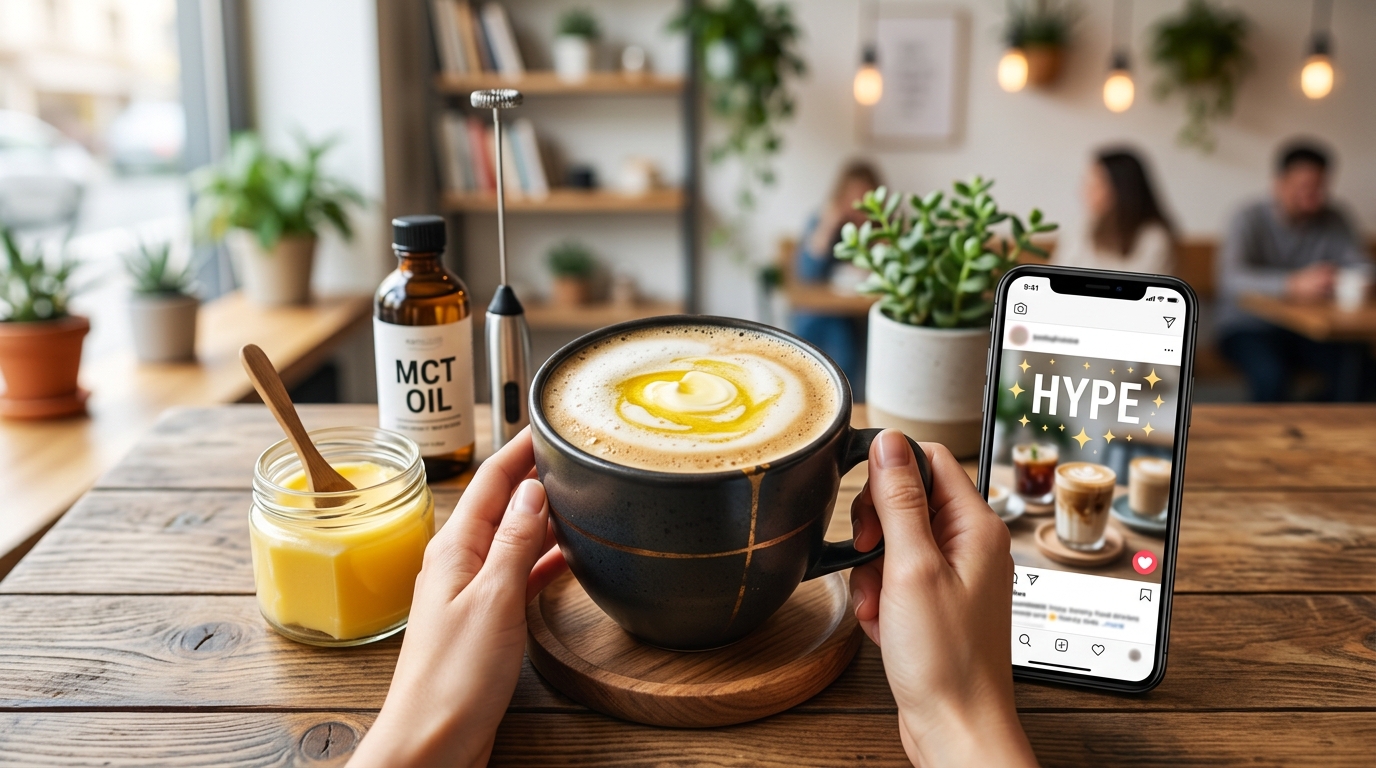
You’ve seen it all over your Instagram feed. That creamy, frothy coffee with a stick of butter blended right in. Maybe your keto friend swears by it, or that wellness influencer you follow claims it changed their life. But is butter coffee actually good for you, or is it just another internet trend that sounds way weirder than it should?
Butter coffee can provide sustained energy and mental clarity for some people, especially those on low-carb diets. However, it’s high in saturated fat and calories, lacks essential nutrients, and isn’t suitable for everyone. The health benefits depend entirely on your diet, lifestyle, and individual health goals. It’s not a magic solution, but it might work for you.
What exactly is butter coffee anyway
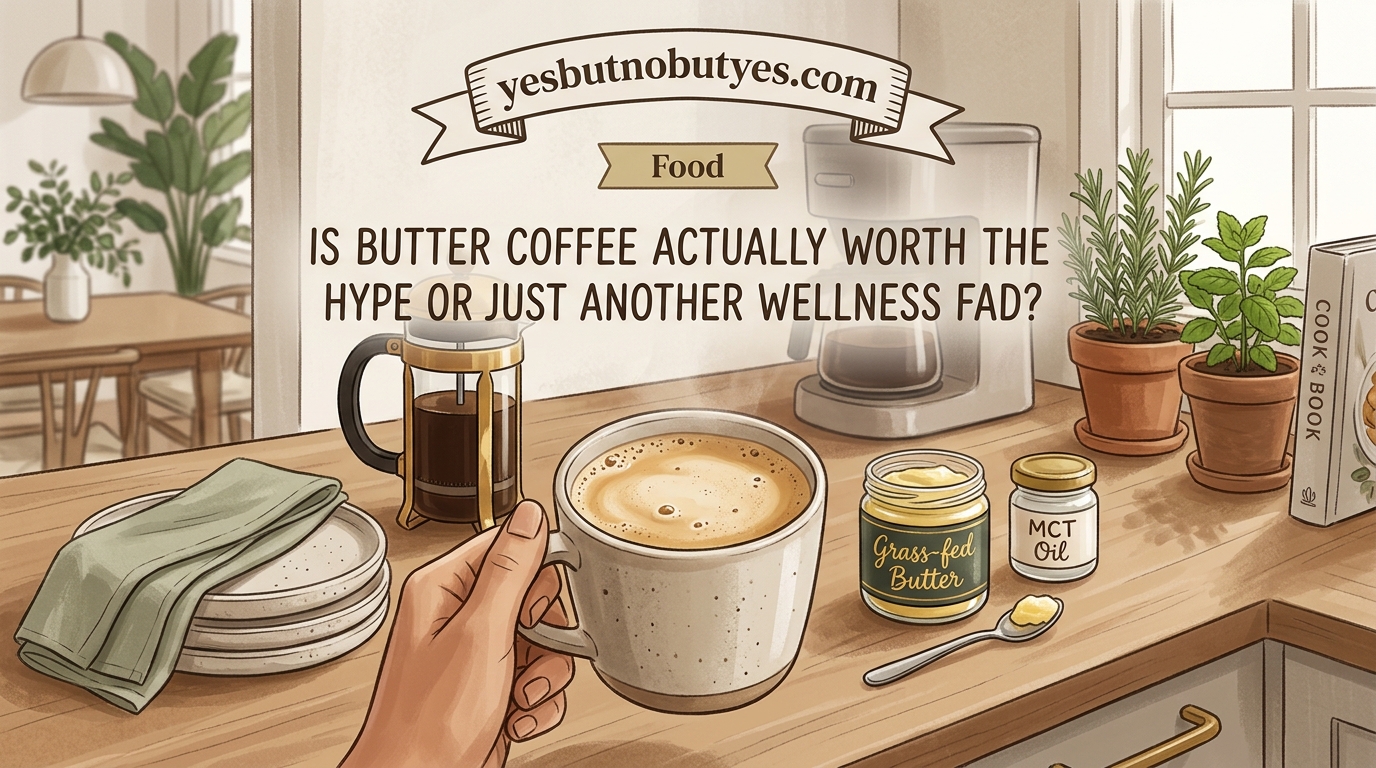
Butter coffee, also called Bulletproof coffee, is exactly what it sounds like. You blend hot coffee with grass-fed butter and MCT oil (or coconut oil). The result is a creamy, latte-like drink that’s supposed to keep you full and focused for hours.
The trend started with Dave Asprey, who claimed he discovered the recipe after trying yak butter tea in Tibet. He turned it into a whole brand and lifestyle movement. Now, everyone from Silicon Valley tech bros to CrossFit enthusiasts is blending butter into their morning brew.
The basic recipe is simple. Brew your coffee, add one to two tablespoons of grass-fed butter, add one to two tablespoons of MCT oil, then blend it all together until it’s frothy. The blending part is important because just stirring leaves you with an oily mess floating on top.
The supposed benefits that got everyone talking
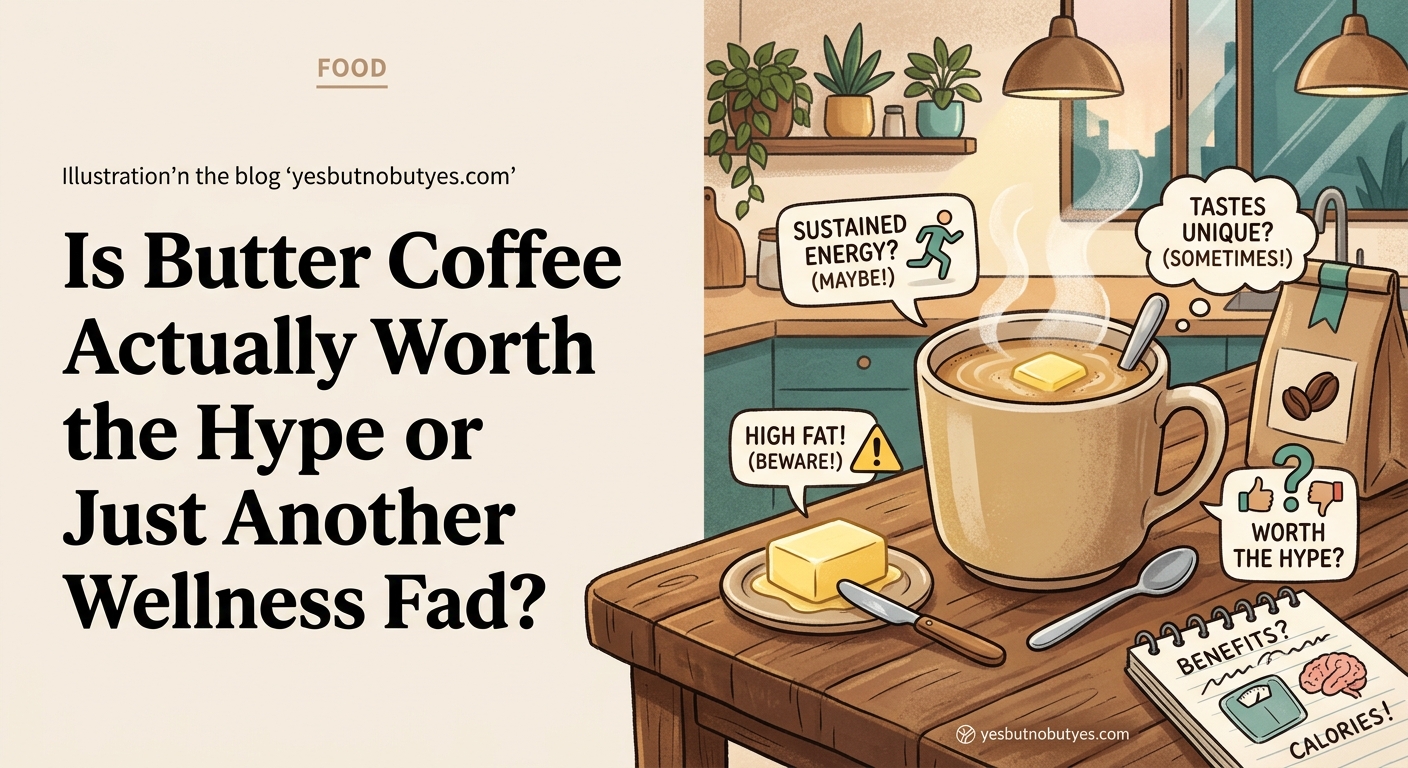
Supporters claim butter coffee does everything from boosting brain function to helping you lose weight. Let’s look at what they’re actually saying.
The main pitch is sustained energy without the crash. Because the fat slows down caffeine absorption, you get a more gradual energy release instead of the spike and crash from regular coffee.
Then there’s the appetite suppression angle. Fat is filling, so drinking a 400-calorie coffee in the morning might keep you satisfied until lunch. This is especially popular with intermittent fasting folks who want to extend their fasting window without feeling starved.
Mental clarity is another big claim. MCT oil converts to ketones, which your brain can use for fuel. Some people report better focus and concentration after drinking butter coffee.
For people on keto or low-carb diets, butter coffee fits perfectly into their macros. It’s high in fat, has zero carbs, and helps them stay in ketosis.
The science behind the saturated fat situation
Here’s where things get complicated. Butter coffee is loaded with saturated fat. A typical cup contains around 50 grams of fat, with about 30 grams being saturated.
For decades, we’ve been told saturated fat is bad for your heart. Recent research has made this picture more nuanced, but it hasn’t completely cleared saturated fat’s name either.
Some studies suggest that saturated fat from dairy might not be as harmful as previously thought. Other research still links high saturated fat intake to increased LDL cholesterol (the bad kind) and heart disease risk.
The type of butter matters too. Grass-fed butter contains more omega-3 fatty acids and vitamin K2 than conventional butter. But it’s still primarily saturated fat.
MCT oil is a different story. Medium-chain triglycerides are metabolized differently than other fats. They go straight to your liver and can be converted to ketones for energy. Some research shows MCT oil might help with weight management and cognitive function.
But here’s the thing. Just because MCT oil has benefits doesn’t mean you need to consume it in massive amounts mixed with butter.
Who might actually benefit from this trend
Butter coffee isn’t for everyone, but certain groups might find it helpful.
People following ketogenic diets often love butter coffee because it helps them hit their fat macros while staying in ketosis. The high fat content supports their dietary goals.
Intermittent fasting practitioners sometimes use butter coffee as a “fat fast” drink. Technically it breaks your fast, but some people find it helps them extend their fasting window more comfortably than eating solid food.
Athletes doing endurance training might benefit from the sustained energy release. The combination of caffeine and fat can fuel long workouts without causing digestive issues.
People who genuinely feel better drinking it should probably keep doing it. If you’ve tried butter coffee and notice improved focus, sustained energy, and no negative side effects, it might work for your body chemistry.
The downsides nobody wants to talk about
Let’s get real about the problems with butter coffee.
First, it’s a calorie bomb. One cup can easily contain 400 to 500 calories. If you’re drinking this thinking it’s just coffee, you’re basically having a full meal’s worth of calories.
It replaces an actual breakfast. Instead of eating eggs, vegetables, and whole grains that provide protein, fiber, and micronutrients, you’re drinking fat and caffeine. That’s nutritionally incomplete.
The saturated fat content is genuinely concerning for some people. If you have high cholesterol, heart disease risk factors, or a family history of cardiovascular issues, loading up on saturated fat every morning probably isn’t the best move.
It can mess with your digestion. MCT oil is known for causing digestive distress, especially when you first start using it. We’re talking stomach cramps, diarrhea, and general discomfort.
It’s expensive. Grass-fed butter and quality MCT oil aren’t cheap. You’re spending significantly more than you would on regular coffee.
Similar to how viral food hacks don’t always live up to their promises, butter coffee might not deliver the miracle results some influencers claim.
How to make butter coffee if you want to try it
If you’re determined to give this a shot, here’s how to do it properly.
- Start with quality coffee. Brew eight to twelve ounces of hot coffee using your preferred method.
- Add one tablespoon of grass-fed, unsalted butter. Don’t go overboard on your first try.
- Add one teaspoon of MCT oil. Seriously, start small with the MCT oil to avoid digestive issues.
- Blend everything in a blender for 20 to 30 seconds until it’s frothy and emulsified.
- Taste and adjust. You can gradually increase the amounts as your body adapts.
Never just stir butter into coffee. It won’t emulsify properly and you’ll end up with gross oil slicks floating on top. You need a blender or at least a milk frother.
Common mistakes people make with butter coffee
People mess this up in predictable ways. Here’s what to avoid.
| Mistake | Why It’s a Problem | Better Approach |
|---|---|---|
| Using regular butter instead of grass-fed | Lower nutrient quality, less omega-3s | Invest in grass-fed butter or skip it entirely |
| Adding too much MCT oil at first | Causes severe digestive distress | Start with one teaspoon and increase slowly |
| Drinking it in addition to breakfast | Doubles your morning calorie intake | Replace breakfast or reduce portions significantly |
| Using it as a weight loss shortcut | Creates calorie surplus, not deficit | Track total daily calories, not just one drink |
| Ignoring your cholesterol levels | Could worsen cardiovascular health | Get bloodwork done before and after trying it |
The biggest mistake is thinking butter coffee is some kind of health food. It’s not. It’s a high-calorie, high-fat beverage that might fit into certain dietary approaches but isn’t inherently healthy.
What nutrition experts actually say about this
Most registered dietitians are skeptical about butter coffee. Their main concerns center around what you’re not eating when you drink it.
“Replacing a balanced breakfast with butter coffee means missing out on protein, fiber, vitamins, and minerals your body needs. You’re essentially drinking fat and caffeine, which doesn’t provide the nutritional foundation for a healthy day.”
The American Heart Association still recommends limiting saturated fat intake. Their guidelines suggest saturated fat should make up no more than 5 to 6 percent of your total daily calories. One cup of butter coffee can easily exceed that recommendation.
Some functional medicine practitioners are more open to butter coffee, especially for patients following therapeutic ketogenic diets for specific health conditions. But they emphasize it should be part of a comprehensive nutrition plan, not a standalone solution.
The research on butter coffee specifically is limited. Most studies look at MCT oil or ketogenic diets separately, not the specific combination of coffee, butter, and MCT oil.
Better alternatives if you want the benefits without the risks
You can get sustained energy and mental clarity without chugging saturated fat every morning.
Try adding a tablespoon of coconut oil to your coffee instead. You’ll get the MCT benefits without the saturated fat from butter.
Make a protein coffee by blending coffee with protein powder and a small amount of healthy fat like almond butter. This gives you energy plus the protein your body actually needs.
Eat a balanced breakfast with healthy fats, protein, and complex carbs. Eggs with avocado and whole grain toast will keep you full and focused without the downsides of butter coffee.
If you love the creamy texture, use unsweetened oat milk or coconut cream. You’ll get the mouthfeel without the extreme fat content.
For sustained energy, focus on stabilizing your blood sugar throughout the day. Eat regular meals with balanced macros instead of relying on one high-fat drink to carry you through.
Just like viral TikTok products that sometimes disappoint, butter coffee might not be the solution you’re looking for.
The verdict on whether you should actually drink this
Is butter coffee good for you? The answer is frustratingly individual.
If you’re following a ketogenic diet for medical reasons, have no cardiovascular risk factors, and genuinely feel better drinking it, butter coffee might work for you. Just make sure you’re getting adequate nutrition from your other meals.
If you have high cholesterol, heart disease risk, or you’re just looking for a magic weight loss solution, butter coffee probably isn’t your best bet. The saturated fat content and calorie load could work against your health goals.
For most people, a balanced breakfast with whole foods is a better choice. You’ll get more nutrients, better satiety, and you won’t be gambling with your cardiovascular health.
The trend persists because some people do experience benefits. The caffeine provides energy, the fat provides satiety, and the ritual of making it feels special. But you can achieve those same benefits through less extreme means.
The real reason this became so popular
Let’s be honest about why butter coffee took off. It’s not just about the supposed health benefits.
It’s weird enough to be interesting. Putting butter in coffee sounds crazy, which makes it perfect for social media. People love trying and posting about unusual food trends.
It has an origin story. The whole Tibet yak butter tea narrative gives it an exotic, authentic feel. Never mind that traditional Tibetan butter tea is quite different from the Bulletproof version.
It promises a shortcut. The idea that you can drink one special coffee and feel amazing all morning is appealing. We want simple solutions to complex problems like energy, focus, and weight management.
It creates a community. Butter coffee drinkers often feel like they’re part of an in-group who “gets it” while everyone else is stuck drinking regular coffee. That sense of belonging is powerful.
The marketing has been brilliant. The Bulletproof brand turned butter coffee into a lifestyle complete with books, supplements, and a whole product line.
Making the choice that works for your body
Your body is different from everyone else’s. What works for your keto-obsessed coworker might be terrible for you.
Pay attention to how you actually feel. If you try butter coffee and notice improved focus and energy without negative side effects, that’s useful information. But also track your bloodwork and overall health markers.
Consider your overall diet. If you’re eating a balanced diet rich in vegetables, lean proteins, and whole grains, adding butter coffee occasionally probably won’t hurt you. If your diet is already high in saturated fat and processed foods, butter coffee could push you over the edge.
Think about your health history. Family history of heart disease? High cholesterol? Digestive issues? These factors should influence your decision.
Don’t fall for the hype just because influencers are pushing it. The same skepticism you’d apply to celebrity wellness trends should apply here too.
Finding your own version of morning fuel
Maybe butter coffee isn’t your thing, and that’s completely fine. The goal is finding a morning routine that actually supports your health and makes you feel good.
Experiment with different approaches. Try a week of butter coffee, a week of protein-rich breakfasts, and a week of intermittent fasting. See what makes you feel best.
Track objective measures. Don’t just go by how you feel. Monitor your energy levels, workout performance, hunger patterns, and if possible, get bloodwork done to see how different approaches affect your cholesterol and other markers.
Listen to your body more than internet trends. Your digestive system, energy levels, and overall wellbeing are better guides than any wellness influencer’s claims.
Remember that nutrition isn’t one-size-fits-all. The diet that transforms one person’s life might make another person feel terrible. That’s normal and okay.
At the end of the day, butter coffee is just coffee with butter and oil in it. It’s not magic, it’s not a miracle, and it’s definitely not necessary for good health. But if it fits your dietary approach and makes you feel good without causing health problems, there’s no reason you can’t enjoy it. Just go in with realistic expectations and a clear understanding of what you’re actually putting in your body.