The Internet’s Obsession with Cottagecore Finally Makes Sense

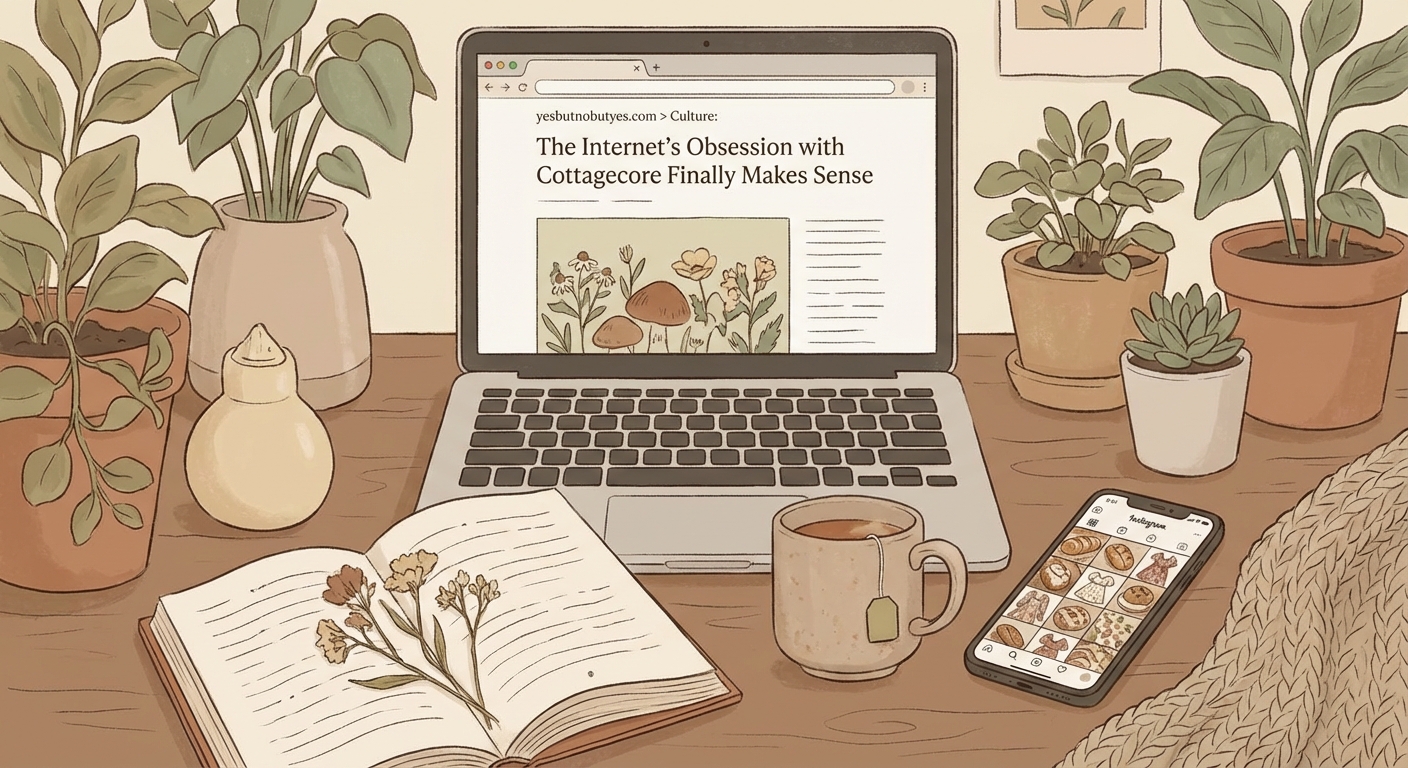
You’ve probably seen it on your Instagram feed. Soft-filtered photos of freshly baked bread, wildflower bouquets in mason jars, flowy linen dresses, and people pretending they live in a pastoral painting from the 1800s. That’s cottagecore, and it’s become one of the most popular aesthetic movements on the internet. But what exactly is cottagecore, and why are so many people obsessed with it?
Cottagecore is an internet aesthetic that romanticizes simple, rural living through imagery of homemade goods, nature, and traditional crafts. Born from platforms like Tumblr and TikTok, it appeals to young adults seeking comfort and escapism from modern life’s chaos. The movement celebrates baking, gardening, vintage fashion, and a slower pace of life, often idealized through a nostalgic, pastoral lens.
The Basics of Cottagecore
Cottagecore is a visual and lifestyle aesthetic that glorifies an idealized version of rural life. Think Little House on the Prairie meets your grandmother’s recipe book meets a Jane Austen novel.
At its core, cottagecore celebrates:
- Baking bread, pies, and preserves from scratch
- Gardening and foraging for mushrooms and berries
- Wearing vintage-inspired clothing like prairie dresses and aprons
- Living close to nature
- Creating handmade crafts like embroidery and pottery
- Keeping chickens, bees, or other farm animals
- Reading classic literature by a window
- Drinking tea from floral china
The aesthetic emerged around 2018 on Tumblr but exploded during the pandemic when people were stuck at home and craving connection to simpler times. TikTok became the movement’s biggest platform, with the hashtag #cottagecore accumulating billions of views.
The name itself combines “cottage” (a small, cozy rural house) with “core” (the internet’s favorite suffix for aesthetic movements). Other related aesthetics include farmcore, goblincore, and grandmacore, but cottagecore remains the most popular.
Where Cottagecore Came From
The roots of cottagecore stretch back further than you might think. The aesthetic draws inspiration from several historical and cultural sources.
The Romantic movement of the 18th and 19th centuries celebrated nature and rural life as a response to industrialization. Writers like William Wordsworth and artists like John Constable idealized pastoral scenes. Cottagecore echoes this same impulse, just with smartphones and Ring lights.
The Arts and Crafts movement of the late 1800s rejected mass production in favor of handmade goods and traditional techniques. Sound familiar? That’s because cottagecore followers are doing the exact same thing, swapping Amazon orders for hand-knitted sweaters and homemade jam.
More recently, the aesthetic pulls from:
- Studio Ghibli films, especially “Kiki’s Delivery Service” and “Howl’s Moving Castle”
- “The Secret Garden” and other classic children’s literature
- Period dramas like “Pride and Prejudice” and “Anne of Green Gables”
- Folk music and indie artists like Fleet Foxes
The internet gave these influences a name and a community. Tumblr users started collecting images of rural life, vintage fashion, and cozy domestic scenes. Pinterest boards filled with cottage gardens and rustic kitchens. Then TikTok turned it into a full-blown movement.
What Cottagecore Actually Looks Like
Cottagecore has a distinct visual language that makes it instantly recognizable. The aesthetic follows certain patterns and preferences.
Color Palette
Cottagecore favors soft, muted, earthy tones. Sage green, butter yellow, dusty rose, cream, and brown dominate the palette. Everything looks like it’s been filtered through golden hour light or a vintage camera lens.
Fashion Elements
The clothing style borrows heavily from historical periods, particularly the Victorian and Edwardian eras, but makes them wearable for modern life.
| Cottagecore Staples | Modern Alternatives | Common Mistakes |
|---|---|---|
| Prairie dresses with puffed sleeves | Midi dresses with floral prints | Wearing full costume instead of inspired pieces |
| Linen aprons and pinafores | Denim overalls or jumpers | Choosing synthetic fabrics over natural ones |
| Straw hats and bonnets | Wide-brimmed sun hats | Going too literal with historical accuracy |
| Cardigans and knit sweaters | Oversized thrifted sweaters | Buying everything new instead of vintage |
| Mary Jane shoes or boots | Comfortable flats or clogs | Prioritizing looks over practicality |
Activities and Hobbies
Cottagecore isn’t just about looking the part. The lifestyle component focuses on slow, intentional activities:
- Baking sourdough bread and learning traditional recipes
- Starting a vegetable or herb garden
- Pressing flowers and creating botanical art
- Learning embroidery, cross-stitch, or knitting
- Keeping a journal with pressed flowers and sketches
- Foraging for edible plants and mushrooms
- Making candles, soap, or other handmade goods
- Caring for houseplants or small animals
The key is that these activities feel productive but peaceful. They’re the opposite of doomscrolling or binge-watching Netflix.
Why People Are Drawn to Cottagecore
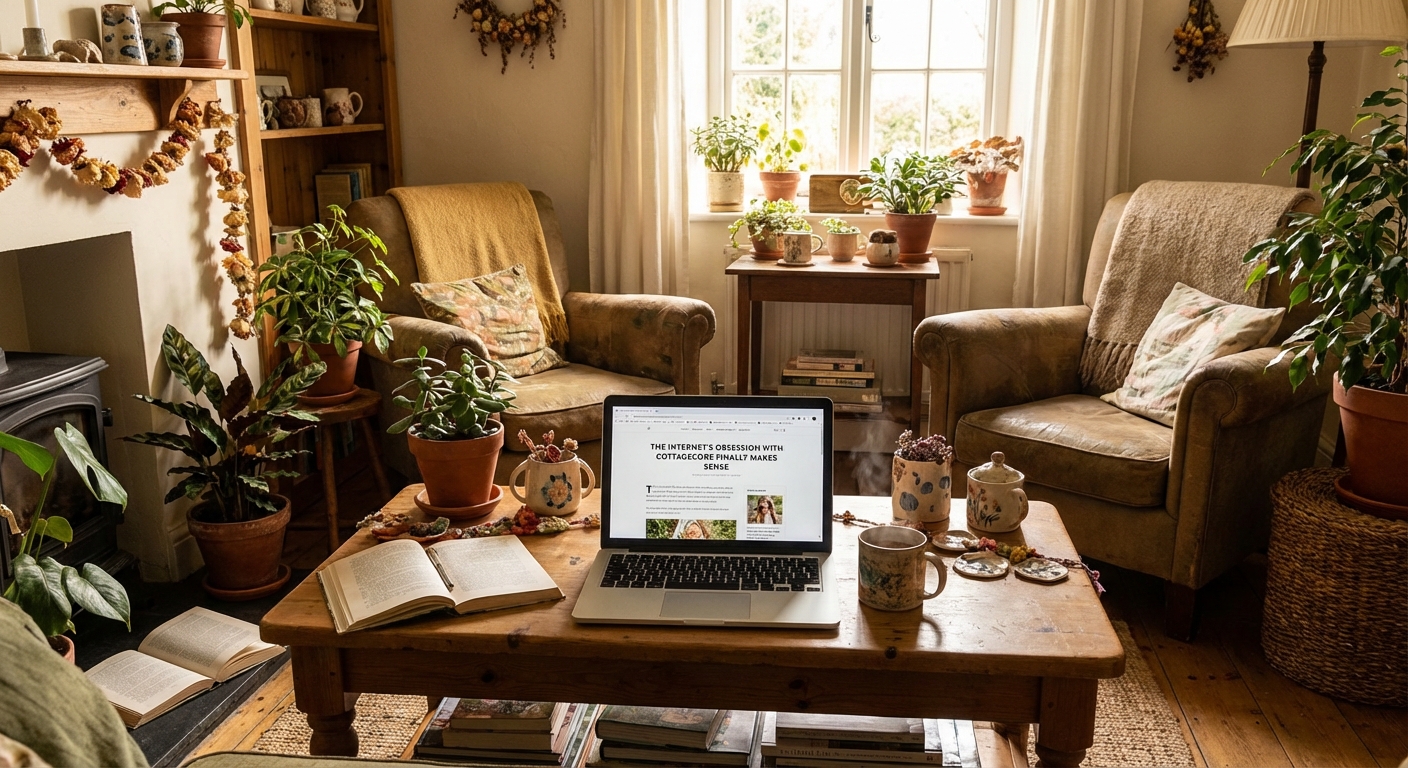
The appeal of cottagecore goes deeper than pretty pictures. The aesthetic resonates because it offers something many people feel is missing from modern life.
Escapism From Technology
We’re constantly connected, constantly working, constantly consuming content. Cottagecore offers a fantasy of disconnection. Even though most cottagecore content exists on digital platforms (the irony isn’t lost on anyone), it represents a desire to log off and touch grass. Literally.
Control in Chaotic Times
The pandemic amplified cottagecore’s popularity because people felt powerless. Baking bread or planting tomatoes gave them something tangible to control. You can’t fix the economy or stop a virus, but you can make a pie from scratch.
“Cottagecore became a form of self-care during lockdown. It wasn’t about actually moving to the countryside. It was about creating small moments of peace and accomplishment when everything else felt overwhelming.” – Internet culture researcher
Gender Expression and Queerness
Cottagecore has become particularly popular in LGBTQ+ communities. The aesthetic allows for fluid gender expression. Anyone can wear a flowy dress or bake cookies without conforming to traditional gender roles. The “cottage” part often includes the fantasy of living with a partner away from societal judgment.
Many cottagecore creators explicitly frame it as “gay cottagecore” or use it to imagine queer utopias. The aesthetic provides a safe, affirming space.
Environmental Values
Cottagecore aligns with growing environmental consciousness among young adults. The emphasis on homemade goods, natural materials, and sustainable practices appeals to people worried about climate change and overconsumption.
Growing your own food, composting, and buying secondhand all fit perfectly into the cottagecore lifestyle while also reducing your environmental impact.
The Criticism Cottagecore Faces
Like any popular internet aesthetic, cottagecore has faced legitimate criticism. Understanding these critiques is important for anyone engaging with the trend.
Romanticizing Hardship
Real rural life is hard. Farming is backbreaking work. Historical cottage life often meant poverty, limited healthcare, and few opportunities, especially for women. Cottagecore presents a sanitized, Instagram-friendly version that ignores these realities.
The aesthetic cherry-picks the cozy parts (fresh eggs, flower gardens) while ignoring the difficult parts (slaughtering animals, no running water, social isolation).
Lack of Diversity
Early cottagecore content was overwhelmingly white. The aesthetic’s references to European pastoral traditions and its visual focus on pale skin in natural light contributed to this problem.
Many creators have worked to make cottagecore more inclusive, highlighting that people of all races have rural traditions and agricultural heritage. Black cottagecore, Indigenous cottagecore, and other specific movements have emerged to reclaim the aesthetic.
Class Privilege
Having the time and resources to bake bread from scratch, maintain a garden, or buy vintage clothing requires certain privileges. Not everyone can afford organic flour or has access to green space.
Some critics argue that cottagecore is essentially “poverty cosplay” for middle-class people who could never actually survive on a subsistence farm.
Performative Activism
When cottagecore intersects with environmental or social justice messaging, it can sometimes feel shallow. Posting aesthetic photos of your sourdough starter doesn’t actually address systemic problems, even if it makes you feel like you’re living more sustainably.
How to Try Cottagecore Yourself
You don’t need to move to the countryside or completely overhaul your life to incorporate cottagecore elements. Start small and focus on what genuinely brings you joy.
Begin With One Activity
Pick a single cottagecore hobby that interests you:
- Try baking something simple like banana bread or cookies
- Buy a few herb plants for your windowsill
- Learn basic embroidery from YouTube tutorials
- Visit a farmer’s market and cook with seasonal produce
- Start pressing flowers from your neighborhood
- Thrift a vintage piece of clothing you’ll actually wear
Don’t feel pressure to do everything at once. Cottagecore should reduce stress, not create more.
Make It Work for Your Life
You can adapt cottagecore to any living situation:
- Apartment dwellers can focus on houseplants, baking, and crafts
- Suburban folks might start a small garden or keep chickens if zoning allows
- City residents can visit parks, shop at farmer’s markets, and create cozy indoor spaces
- People with limited time can enjoy cottagecore media without lifestyle changes
The aesthetic is flexible. Take what works and leave what doesn’t.
Avoid the Consumption Trap
Cottagecore is supposed to be about slowing down and making things yourself. Don’t fall into the trap of buying tons of cottagecore products to achieve the look.
Thrift your clothing. Use what you already have. Learn skills instead of buying finished products. The point is to consume less, not to buy a different category of stuff.
Acknowledge the Fantasy
Enjoy cottagecore while recognizing it’s an idealized aesthetic, not reality. You can appreciate the cozy fantasy while still living in the modern world with modern conveniences.
There’s nothing wrong with escapism as long as you’re honest about what it is.
The Future of the Aesthetic
Cottagecore has already evolved since its early days. The aesthetic continues to branch into subgenres and merge with other movements.
Goblincore embraces the messier, weirder side of nature (mushrooms, frogs, moss, dirt). Dark academia combines cottagecore’s vintage aesthetic with scholarly pursuits and moodier colors. Farmcore focuses more on actual agricultural work and less on the romanticized version.
As environmental concerns grow, cottagecore’s emphasis on sustainability and connection to nature will likely remain relevant. The desire for slower, more intentional living isn’t going anywhere, even if the specific aesthetic evolves.
Social media platforms will continue to shape how cottagecore is expressed and shared. New features, new apps, and new creators will put their own spin on the aesthetic.
Living With Intention, Not Perfection
Cottagecore works best when you stop treating it like a checklist or a competition. Your sourdough doesn’t need to be Instagram-perfect. Your garden can have weeds. Your vintage dress can come from Target instead of an estate sale.
The real value of cottagecore isn’t in achieving some idealized aesthetic. It’s in the permission it gives you to slow down, make things with your hands, and find joy in simple activities. Whether you’re baking cookies, planting basil, or just enjoying photos of other people doing those things, cottagecore offers a moment of calm in an overwhelming world.
Take what resonates. Leave what doesn’t. And remember that the cottage in cottagecore can be whatever space you make your own.