The Nostalgic Snacks Making a Comeback That’ll Hit You Right in the Childhood
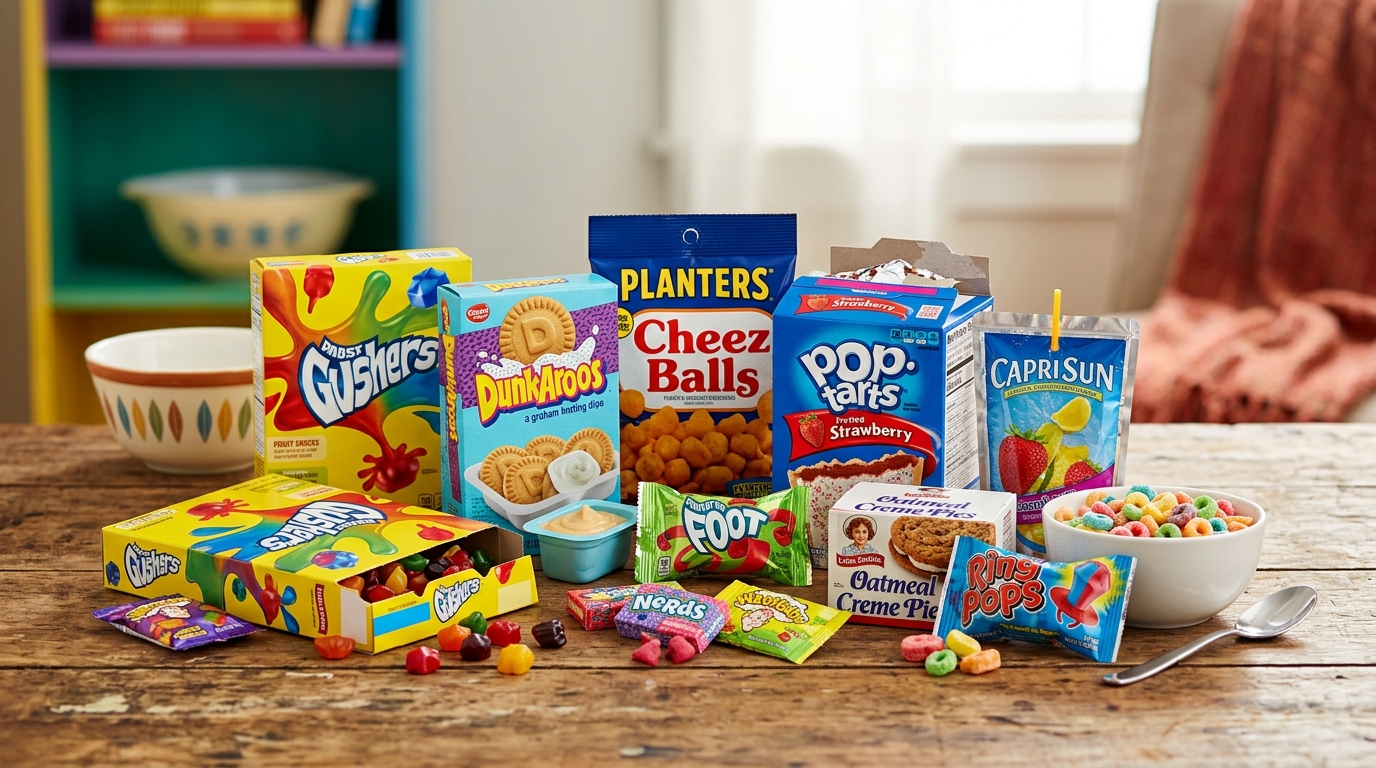
Remember the rush you felt tearing open a pack of Dunkaroos after school? That specific sugar high combined with the pure joy of dunking cookies into frosting wasn’t just about the snack. It was about being ten years old with zero responsibilities and your biggest worry being whether you’d get home in time for your favorite TV show. Now those same treats are showing up at Target and Walmart, and brands are betting big that you’ll pay adult money for that childhood feeling.
Childhood snacks making a comeback aren’t just nostalgia bait. Major brands are re-releasing discontinued favorites like Dunkaroos, Surge, and French Toast Crunch because millennials and Gen X adults have disposable income and emotional connections to these products. The trend combines strategic marketing with genuine demand from consumers who grew up in the 80s, 90s, and early 2000s.
Why Your Favorite Childhood Snacks Disappeared in the First Place
Most discontinued snacks didn’t vanish because they tasted bad. They disappeared because of shifting food trends, changing health standards, and corporate restructuring that had nothing to do with whether kids actually liked them.
In the early 2000s, schools started cracking down on junk food. Parents became more vocal about artificial ingredients. Brands responded by cutting products that didn’t meet new nutritional guidelines or weren’t profitable enough to reformulate.
French Toast Crunch got pulled from U.S. shelves in 2006. Surge soda disappeared in 2003. Dunkaroos went away in 2012. Each exit left a gap in the collective memory of an entire generation.
But here’s the thing about nostalgia. It grows stronger with time. And when that generation starts earning their own paychecks, brands start listening.
The Business Case for Bringing Back Old Favorites
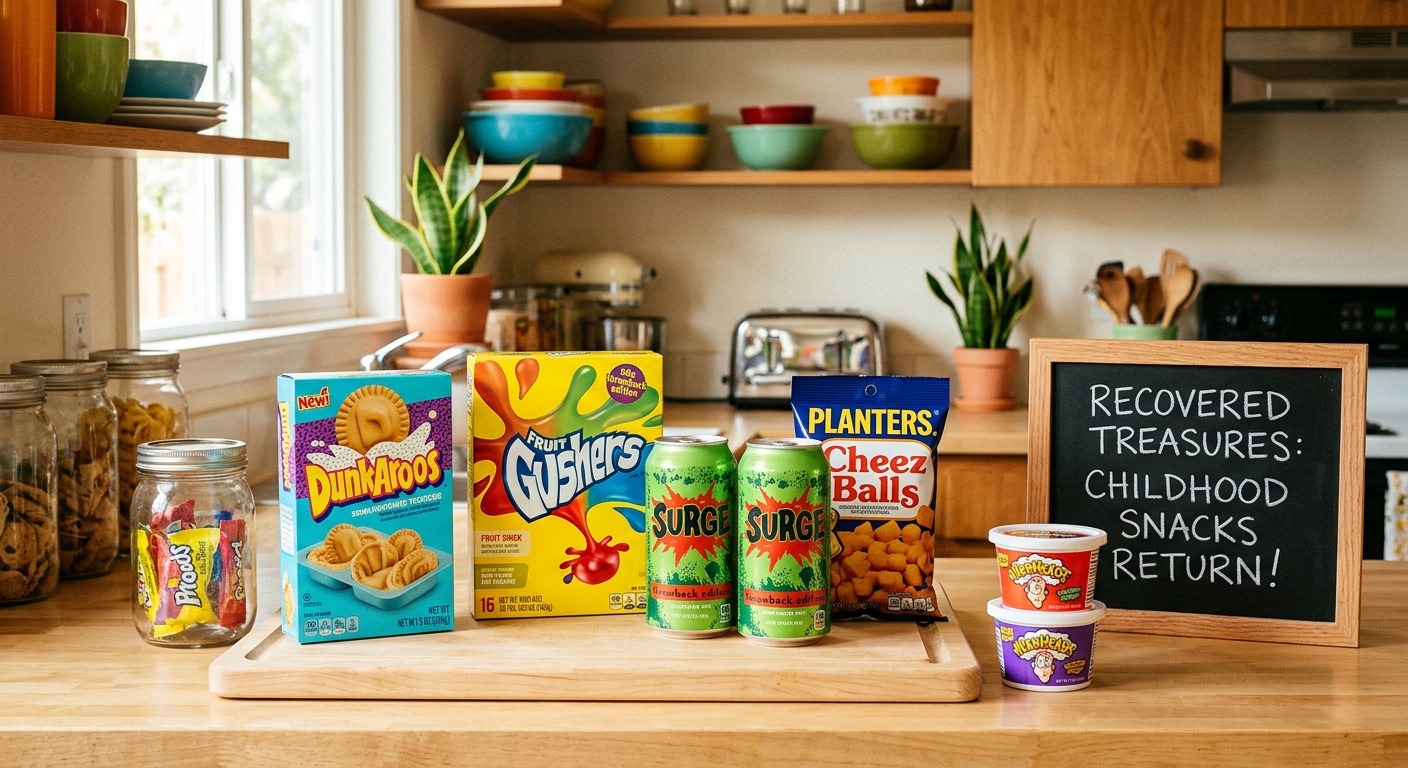
Food companies track social media mentions like hawks. When thousands of people start posting throwback photos of Wonderballs or Ecto Cooler, marketing teams take notice.
Bringing back a discontinued product costs less than launching something new. The brand recognition already exists. The emotional connection is built in. You don’t need to convince people to try it because they already know they love it.
General Mills brought back French Toast Crunch in 2015 after relentless online demand. Coca-Cola re-released Surge in 2014 through Amazon after a Facebook campaign gained massive traction. Dunkaroos returned in 2020 and sold out almost immediately.
These weren’t risky experiments. They were calculated moves based on data showing that adults would absolutely buy snacks they remembered from childhood.
The profit margins make sense too. Adults don’t just buy one pack. They buy multiple boxes to stock up, share on social media, and relive that specific moment in time when life felt simpler.
How to Actually Find These Comeback Snacks
Tracking down re-released treats takes more effort than just wandering into any grocery store. Distribution varies wildly depending on the product and the retailer agreements.
- Check major retailers first, including Target, Walmart, and grocery chains that carry extensive snack aisles.
- Search online marketplaces like Amazon, which often get exclusive early releases or limited edition runs.
- Follow brand social media accounts for announcements about where and when products will be available.
- Join nostalgia food groups on Reddit and Facebook where members share sighting locations and restock updates.
- Sign up for email alerts from specialty candy and snack retailers that focus on retro and hard-to-find items.
Some comebacks are permanent additions to store shelves. Others are limited runs that disappear again if sales don’t meet projections. Timing matters.
The Snacks That Made the Biggest Comebacks
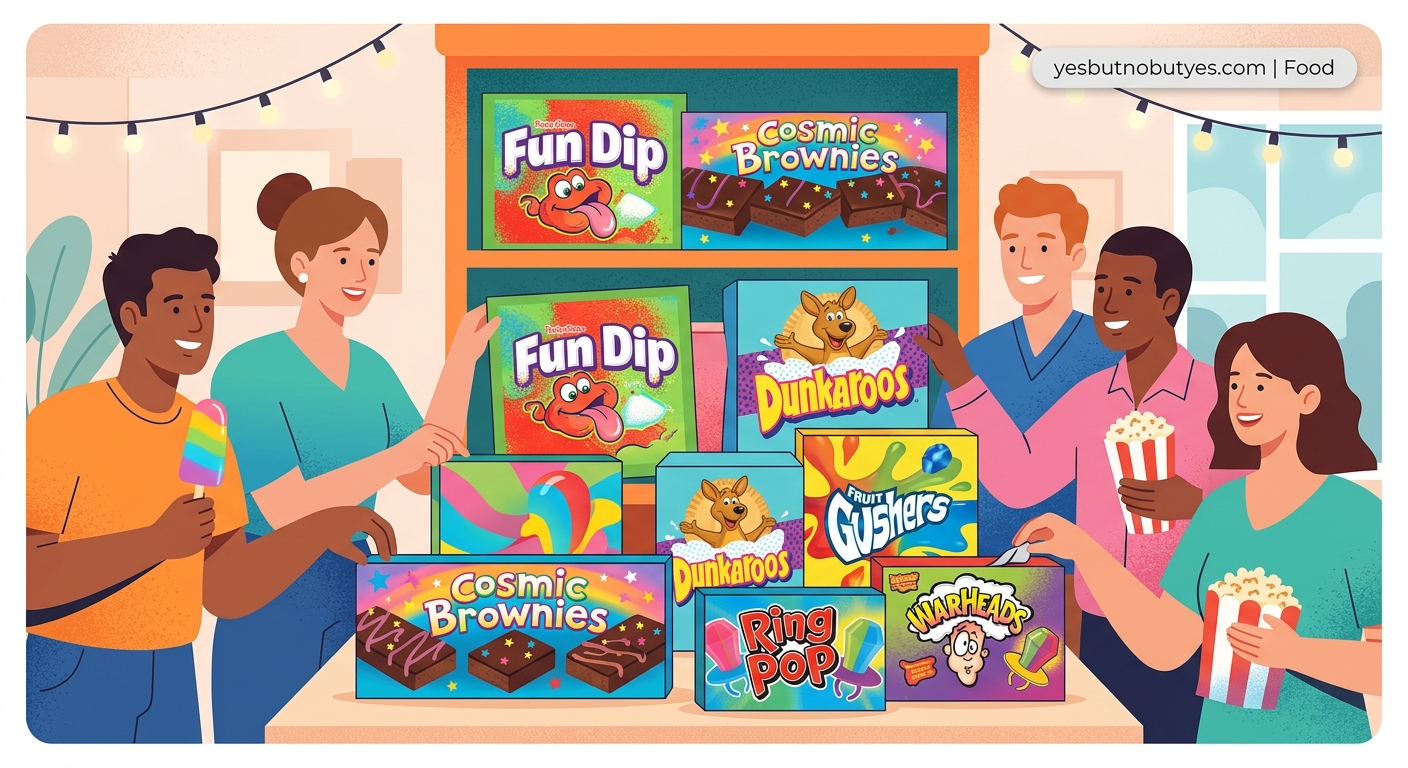
Not every discontinued snack gets a second chance. The ones that return usually have a few things in common: strong brand recognition, vocal fan bases, and the ability to fit into current market trends.
Dunkaroos
Betty Crocker brought these back in 2020 after an eight-year absence. The kangaroo mascot, the tiny cookies, the overly sweet frosting. Everything stayed the same except the packaging got a slight modern update.
The return generated massive social media buzz. People who grew up in the 90s rushed to buy them, not just for themselves but to show their own kids what lunchbox trading used to look like.
Surge Soda
This citrus-flavored drink was Coca-Cola’s answer to Mountain Dew in the late 90s. It built a cult following among teenagers and then vanished in 2003.
The comeback started with a grassroots Facebook campaign. Coca-Cola tested the waters with an Amazon-exclusive release in 2014. When those sales exceeded expectations, Surge gradually expanded to convenience stores and select retailers.
French Toast Crunch
General Mills discontinued this cereal in 2006 but kept selling it in Canada. Americans noticed. They complained. They started online petitions.
The 2015 re-release proved that sometimes the simplest concept works best. Tiny pieces of cereal shaped like French toast covered in cinnamon sugar. Nothing complicated. Just pure nostalgia in a bowl.
3D Doritos
These puffed, triangular chips disappeared in the mid-2000s and came back in 2021. Frito-Lay knew exactly what they were doing by timing the release during a period when comfort food sales were spiking.
The texture and flavors matched what people remembered. The marketing leaned hard into the throwback angle without trying to modernize or improve the formula.
What Makes These Snacks Hit Different Now
Eating a childhood snack as an adult triggers a specific type of memory recall. The taste connects directly to moments you haven’t thought about in years.
You’re not just eating cookies. You’re remembering the specific texture of your elementary school cafeteria table. The sound of your backpack zipper. The feeling of trading snacks with friends before the bell rang.
This emotional response is why people will pay premium prices for products that objectively aren’t that special. The value isn’t in the ingredients. It’s in the time travel.
Brands understand this psychology. That’s why comeback marketing focuses less on nutritional benefits and more on phrases like “just like you remember” and “taste your childhood.”
Common Mistakes People Make When Hunting Nostalgia Snacks
| Mistake | Why It Happens | Better Approach |
|---|---|---|
| Buying from price gougers | Limited availability creates artificial scarcity | Wait for wider distribution or check multiple retailers |
| Assuming taste will match memory | Our taste preferences change as adults | Accept that the experience might feel different now |
| Stockpiling too much | Fear of another discontinuation | Buy reasonable amounts and check expiration dates |
| Ignoring regional availability | Some products only launch in test markets | Use online retailers that ship nationally |
| Missing limited edition releases | Not following brand announcements | Set up social media alerts for your favorite brands |
The biggest disappointment comes from expecting a snack to taste exactly like your ten-year-old self remembers. Your palate has changed. You’ve eaten thousands of different foods since then. The snack might be identical, but you’re not.
That doesn’t mean the experience isn’t worth it. It just means tempering expectations with reality.
The Snacks Still Missing in Action
Some discontinued favorites haven’t made the comeback list yet. Fans keep hoping, brands keep teasing, but nothing materializes.
- Wonderballs: Chocolate spheres with candy inside got discontinued due to choking hazard concerns. They briefly returned in 2016 but didn’t stick around.
- Pepsi Blue: This berry-flavored soda had a brief revival in 2021 but hasn’t become a permanent fixture.
- Altoids Sours: Possibly the most requested discontinued candy online. Altoids has acknowledged the demand but hasn’t committed to bringing them back.
- Oreo O’s Cereal: These made a comeback in 2017 after a long absence, proving that persistence sometimes pays off.
The pattern suggests that snacks with safety concerns or complicated production processes face higher barriers to return. Simple formulas with existing production capabilities have better odds.
“The nostalgia economy isn’t just about selling old products to older consumers. It’s about creating moments of joy that connect people to specific times in their lives when things felt more manageable. That emotional value is something you can’t manufacture from scratch.” – Food industry analyst
How Social Media Changed the Comeback Game
Before Facebook and Twitter, discontinued snacks just disappeared. You might mention them to friends occasionally, but there was no way to organize collective demand.
Social media changed everything. Now a single viral post about missing a specific snack can reach millions of people who feel the same way. Brands can measure that interest in real time.
Petition websites let fans show concrete numbers. When 100,000 people sign a petition asking for Surge to return, that’s market research Coca-Cola doesn’t have to pay for.
The feedback loop works both ways too. When a comeback product launches, social media response tells brands immediately whether they made the right call. Sales data that used to take weeks to compile now shows up in trending topics within hours.
This dynamic has made food companies more willing to take chances on re-releases. The risk is lower when you can gauge interest before committing to full production runs.
The Dark Side of Nostalgia Marketing
Not every comeback is genuine. Some brands use nostalgia as a cheap marketing trick without actually delivering the product people remember.
Recipe changes happen frequently. A snack might return with different ingredients due to cost savings or supplier changes. The box looks the same, but the taste is off.
Limited edition releases create artificial urgency. Brands announce a comeback, generate buzz, sell through one production run, and then pull the product again. It feels manipulative because it often is.
Some comebacks are clearly cash grabs. The product returns with inflated prices, smaller package sizes, or quality that doesn’t match the original. Companies bet that nostalgia will override critical judgment.
Being aware of these tactics doesn’t mean you can’t enjoy comeback snacks. It just means approaching them with realistic expectations and not falling for every “limited time only” marketing push.
What This Trend Says About Getting Older
The fact that childhood snacks making a comeback resonates so strongly with millennials and Gen X says something about where these generations are in life.
You’re old enough to have disposable income but young enough to remember a pre-smartphone childhood. You experienced a specific cultural moment that younger generations didn’t, and these snacks are tangible proof it happened.
There’s comfort in that. Especially during uncertain times, having access to something that feels familiar and safe matters more than whether the snack is actually good by objective standards.
This isn’t that different from how canceled TV shows that deserved more seasons or rewatchable movie scenes trigger similar emotional responses. We’re drawn to things that remind us of specific times in our lives.
The snack aisle has become another venue for that connection. And brands are happy to facilitate it as long as the profit margins work out.
Where the Trend Goes From Here
Expect more comebacks. Food companies now have proof that nostalgia sells. They’re combing through discontinued product lists looking for the next Dunkaroos-level hit.
The challenge will be maintaining authenticity. As more brands jump on the trend, consumers will get better at spotting genuine revivals versus cynical cash grabs.
We might also see more collaboration with the original fans. Some brands are already asking social media communities which discontinued products they want back most. That kind of direct engagement creates built-in marketing when the product actually returns.
The nostalgia economy isn’t going anywhere. If anything, it’s expanding beyond snacks into fashion, entertainment, and technology. Gen Z bringing back Y2K fashion proves that even younger generations are getting in on retro trends, just from different decades.
Finding Joy in Small Things Still Counts
Opening a pack of Dunkaroos at 35 years old might seem silly. It’s just cookies and frosting. Nothing special.
But if it makes you smile for a genuine reason, if it connects you to a memory that brings actual joy, then it’s not silly at all. Life gives you fewer and fewer opportunities to feel uncomplicated happiness as you get older.
Sometimes that feeling comes from a snack you haven’t tasted in 20 years. Sometimes it comes from viral food hacks that actually work or finding the perfect fast food fries. The source matters less than the result.
Childhood snacks making a comeback work because they offer something we can’t get anywhere else. Not better taste or nutrition or value. Just a brief moment where you’re ten years old again, sitting at the lunch table, trading snacks with friends, and believing that life will always feel this simple.
That’s worth the $4.99 at Target. Every single time.