This $30 Amazon Gadget Went Viral on TikTok—Here’s the Truth
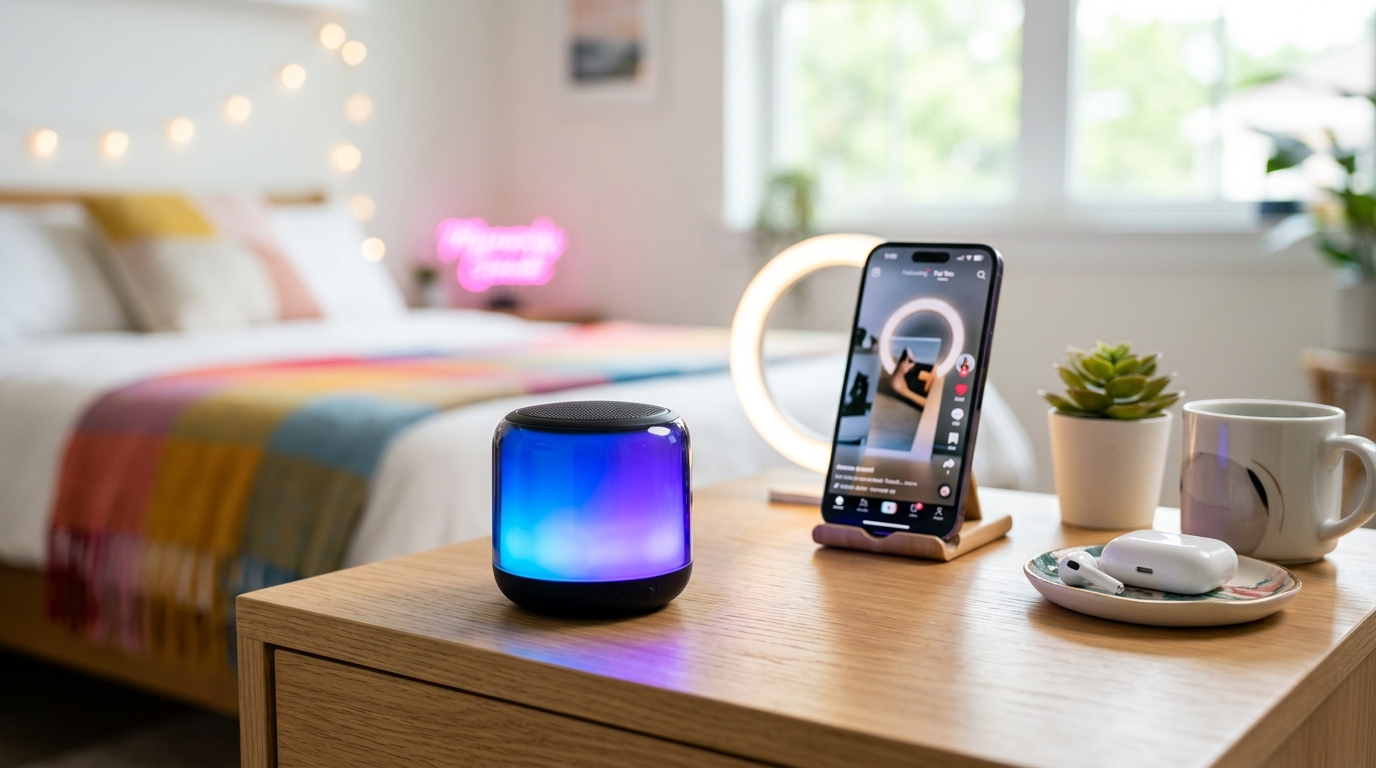
Your For You Page is basically a shopping channel at this point. Between cooking hacks, cleaning miracles, and beauty tools that promise to change your life, TikTok has turned into the world’s most addictive product showcase. But here’s the thing: not every viral Amazon gadget that racks up millions of views actually delivers on its promises.
Viral TikTok Amazon gadgets can be hits or misses. While some products genuinely solve everyday problems and justify their hype, others fall flat after the first use. The key is understanding what makes a gadget worth buying: genuine user reviews, practical applications, reasonable pricing, and whether it solves a real problem you actually have. This guide breaks down the most popular categories, red flags to watch for, and how to spot genuinely useful products before adding them to your cart.
Why TikTok made us all impulse shoppers
The algorithm knows exactly what you want before you do. You’re scrolling through your feed, and suddenly there’s a gadget that solves a problem you didn’t even know you had. The video shows someone using it effortlessly. The comments are full of people saying “just ordered mine!” And within seconds, you’re on Amazon checking the price.
This isn’t accidental. TikTok’s format is perfect for product demonstrations. Short videos show immediate results. Real people (or at least people who seem real) share their genuine reactions. The social proof is built right into the platform through likes, shares, and comment sections full of testimonials.
The problem is that not everything that looks amazing in a 30-second video works that well in real life. Lighting, editing, and strategic camera angles can make any product look better than it actually is. Some creators are genuinely sharing products they love. Others are affiliates who earn commissions on every sale.
The anatomy of a viral Amazon gadget

Most viral TikTok Amazon gadgets share common characteristics. They’re usually priced between $15 and $50, making them low-risk impulse purchases. They solve a specific, relatable problem that lots of people experience. And they show dramatic before-and-after results that are easy to capture on video.
The best ones actually work. The worst ones are cheaply made products that break after a few uses or simply don’t perform as advertised. The tricky part is figuring out which category a product falls into before you buy it.
Here’s what separates the winners from the disappointments:
- Genuine utility: Does it solve a real problem you have, or just one that looks good on camera?
- Build quality: Is it made from durable materials or flimsy plastic that’ll crack in a week?
- Realistic expectations: Can it actually deliver the results shown in videos, or are those results exaggerated?
- User reviews: Do verified purchasers back up the hype, or are most reviews suspiciously generic?
Categories that consistently deliver
Some product categories have better track records than others when it comes to viral tech gadgets that actually live up to the hype. Kitchen tools, organization solutions, and cleaning gadgets tend to be safer bets because their functionality is straightforward and easy to verify.
Kitchen gadgets that actually work
The mini waffle maker that went viral wasn’t just cute. It genuinely makes perfectly shaped waffles in minutes and takes up minimal counter space. The garlic press that promises no-mess mincing actually delivers if you get one with solid construction.
Food storage solutions like the bag sealer or the vegetable chopper are hits because they solve annoying daily problems. You can see immediately whether they work or not. There’s no mystery about functionality.
Organization tools worth the hype
Drawer dividers, closet organizers, and cable management systems tend to live up to their viral status. These products are simple. They either fit your space and organize your stuff, or they don’t. The ones that go viral usually do so because they’re genuinely clever solutions.
The rotating makeup organizer that dominated TikTok for months actually makes cosmetics more accessible. The under-sink organizers that pull out really do maximize awkward cabinet space.
Cleaning products that deliver
The scrub brushes that attach to drills sound gimmicky but actually work for tough bathroom grime. The window cleaning tools with extendable handles save you from dangerous ladder climbing. The lint remover that looks like a simple razor actually revives old sweaters.
These succeed because cleaning results are immediately visible. You can’t fake a sparkling bathtub or a lint-free sweater in a video.
Red flags that scream “skip this”
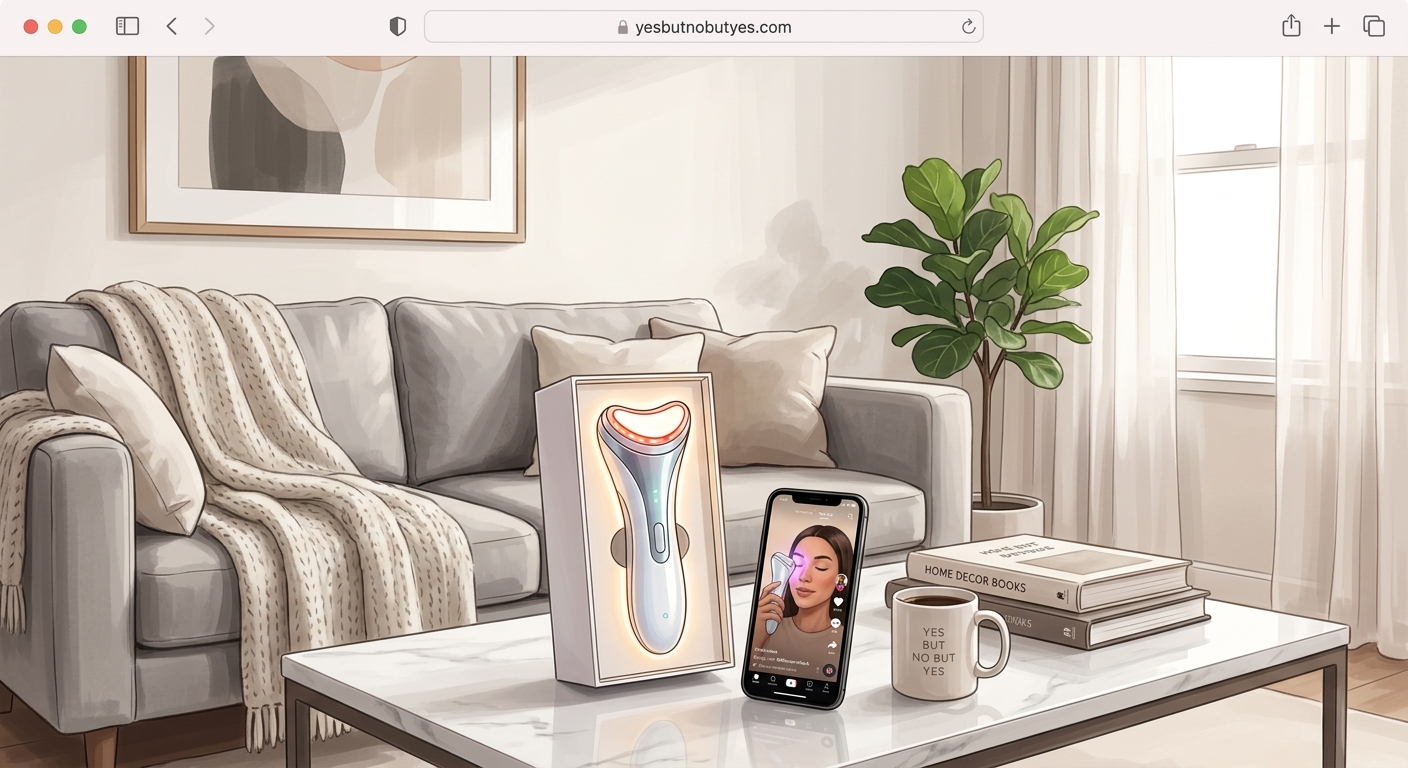
Not every viral product deserves your money. Some warning signs can save you from disappointment and wasted cash.
| Red Flag | What It Means | What To Do Instead |
|---|---|---|
| Only positive reviews | Likely fake or filtered feedback | Check multiple platforms for honest opinions |
| Vague product descriptions | Seller doesn’t want you to know details | Look for specific measurements and materials |
| Unrealistic claims | “Removes wrinkles instantly!” or “Lose 10 pounds!” | Trust your skepticism and keep scrolling |
| No verified purchases | Reviews aren’t from actual buyers | Wait for real customer feedback to accumulate |
| Suspiciously low price | You get what you pay for | Invest a bit more for quality |
Beauty gadgets are particularly prone to overpromising. That facial steamer might work fine, but it won’t give you professional spa results. The hair curler that promises perfect curls in seconds probably requires practice and the right hair type.
How to research before you buy
Smart shopping means doing your homework before clicking “add to cart.” Here’s a systematic approach to vetting viral TikTok Amazon gadgets:
- Watch multiple videos from different creators showing the same product
- Read through Amazon reviews, focusing on three-star reviews for balanced perspectives
- Check if the product has been featured in legitimate publications or review sites
- Look for videos showing long-term use, not just initial unboxings
- Compare prices across sellers to ensure you’re getting a fair deal
- Verify the return policy in case the product doesn’t meet expectations
The three-star reviews are goldmines of honest information. Five-star reviews are often too enthusiastic. One-star reviews can be from people who didn’t follow instructions. Three-star reviews usually come from buyers who had realistic expectations and can articulate both pros and cons.
Products that disappointed after the hype
Some viral sensations turned out to be total letdowns. The portable blender that promised smoothie-shop quality barely crushed ice. The “miracle” stain remover worked on some stains but not others, despite videos showing it removing everything.
The wearable blanket hoodie looked cozy in videos but arrived thin and poorly stitched. The phone projector that was supposed to create a home theater experience produced a dim, blurry image unless you were in complete darkness.
The biggest mistake people make is buying something just because it went viral, without considering whether they actually need it or if it fits their specific situation. A gadget that’s perfect for someone else might be useless for your lifestyle.
These failures share common traits. They overpromised in their marketing. They were made from cheap materials to maximize profit margins. And they relied on the viral momentum to drive sales before negative reviews could accumulate.
The ones that actually earned their fame
Some viral Amazon gadgets genuinely deserve the attention they received. The silicone scrubbing gloves that make dishwashing easier actually protect your hands while providing good grip. The electric milk frother that costs under $20 creates café-quality foam.
The portable phone charger that looks like a lipstick tube really does provide emergency power in a pocket-sized package. The reusable silicone food storage bags actually seal properly and survive the dishwasher, similar to other viral TikTok products that actually live up to the hype.
These products succeeded because they solved real problems with quality construction at reasonable prices. They weren’t trying to be revolutionary. They were just well-designed solutions to everyday annoyances.
Smart shopping strategies for viral products
Timing matters when buying viral gadgets. Prices often spike when something first goes viral, then drop as competition increases. Waiting a few weeks can save you money and give you access to more reviews.
Create a wishlist instead of buying immediately. Add viral products you’re interested in, then revisit the list after a week. You’ll often realize you don’t actually need half the things that seemed essential in the moment.
Look for bundle deals if you’re committed to buying. Many sellers offer discounts when you purchase multiple items. Just make sure you actually want all the items in the bundle.
Check if the same product is available under different brand names. Many viral Amazon gadgets are generic items sold by multiple sellers. You might find the identical product for less money under a different listing.
Understanding the creator economy behind the hype
Many TikTok creators earn commissions through Amazon’s affiliate program. This doesn’t automatically mean their recommendations are dishonest, but it does mean they have financial incentive to make products look appealing.
The best creators are transparent about affiliate relationships and only promote products they genuinely use. They show realistic results and mention any drawbacks. They respond to comments honestly when people ask follow-up questions.
Be wary of accounts that only post product videos and never show other content. These are often marketing channels disguised as personal accounts. Real creators have varied content that includes their actual life, not just endless product demonstrations.
When to trust your instincts over the hype
Your gut feeling is often right. If a product seems too good to be true, it probably is. If you’re only interested because everyone else is buying it, you probably don’t need it.
Consider whether the product solves a problem you’ve actually experienced or just one that looks relatable in a video. Think about whether you’ll use it regularly or if it’ll end up in a drawer after the novelty wears off.
Ask yourself if you’d buy this product if you saw it in a store without the viral context. If the answer is no, the hype is doing too much heavy lifting.
The future of viral shopping
TikTok has fundamentally changed how products become popular. Traditional advertising can’t compete with the authenticity (real or perceived) of social media recommendations. This trend isn’t going away.
As more people become aware of affiliate marketing and sponsored content, the bar for genuine recommendations will rise. Creators who maintain trust with their audiences will thrive. Those who promote anything for a commission will lose credibility.
Amazon and other retailers are adapting by creating features that integrate with social media platforms. The shopping experience is becoming more seamless, which means impulse buying will only get easier. Your defense is becoming a more informed, skeptical consumer.
Making viral gadgets work for you
The viral TikTok Amazon gadget phenomenon isn’t inherently bad. It’s introduced genuinely useful products to millions of people who might never have found them otherwise. The key is approaching these products with realistic expectations and healthy skepticism.
Before you buy, ask yourself three questions: Do I actually need this? Will I use it regularly? Is this the best version of this product I can buy? If you can answer yes to all three, go ahead and add it to your cart.
Remember that what works perfectly for someone else might not work for you. Different lifestyles, living situations, and personal preferences mean that no product is universally perfect. The goal isn’t to avoid viral products entirely. It’s to become a smarter shopper who can separate genuine quality from clever marketing.
Your TikTok feed will keep serving up tempting gadgets. Now you have the tools to figure out which ones deserve your money and which ones deserve a scroll past.