This New App Is Replacing Google for Gen Z and Here’s Why
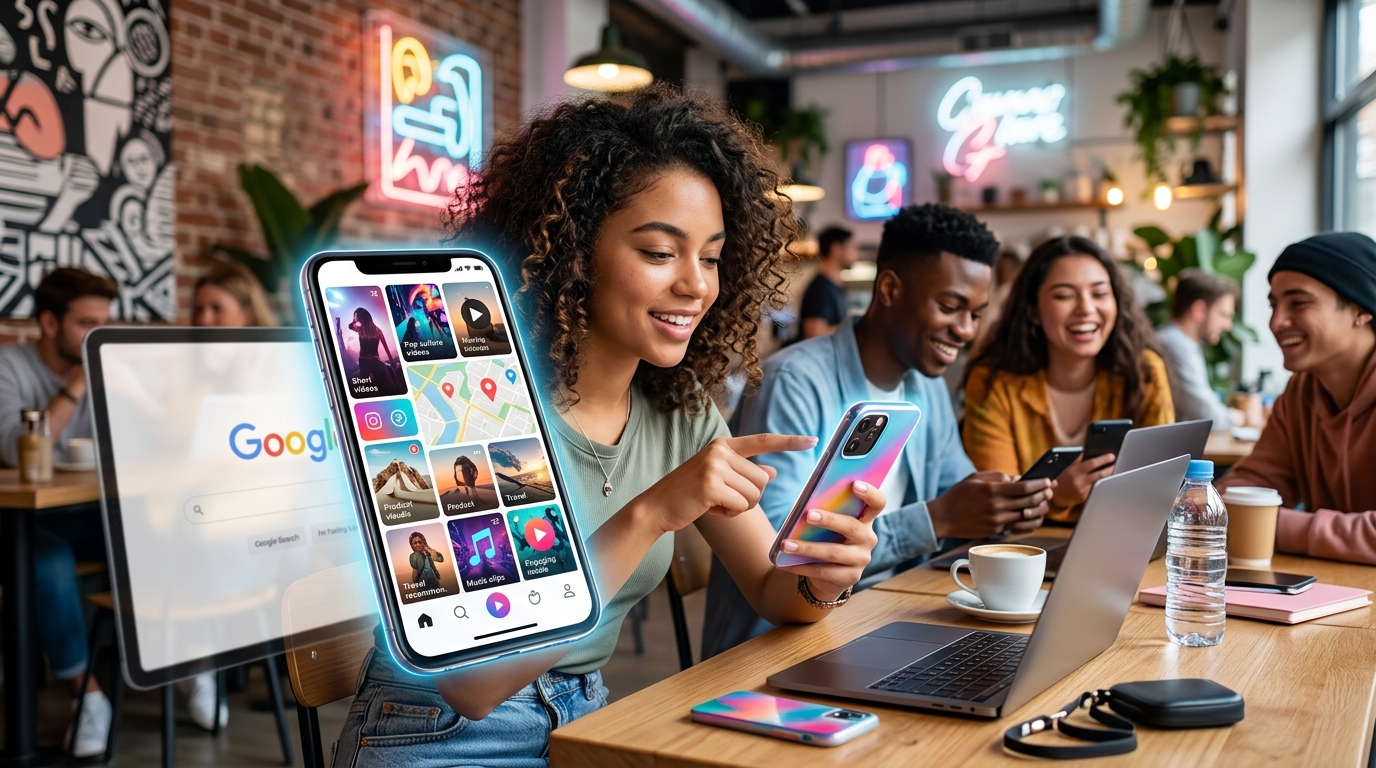
If you’ve noticed your younger coworkers typing questions into TikTok instead of Google, you’re not alone. Gen Z is fundamentally changing how people search for information online, and it’s sending shockwaves through the marketing world. This isn’t just about preferring video over text. It’s about trust, authenticity, and getting answers from real people instead of algorithms.
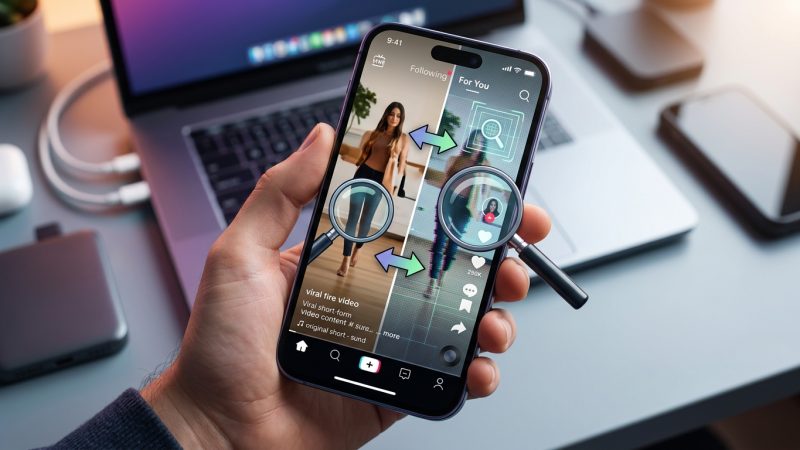
Gen Z users increasingly turn to TikTok for search queries traditionally handled by Google. They prefer authentic, personality-driven video answers over text-based results. This behavioral shift impacts SEO strategy, content creation, and how brands reach younger audiences. Marketers must adapt by creating searchable video content, using conversational keywords, and building genuine connections rather than relying solely on traditional search optimization.
Why TikTok became a search engine
TikTok wasn’t designed as a search engine. It started as a place to watch dance videos and comedy sketches.
But Gen Z found another use for it.
They type questions into the search bar. They scroll through videos from real people showing real results. They get answers that feel more trustworthy than a blog post optimized for keywords.
The platform’s algorithm learned what people wanted. It started serving up how-to videos, product reviews, and local recommendations. Suddenly, TikTok could answer “best pizza near me” better than Google Maps because you could see the actual pizza, watch someone take a bite, and hear their unfiltered opinion.
Google gives you websites. TikTok gives you people.
That difference matters more than most marketers realized.
The trust factor that changed everything
Gen Z grew up watching influencer scandals and brand controversies unfold in real time. They learned to spot fake reviews. They developed a sixth sense for corporate speak.
Traditional search results feel manufactured to them. The top result on Google might be there because someone paid for it or gamed the SEO system. A TikTok video showing someone actually using a product feels more honest, even if that person is technically an influencer.
“When I search on TikTok, I see real people in their actual apartments using products they bought. On Google, I see sponsored posts pretending to be articles. The choice is obvious.” — Marketing analyst studying Gen Z search behavior
This generation values transparency. They want to see the mess in the background. They want to hear someone say “this didn’t work for me” just as much as they want recommendations.
Much like internet trends from 2010 that feel dated now, traditional search might start feeling outdated to younger users.
What Gen Z actually searches for on TikTok
The types of queries moving to TikTok reveal what this generation values.
Restaurant recommendations top the list. Gen Z wants to see the food, the vibe, the actual menu prices. They want someone to show them what to order, not just tell them the restaurant is “cozy and welcoming.”
Fashion and beauty tutorials dominate. But not the polished YouTube variety. They want someone showing them how to style a specific item they already own or how to fix a makeup mistake.
Product reviews with proof. Unboxings where things actually break. Comparisons where someone bought multiple versions and tests them side by side.
Local information about their city. Hidden spots. Events. Places that don’t have a strong web presence but show up in someone’s “things to do this weekend” video.
The most common TikTok search categories
| Category | What They Want | Why TikTok Works Better |
|---|---|---|
| Restaurants | Visual proof of food quality | See actual dishes and portions |
| Products | Real user experiences | Watch items being used in context |
| How-to guides | Step-by-step visuals | Follow along in real time |
| Local spots | Authentic recommendations | Discover places locals actually go |
| Fashion advice | Styling for specific items | See outfits on real body types |
How this impacts your content strategy
If you’re creating content for Gen Z, you need to rethink your approach.
Text-based blog posts still have value. But they’re not the first stop anymore for younger audiences. You need a video-first strategy that treats TikTok as a search platform, not just a place for viral dances.
Here’s what that means practically.
-
Create content that answers specific questions. Think about what someone would type into a search bar. Make videos that directly address those queries.
-
Use natural language in your captions and voiceovers. Gen Z searches conversationally. They type “how do I fix this weird thing my phone does” not “smartphone troubleshooting guide.”
-
Show the process, not just the result. A 15-second video of a perfect outfit doesn’t help someone searching for styling advice. A 60-second video showing three ways to wear the same jacket does.
-
Be honest about what doesn’t work. Authenticity builds trust faster than perfection. If something has limitations, say so.
-
Make your videos searchable. Use relevant keywords in your captions. Add text overlays that match common search terms. Tag your location if you’re featuring local spots.
The brands winning with Gen Z on TikTok aren’t the ones with the biggest budgets. They’re the ones creating genuinely helpful content that answers real questions.
The technical side of TikTok search
TikTok’s search algorithm works differently than Google’s. Understanding these differences helps you optimize content effectively.
The algorithm prioritizes watch time. If people watch your entire video, it signals quality content. That video ranks higher in search results.
Engagement matters more than follower count. A small creator whose video gets lots of comments and shares will outrank a big account with passive viewers.
Recency plays a bigger role than on Google. Fresh content gets priority. A video from yesterday about “best coffee shops in Portland” might rank above a more popular video from six months ago.
Key ranking factors for TikTok search
- Complete video views
- Comments and shares
- Rewatches and saves
- Caption keyword relevance
- Hashtag specificity
- Upload recency
- User interaction history
Similar to how viral TikTok products gain traction through authentic engagement, searchable content rises through genuine user interaction.
Common mistakes brands make on TikTok search
Many companies approach TikTok like it’s television. They create polished ads. They focus on brand messaging. They miss the point entirely.
Gen Z using TikTok instead of Google want utility, not advertising. They’re looking for answers, not brand awareness campaigns.
The biggest mistake is overproduction. Videos that look too professional trigger skepticism. They feel like ads pretending to be authentic content.
Another error is ignoring the comment section. TikTok search isn’t just about the video. It’s about the conversation happening underneath. Brands that don’t respond to questions miss opportunities to build trust and provide additional searchable content.
Focusing only on virality instead of searchability wastes resources. A video with 10 million views that doesn’t answer a specific question has less long-term value than a video with 50,000 views that consistently ranks for a useful search term.
Using trending sounds when they don’t match your content confuses the algorithm. TikTok tries to understand what your video is about. Random trending audio sends mixed signals.
What Google is doing about this
Google noticed. They’re not sitting around watching TikTok steal search traffic from younger users.
The company started prioritizing video content in search results. YouTube Shorts gets prominent placement. They’re testing features that surface short-form video directly in search.
Google also launched “Perspectives,” a feature highlighting content from real people on forums and social media. It’s an attempt to capture that authenticity Gen Z craves.
But here’s the thing. You can’t bolt authenticity onto an existing system. Google’s fundamental structure rewards different things than TikTok does. Changing that requires rethinking search from the ground up.
The competition is pushing both platforms to improve. That’s good news for users and creators who benefit from better tools and features.
How to adapt your SEO strategy
Traditional SEO isn’t dead. But it needs a companion strategy for video search platforms.
Start by auditing your most popular blog content. Which posts answer questions that would work better as videos? Create TikTok versions that complement your written content.
Think about search intent differently. Someone searching on Google might want comprehensive information. Someone searching on TikTok wants a fast, visual answer. Create content that serves both needs.
Build a keyword strategy that works across platforms. Research what people search for on TikTok. Many tools now track TikTok search trends. Use those insights to inform both your video and written content.
Create content series that establish you as a go-to resource. If someone finds one helpful video from you, they’re likely to search for more. Consistent, searchable content builds authority on TikTok just like it does on Google.
Track different metrics. Views matter less than saves and shares for search content. Someone saving your video to reference later signals it has lasting value.
- Research TikTok-specific keywords and phrases
- Create video versions of your best-performing blog posts
- Optimize captions with natural, conversational language
- Respond to comments to boost engagement signals
- Analyze which videos get saved most often
- Build content series around common search themes
The generational divide in search behavior
This isn’t just about Gen Z being different. It’s about a fundamental shift in how people want to consume information.
Millennials grew up with Google. They learned to type specific keywords and scan text results. That feels natural to them.
Gen Z grew up with smartphones and infinite video feeds. They learned to scroll, watch, and judge authenticity instantly. Text feels slower and less trustworthy.
This creates interesting challenges for marketers targeting multiple age groups. You can’t just pick one platform. You need a strategy that serves different search behaviors.
The good news is that quality content translates across formats. A genuinely helpful guide works as a blog post and as a video. The core value stays the same even if the presentation changes.
Understanding these preferences helps you meet your audience where they are instead of expecting them to adapt to your preferred format.
Real examples of brands doing it right
Some companies figured out how to create searchable TikTok content that actually helps people.
Duolingo doesn’t just post funny videos. They create content answering language learning questions. Someone searching “how to roll your Rs in Spanish” finds their video alongside individual creators.
Chipotle posts videos showing how to order specific menu combinations. They answer the question “what should I get at Chipotle” that people actually search for.
Sephora creates tutorials for specific products in their stores. Someone searching for “how to use cream blush” finds their videos mixed with beauty influencer content.
These brands understand they’re competing with individual creators, not other corporate accounts. They create content that serves the searcher first and promotes the brand second.
The strategy works because it provides genuine value. People don’t mind that it’s from a brand if it actually answers their question.
Platform features that support search behavior
TikTok keeps adding features that reinforce its role as a search engine.
The “Search Insights” tool shows creators what people are searching for in their niche. This helps them create content that matches actual demand.
Playlists let creators organize videos by topic. Someone searching for makeup tutorials can find your entire series, not just one video.
The “Favorites” feature lets users bookmark videos they want to reference later. This signals to the algorithm that certain content has lasting value beyond entertainment.
Longer video limits (now up to 10 minutes) allow for more comprehensive tutorials that answer complex questions.
These features show TikTok understands its evolving role. They’re building tools that support search and reference content, not just viral entertainment.
What happens next
This trend isn’t reversing. Gen Z isn’t going to suddenly prefer text-based search results.
As they age and gain more purchasing power, their search preferences will influence how all platforms evolve. Google will keep adapting. TikTok will keep improving search features. New platforms will launch trying to capture both video engagement and search utility.
For content creators and marketers, the message is clear. Video content isn’t optional anymore. It’s not just about having a presence on TikTok. It’s about creating searchable, valuable content that serves people looking for answers.
The brands that thrive will be the ones that stop thinking about TikTok as a place to go viral and start thinking about it as a place to be helpful.
This shift also means rethinking what “search engine optimization” means. It’s not just about keywords and backlinks anymore. It’s about creating content that people want to watch, save, and share.
Making video search work for your brand
You don’t need a massive production budget to create searchable TikTok content.
Start small. Pick three questions your audience frequently asks. Create simple videos answering each one. Use your phone. Film in natural light. Be yourself.
Test what works. Pay attention to which videos get saved and shared. Those are your winners. Create more content like that.
Build consistency. Post regularly on topics related to your niche. The algorithm rewards accounts that establish topical authority.
Engage with your community. Answer questions in comments. Create follow-up videos addressing common confusion. This builds trust and creates more searchable content.
Think long-term. A viral video gives you a spike in followers. A library of searchable content gives you sustained growth and establishes you as a reliable resource.
The shift toward video search isn’t just changing platforms. It’s changing how people discover information, make decisions, and choose what to buy. Brands that understand this and adapt their content strategy accordingly will connect with Gen Z in ways that feel natural rather than forced. The future of search is visual, authentic, and conversational. Your content strategy should be too.