Which Fast Food Chain Has the Best Fries? We Ranked Them All
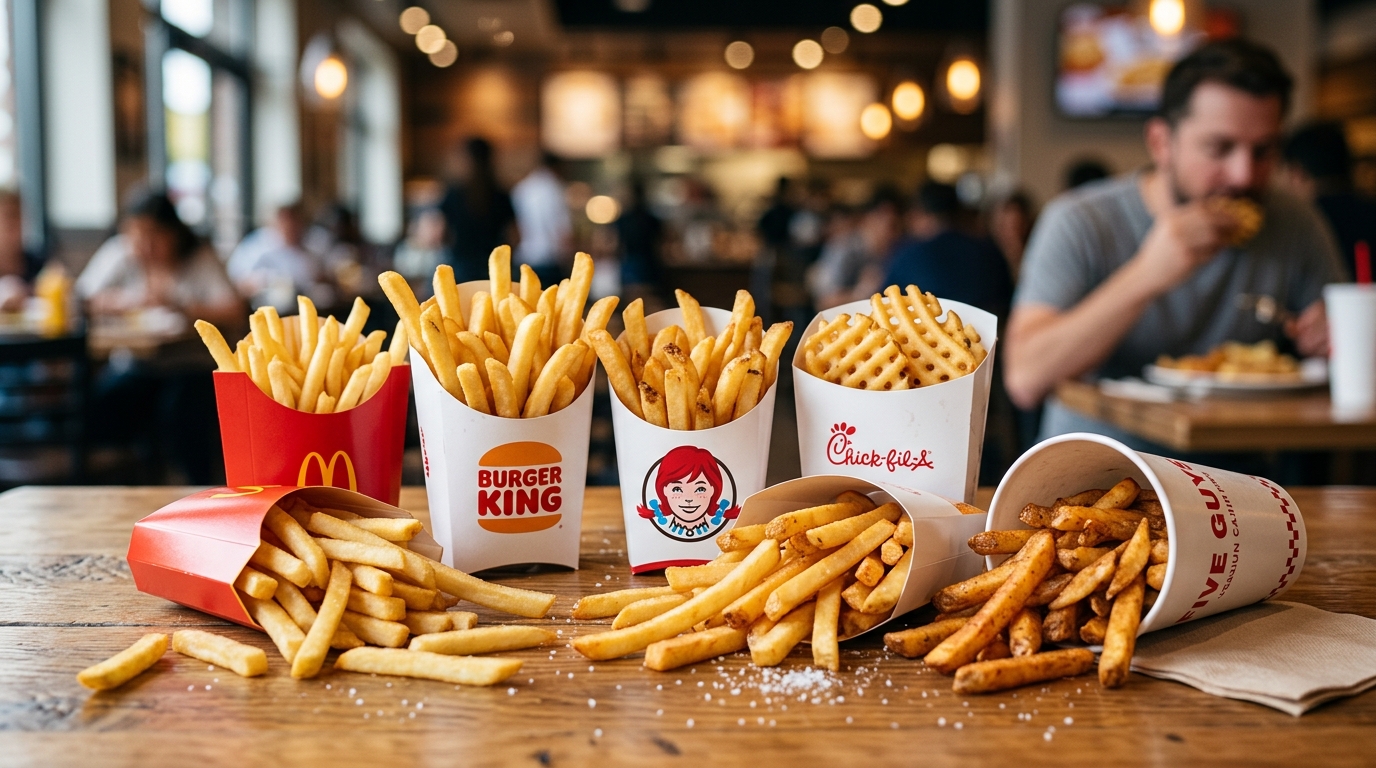
French fries are the ultimate fast food sidekick. They can make or break your entire meal experience. A burger might be average, but incredible fries can save the day. Terrible fries? They’ll ruin everything.
We set out to answer the burning question that divides friend groups and sparks heated debates: which fast food chain truly serves the best fries? We visited every major chain, ordered standard fries, and judged them on crunch, flavor, salt level, and that elusive quality that makes you reach for just one more.
The best fast food fries combine a crispy exterior with a fluffy interior, proper seasoning, and consistency across locations. McDonald’s leads in brand recognition, but several chains compete strongly on flavor and texture. Your ideal fry depends on whether you prioritize crunch, potato flavor, seasoning style, or holding power during your drive home.
What Makes a Great Fast Food Fry
Not all fries are created equal. Some chains cut thick wedges. Others go for shoestring thin. The preparation method matters just as much as the potato itself.
Great fries need structural integrity. They should survive the journey from fryer to your mouth without turning into a soggy mess. The exterior needs crunch. The interior should be light and fluffy, not dense or gummy.
Seasoning separates good fries from legendary ones. Salt is non-negotiable, but the timing matters. Salt applied right after frying sticks better and distributes evenly. Some chains add extra seasonings that create signature flavors you can recognize blindfolded.
Temperature is everything. Fries served lukewarm lose their appeal instantly. The best chains maintain consistent heat from kitchen to customer, even during rush periods.
How We Tested Every Chain
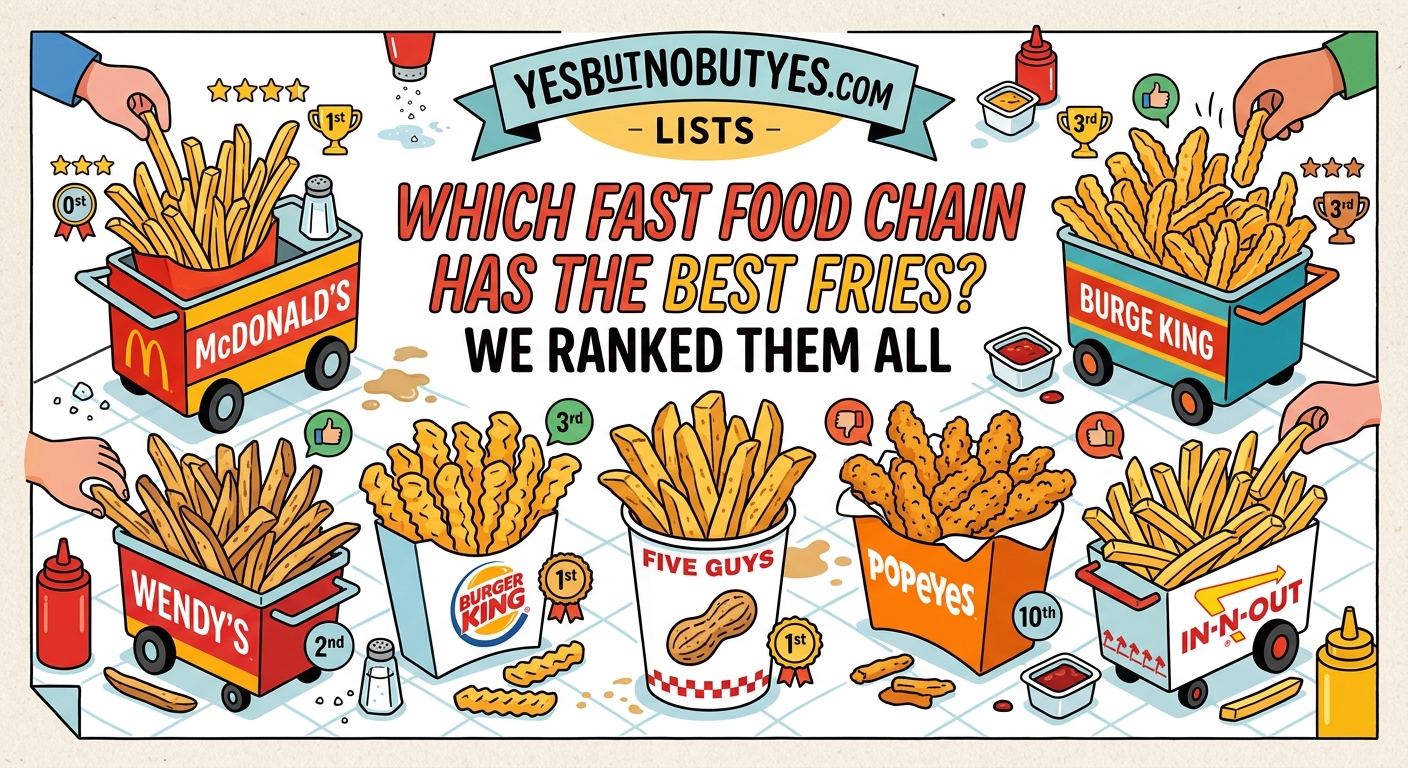
We created a systematic approach to ensure fair comparisons. Here’s our testing process:
- Visit each chain during non-peak hours to get freshly made fries
- Order a medium fry with no modifications or special requests
- Photograph the fries immediately upon receiving them
- Taste within two minutes while still at optimal temperature
- Rate crunch factor, interior texture, salt level, and overall flavor
- Return to each location twice more on different days for consistency checks
We tested fries from McDonald’s, Burger King, Wendy’s, Five Guys, Shake Shack, In-N-Out, Arby’s, Chick-fil-A, Popeyes, KFC, Sonic, Jack in the Box, Carl’s Jr., Hardee’s, Checkers, Rally’s, White Castle, and Culver’s.
Each chain received scores across multiple categories. We eliminated personal bias by having multiple testers rate independently, then averaging the results.
The Top Tier Champions
McDonald’s fries remain the gold standard for a reason. Their thin cut creates maximum surface area for crispiness. The signature flavor comes from their specific oil blend and precise salt application. These fries maintain their texture longer than most competitors.
The consistency across locations is remarkable. Whether you’re in California or Maine, McDonald’s fries taste nearly identical. That reliability builds trust with customers who know exactly what they’re getting.
Five Guys takes a different approach with boardwalk-style fries. They’re thicker, cooked in peanut oil, and come in generous portions. The potato flavor shines through more prominently than thin-cut varieties. Some locations even display the potato sacks they’re using that day, emphasizing freshness.
These fries have a shorter optimal eating window. They’re incredible when hot but lose appeal faster as they cool. The thickness that creates their fluffy interior also makes them more vulnerable to sogginess.
Chick-fil-A waffle fries bring something different to the table. The waffle cut isn’t just aesthetic. It creates pockets that hold sauce beautifully and provides varied texture in every bite. The exterior gets extra crispy while the interior stays tender.
The downside? They’re harder to eat while driving. Those waffle gaps can trap heat, leading to occasional mouth burns. But for sit-down eating, they’re among the best options available.
The Solid Middle Ground
Wendy’s natural-cut fries keep the skin on, creating a more rustic appearance and potato-forward flavor. Some people love the skin. Others find it distracting. The thickness varies more than competitors, leading to inconsistent cooking. You might get some perfectly crispy fries alongside a few undercooked ones in the same order.
Burger King fries underwent a major reformulation years ago. The current version has a coating that maintains crispiness longer. They’re aggressively salted, which some people appreciate and others find overwhelming. The coating creates an almost shell-like exterior that’s polarizing.
In-N-Out fries are controversial. They’re cut fresh in-store from whole potatoes, which sounds amazing. But they’re cooked only once instead of the double-fry method most chains use. This results in a less crispy exterior and sometimes gummy interior. Die-hard fans swear by them. Many others rank them near the bottom.
You can order them “well-done” for extra crispiness. This helps significantly but requires knowing to ask. The default preparation doesn’t compete well with chains that nail it on the first try.
The Seasoned Specialists
Some chains differentiate themselves through bold seasoning rather than perfect potato execution.
Arby’s curly fries pack serious flavor. The seasoning blend includes paprika, garlic, and onion powder. The curly shape isn’t just fun. It increases surface area for more seasoning coverage and creates varied textures within a single fry.
They’re not for purists who want to taste the potato. These are about the seasoning experience first, potato second.
Checkers and Rally’s (same company, different regions) serve heavily seasoned fries with a crispy coating. They’re intensely flavored and maintain crunch impressively well. The seasoning is salty and slightly spicy. If you’re eating them with a heavily seasoned burger, the flavors can compete rather than complement.
Popeyes Cajun fries bring genuine spice. They’re not just salty but have actual heat. The seasoning blend includes cayenne and other spices that create a lingering warmth. These pair perfectly with their fried chicken but might overpower milder menu items.
What Your Fry Choice Says About You
Your fry preference reveals more than you might think. It’s become part of food culture, similar to why everyone’s suddenly obsessed with tinned fish and how to join the trend.
People who prefer McDonald’s fries value consistency and nostalgia. These are the fries you grew up with, the benchmark against which all others are measured. You’re not looking for innovation. You want the reliable classic done right every time.
Five Guys fans prioritize potato flavor and generous portions. You’re willing to pay more for what you perceive as higher quality. You probably also enjoy the customization options and don’t mind the longer wait time.
Chick-fil-A waffle fry enthusiasts appreciate novelty and sauce-friendliness. You’re likely ordering multiple sauce cups and see fries as a vehicle for those flavors. The fry itself is important, but the combination matters more.
In-N-Out defenders are loyal to the brand’s fresh-cut philosophy even when execution falters. You value the concept and story behind the food as much as the taste itself.
Common Fry Mistakes Chains Make
Understanding what goes wrong helps explain why some fries disappoint. Here’s a breakdown of the most common issues:
| Mistake | Impact | Chains That Struggle |
|---|---|---|
| Undersalting | Bland flavor, requires manual salt addition | In-N-Out, some Wendy’s locations |
| Oversalting | Overwhelming saltiness, masks potato flavor | Burger King, some Checkers locations |
| Inconsistent cooking | Some fries crispy, others soggy in same order | Wendy’s, smaller regional chains |
| Serving lukewarm | Loss of crispiness and appeal | Varies by location and time |
| Poor holding time | Fries get soggy quickly after preparation | In-N-Out, thicker-cut varieties |
| Wrong potato variety | Dense or gummy interior texture | Various chains during supply issues |
Temperature control represents the biggest challenge. Fries continue to steam in their container, softening that crispy exterior. Chains that package fries in completely sealed containers trap more moisture. Partially open containers allow steam to escape but let fries cool faster.
The solution involves finding the sweet spot between heat retention and moisture release. McDonald’s figured this out decades ago. Their container design isn’t accidental.
How to Get the Freshest Fries Every Time
You can significantly improve your fry experience with a few strategic moves:
- Order during busy periods when fry turnover is high
- Ask for fries without salt, then add your own (forces them to make a fresh batch)
- Request “extra crispy” or “well done” at chains that accommodate special requests
- Eat in-store rather than taking them to-go when possible
- Open the container slightly during transport to release steam
The no-salt trick works but makes you unpopular with kitchen staff during rush periods. Use it sparingly and only when you genuinely want less salt.
Some people order a large fry even when eating alone because larger batches are made more frequently. You’ll get fresher fries more consistently. Yes, you’re paying more and wasting food. But if fry quality is your priority, it’s effective.
The secret to perfect fast food fries isn’t just about the cooking method. It’s about timing. Fries have a golden window of about three to five minutes when they’re at peak texture and temperature. After that, they’re fighting a losing battle against physics.
Regional Chains Worth Seeking Out
National chains dominate the conversation, but regional players deserve recognition.
Culver’s crinkle-cut fries have a devoted following in the Midwest. The crinkle cut creates ridges that hold onto seasoning and sauce. They’re cooked to a perfect golden brown with a satisfying crunch.
White Castle fries are thin and crispy, almost chip-like. They’re not trying to be fluffy inside. They commit fully to the crunch experience. You either love them or find them too insubstantial.
West Coast chain The Habit serves sweet potato fries as their standard option, with regular fries available upon request. This reversed default challenges the assumption that regular fries are always the primary choice.
Regional chains often experiment more because they’re not bound by the same standardization requirements as massive national operations. This leads to both spectacular successes and notable failures.
The Science Behind Fry Perfection
Understanding why certain fries taste better involves some food science.
The double-fry method creates superior texture. The first fry at lower temperature cooks the interior. The second fry at higher temperature creates the crispy exterior. Chains that skip this step sacrifice quality for speed.
Potato variety matters more than most people realize. Russet potatoes have high starch content and low moisture, making them ideal for frying. They create that fluffy interior everyone loves. Waxy potatoes with higher moisture content produce denser, less appealing fries.
The oil type affects both flavor and texture. Peanut oil has a high smoke point and adds subtle flavor. Vegetable oil blends are neutral but can break down faster with repeated use. Some chains guard their oil blend recipes as closely as their seasoning formulas.
Blanching before frying removes excess surface starch, preventing fries from sticking together and promoting even browning. This extra step separates professional results from amateur attempts.
Fries as Cultural Icons
French fries transcend their role as a side dish. They’ve become cultural touchstones, referenced in movies, songs, and the most rewatchable movie scenes that never get old.
The McDonald’s fry has appeared in countless films as visual shorthand for American fast food culture. The red container is instantly recognizable globally. Other chains have tried to create similarly iconic packaging but none have achieved the same cultural penetration.
Social media transformed fry discussions. People post photos of exceptional fries. They complain about disappointing batches. Entire accounts dedicated to rating fast food fries have emerged, some with hundreds of thousands of followers.
The debate around the best fast food fries generates genuine passion. People defend their favorites with the same intensity they bring to sports team loyalties or music preferences. It’s not really about potatoes. It’s about identity, nostalgia, and the comfort of familiar pleasures.
Making the Right Choice for Your Situation
Different situations call for different fries. There’s no single “best” that works for every scenario.
For road trips, choose fries that maintain quality during transport. McDonald’s and Burger King hold up better than Five Guys or In-N-Out. The thin cut and coating protect them from sogginess longer.
For dine-in experiences, thicker cuts like Five Guys or Wendy’s provide more substantial satisfaction. You can enjoy them at peak temperature without worrying about the drive home.
When eating with sauce, waffle fries or crinkle cuts provide better surface area and structure. Thin fries get overwhelmed by sauce and turn soggy quickly.
For sharing, generous portions matter. Five Guys dumps an extra scoop into your bag. Checkers and Rally’s offer large sizes at reasonable prices.
The Bottom Line on Fry Rankings
After extensive testing, here’s our definitive ranking:
- Gold Medal: McDonald’s (consistency, texture, flavor balance)
- Silver Medal: Five Guys (potato flavor, generous portions)
- Bronze Medal: Chick-fil-A (unique shape, sauce compatibility)
- Strong Contenders: Arby’s curly fries, Checkers/Rally’s
- Solid Options: Wendy’s, Shake Shack, Popeyes
- Disappointing: In-N-Out (unless ordered well-done), KFC
Your personal ranking might differ based on what you prioritize. Someone who values potato flavor above all else might rank Five Guys first. A sauce enthusiast might put Chick-fil-A at the top. There’s no objectively wrong answer, just different preferences.
The best fast food fries are the ones you enjoy most. But if you’re trying a chain for the first time or deciding where to go tonight, this ranking provides a solid starting point backed by systematic testing rather than pure nostalgia.
Why We’ll Never Stop Arguing About Fries
The fry debate will continue because taste is personal and memories are powerful. The fries you loved as a kid will always taste better in your memory than any objective test can measure.
Food preferences connect to identity and experience. Defending your favorite fries means defending your memories, your hometown, your family traditions. That’s why these discussions get heated and why there’s no universal consensus.
The beauty of having so many options is that everyone can find their perfect fry. Maybe you’re a McDonald’s purist. Maybe you’re a Five Guys convert. Maybe you’re still searching for the ideal combination of crunch, flavor, and nostalgia.
Next time you’re deciding where to eat, consider what kind of fry experience you’re craving. Then order with confidence, knowing you’ve got the information to make the right choice for your mood and situation. And if someone disagrees with your selection? Let them order their own.