Why Everyone’s Suddenly Obsessed with Tinned Fish and How to Join the Trend
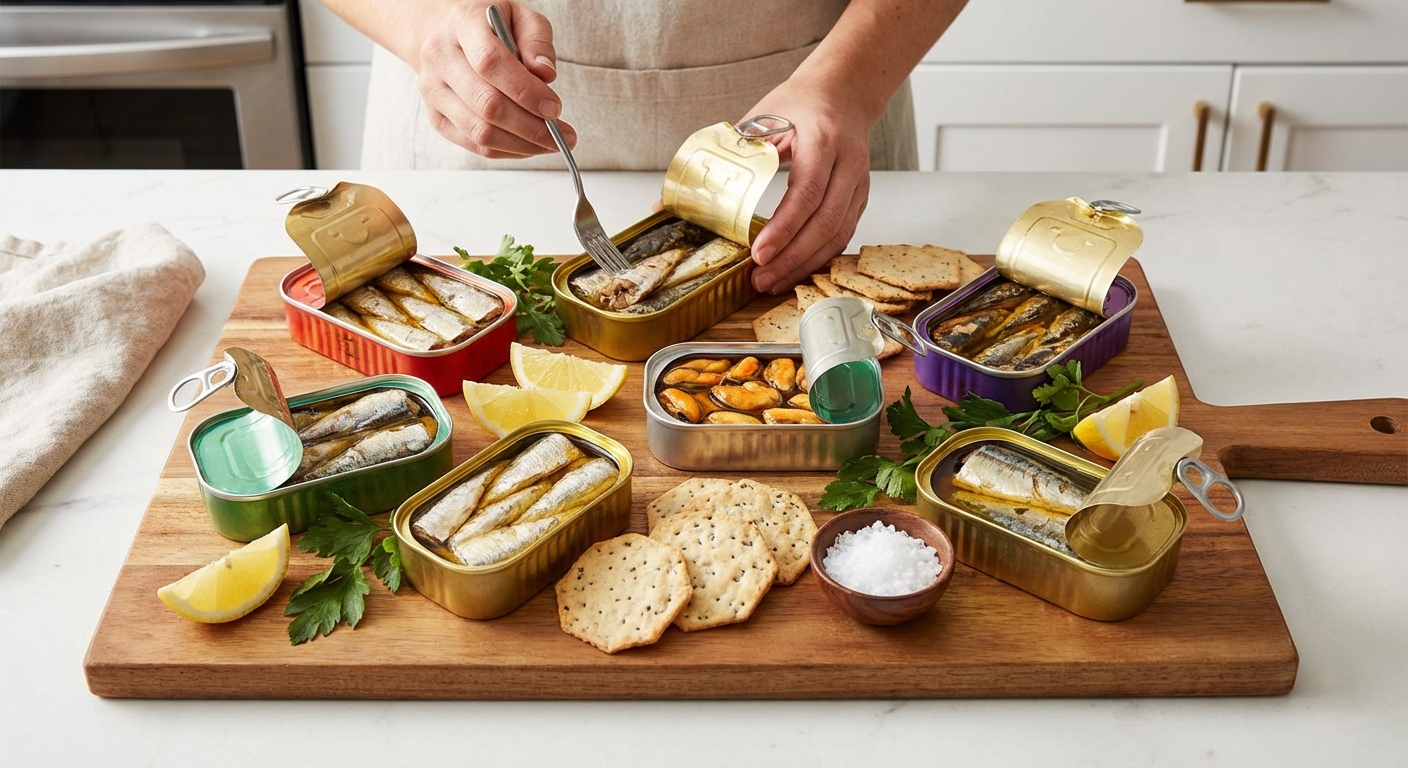
You’ve probably seen the videos. Someone opens a tin of sardines, arranges them on a plate with crackers and pickles, and films the whole thing like it’s a Michelin-star experience. The comments go wild. The views rack up. And suddenly, your entire feed is filled with people eating fish from a can.
Tinned fish became a viral trend thanks to TikTok creators showcasing premium canned seafood as an affordable luxury. The movement combines aesthetics, sustainability, and nostalgia while offering an accessible entry point into gourmet food culture. Gen Z and millennials have transformed humble pantry staples into Instagram-worthy meals, driving a market boom for artisanal brands and traditional Portuguese, Spanish, and Scandinavian products.
TikTok turned canned fish into content gold
The tinned fish explosion started on TikTok around 2021, but it really took off in 2022 and 2023. Creators began posting “tinned fish date night” videos, showing off colorful tins from specialty shops and arranging them on wooden boards with accompaniments.
The format was perfect for social media. Bright packaging. Satisfying peeling of tin lids. The reveal of perfectly preserved fish. Add some crusty bread, a drizzle of olive oil, and natural light, and you’ve got a video that stops the scroll.
Food influencers noticed that these posts performed incredibly well. The algorithm loved them. Viewers loved them. And unlike elaborate cooking videos, anyone could recreate a tinned fish board at home.
The hashtag #tinnedfishtok has racked up hundreds of millions of views. Smaller creators found their niche reviewing different brands and varieties. Larger food accounts jumped on the trend to ride the wave of engagement.
It’s actually affordable luxury
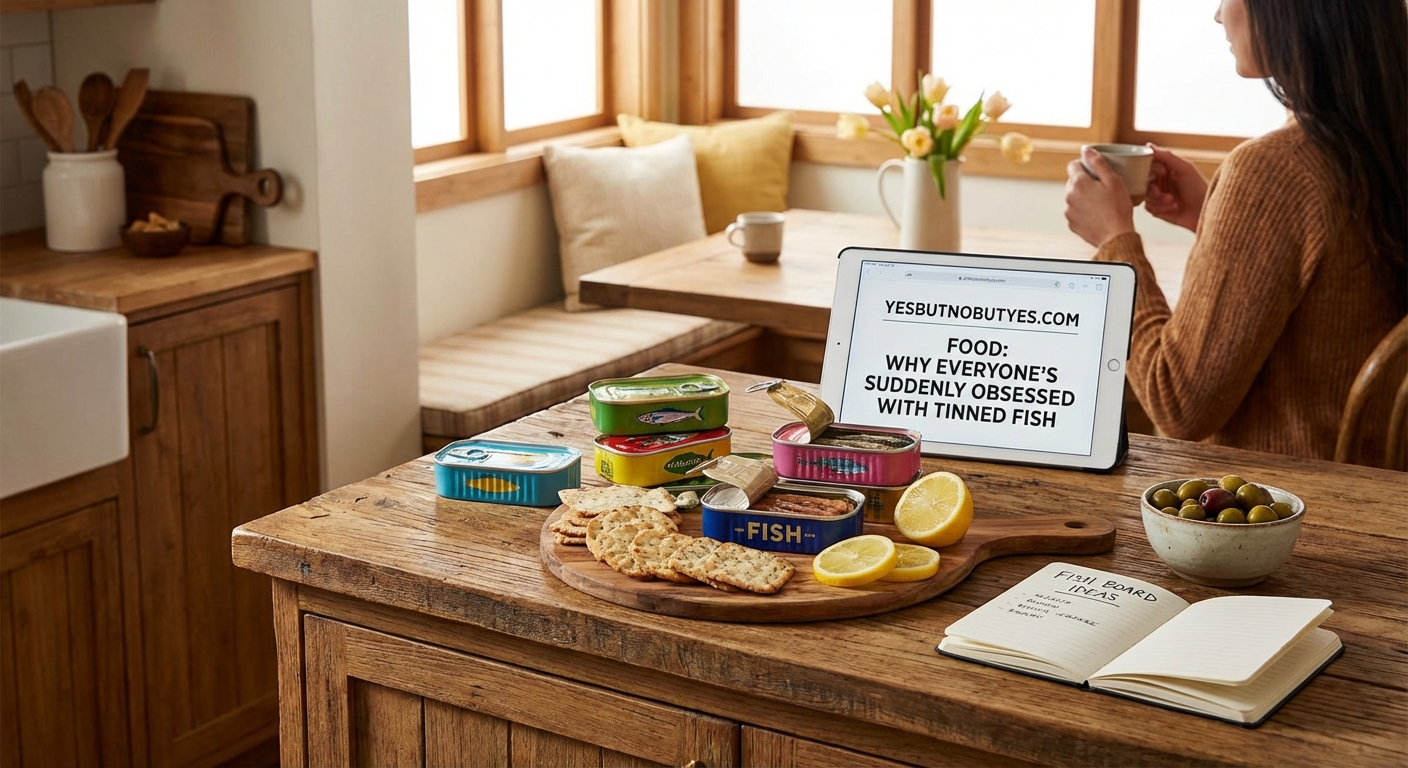
Here’s the thing that makes tinned fish different from other food trends. You don’t need to spend $200 at a fancy restaurant or master complicated techniques.
A tin of premium Spanish sardines might cost $8 to $15. That’s expensive for canned food, sure. But compared to fresh seafood or dining out, it’s accessible. You’re getting restaurant-quality ingredients at grocery store prices.
This matters for millennials and Gen Z, who grew up during economic uncertainty and are now dealing with inflation and student debt. Tinned fish offers a way to feel fancy without breaking the bank.
The trend also introduced people to specialty food shops they’d never visited before. Stores that focus on imported goods, gourmet pantry items, and artisanal products suddenly had lines of twenty-somethings looking for Portuguese conservas.
Online retailers saw massive spikes in tinned fish sales. Rainbow Tomatoes Garden, Fishwife, and other brands built entire businesses around making canned seafood cool and accessible.
Sustainability sells to younger consumers
Gen Z cares about where their food comes from. They want to know about fishing practices, carbon footprints, and ethical sourcing.
Tinned fish checks a lot of boxes. Many premium brands use sustainable fishing methods. The canning process preserves food without refrigeration, reducing energy use. There’s less food waste because the product has a long shelf life.
Small fish like sardines, anchovies, and mackerel are lower on the food chain. They reproduce faster than larger species and are less likely to be overfished. Eating them instead of tuna or salmon can be a more sustainable choice.
Brands leaned into this messaging. Packaging highlights sustainable certifications, traditional fishing methods, and family-owned canneries that have operated for generations.
For consumers who want to make better environmental choices but still enjoy seafood, tinned fish became an easy swap. No guilt, no compromise on taste.
The aesthetic is undeniably Instagram-worthy
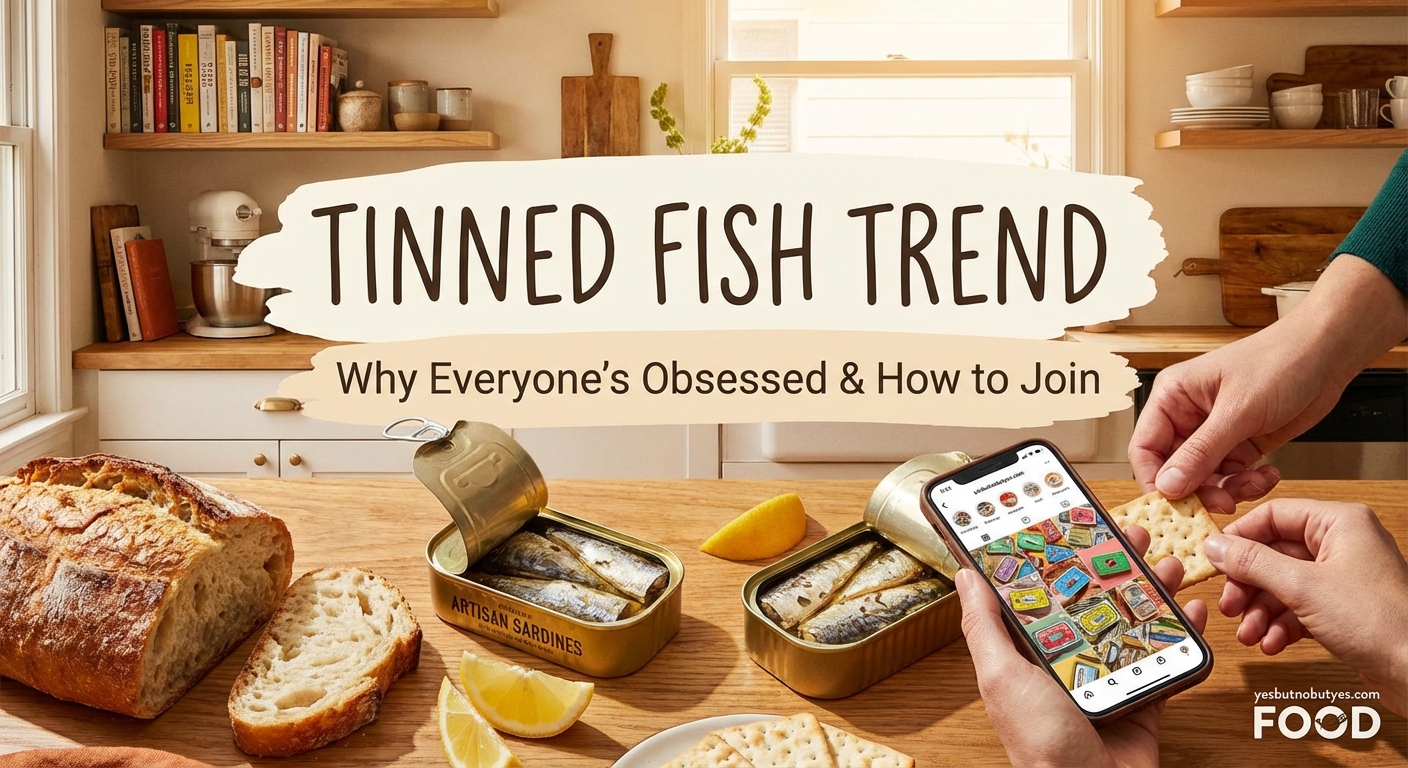
Let’s be honest. Tinned fish looks good on camera.
The vintage-inspired labels. The jewel-toned oils. The way the fish sits perfectly in the tin. It all photographs beautifully.
Food styling for tinned fish is simple but effective. You don’t need professional equipment or complicated plating. A wooden board, some good lighting, and a few complementary items create a shot that could go in a magazine.
This visual appeal made the trend shareable. People wanted to post their own tinned fish boards. They wanted to show off the cool tins they found. They wanted to be part of the aesthetic.
Brands caught on and started designing packaging specifically for social media. Bright colors, retro fonts, illustrated labels. Every tin became a tiny piece of art.
The unboxing experience matters too. Opening a tin, seeing the contents for the first time, and arranging everything on a plate became a ritual worth filming.
How to actually get into tinned fish
Starting your tinned fish journey doesn’t require a PhD in seafood. Here’s how to begin without feeling overwhelmed.
-
Pick a beginner-friendly variety like smoked trout, mackerel in olive oil, or lemon-marinated sardines. Skip the super fishy options until you’ve developed a taste for them.
-
Visit a specialty food store or order a sampler pack online. Many brands offer starter sets with three to five different tins so you can try multiple flavors.
-
Grab some simple accompaniments: crackers, crusty bread, pickles, olives, cherry tomatoes, and good butter. You don’t need fancy ingredients to make a great board.
-
Open your first tin and taste the fish on its own before adding anything. Notice the texture, the oil, the seasoning. This helps you understand what you’re working with.
-
Build your board by arranging the fish, bread, and accompaniments on a plate or cutting board. Don’t overthink the presentation. Casual looks better than fussy.
-
Experiment with pairings. Try different breads, add hot sauce, squeeze lemon over everything. Figure out what you actually enjoy instead of following rigid rules.
Common mistakes people make
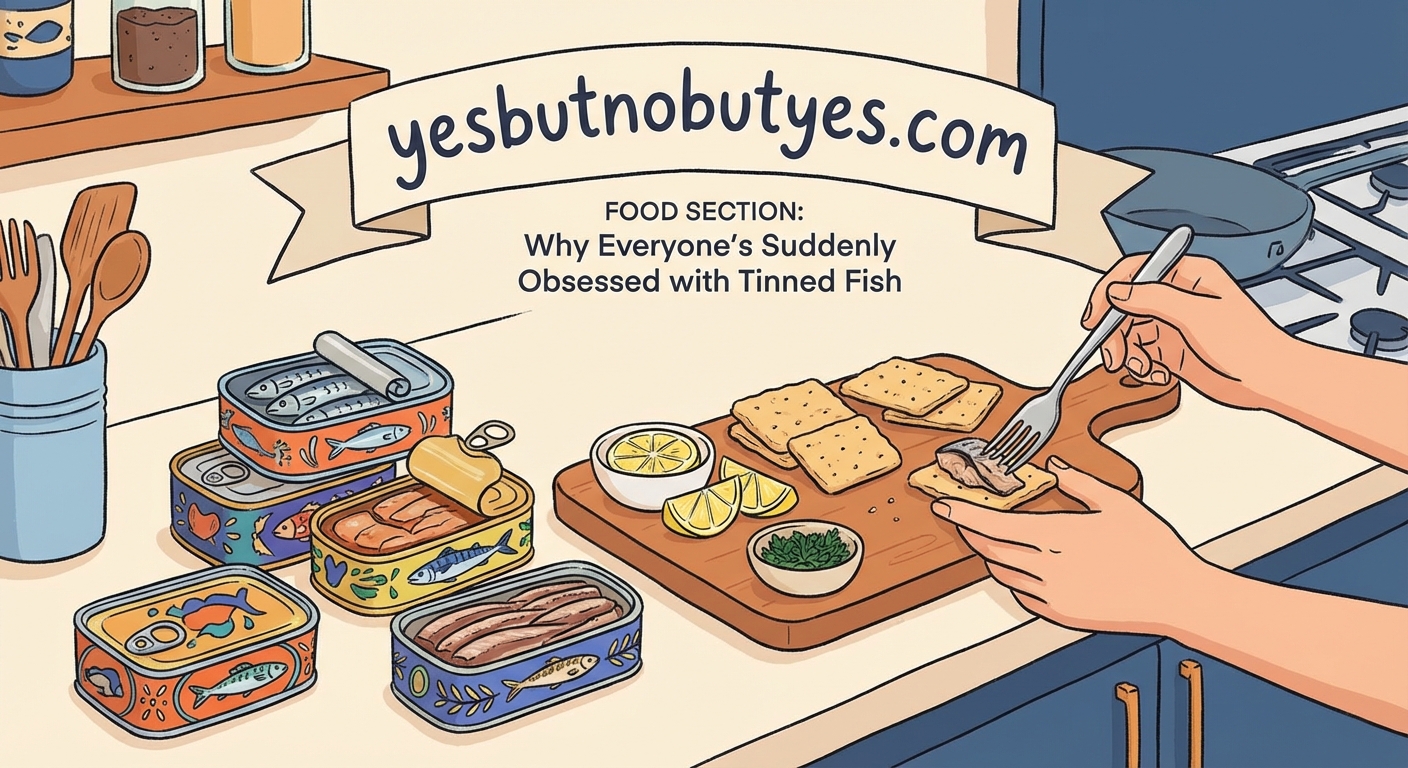
Even though tinned fish is simple, newcomers often stumble in predictable ways. Here’s what to avoid.
| Mistake | Why it happens | Better approach |
|---|---|---|
| Buying the cheapest tins possible | Assuming all canned fish is the same | Start with mid-range brands to understand quality differences |
| Draining all the oil | Thinking it’s unhealthy or unnecessary | The oil carries flavor and keeps the fish moist; save it for bread |
| Eating it straight from the tin without accompaniments | Not understanding how to balance flavors | Always have bread, crackers, or vegetables to cut the richness |
| Storing opened tins in the pantry | Not realizing they need refrigeration once opened | Transfer leftovers to a sealed container and refrigerate |
| Only trying one variety and giving up | Getting turned off by a single bad experience | Sample multiple types and brands before deciding it’s not for you |
The nostalgia factor runs deep
For many cultures, tinned fish isn’t new at all. Portuguese families have been eating conservas for generations. Scandinavian countries have long traditions of preserved seafood. Even in the U.S., sardines and tuna have been pantry staples for decades.
What changed is how younger generations are rediscovering these foods. There’s a romanticization of old-world food culture, of doing things the traditional way, of slowing down and appreciating simple ingredients.
Tinned fish connects people to their heritage. Second and third-generation immigrants are posting about the brands their grandparents ate. Others are discovering European food traditions for the first time and feeling connected to something bigger.
This nostalgia isn’t just about the past. It’s about rejecting the idea that newer is always better. It’s about finding value in things that have been around forever.
“Tinned fish represents a return to quality over convenience. We’re not looking for the fastest meal. We’re looking for the most satisfying one, even if it comes from a can.” – Food trend analyst commenting on the movement’s staying power
The market responded fast
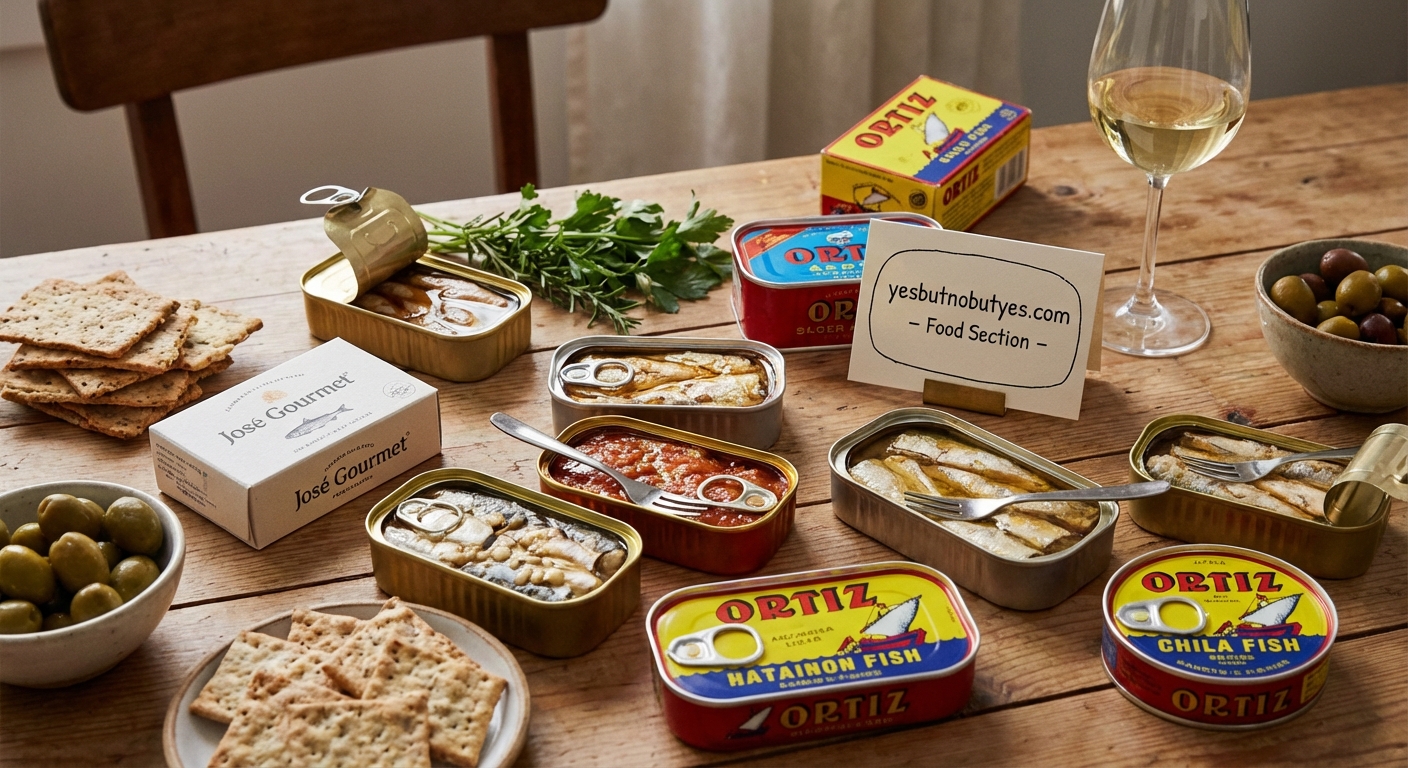
Grocery stores noticed the shift. Whole Foods expanded their tinned fish sections. Trader Joe’s introduced new varieties. Even mainstream supermarkets started carrying premium brands alongside the traditional tuna.
New companies launched specifically to capitalize on the trend. They focused on modern branding, transparent sourcing, and flavors designed for American palates.
Established European canneries saw American sales skyrocket. Products that had been regional favorites for a century suddenly shipped internationally to meet demand.
Restaurants got in on it too. Tinned fish sections appeared on menus at trendy wine bars and seafood spots. Some places built entire concepts around conservas, offering curated selections with wine pairings.
The economic impact has been real. Small fishing communities in Portugal and Spain saw renewed interest in their products. Traditional methods that seemed outdated suddenly became selling points.
Why this trend has actual staying power
Most food trends burn bright and fade fast. Remember when everyone was making whipped coffee? Yeah.
Tinned fish feels different. It’s not a gimmick or a single recipe that goes viral. It’s a whole category of food that people are genuinely incorporating into their regular eating habits.
The practical benefits matter. Long shelf life means you can stock up. No cooking required means it works for lazy dinners. Portability makes it great for picnics, travel, and office lunches.
The price point keeps it accessible. Even as inflation hits other groceries, tinned fish remains relatively affordable compared to fresh seafood.
And the variety prevents boredom. There are hundreds of brands, dozens of fish types, and endless flavor combinations. You could eat tinned fish every week and never repeat the same meal.
The community aspect helps too. Online groups dedicated to tinned fish reviews, recommendations, and recipes keep people engaged. It’s become a hobby, not just a meal.
What to buy when you’re ready to level up
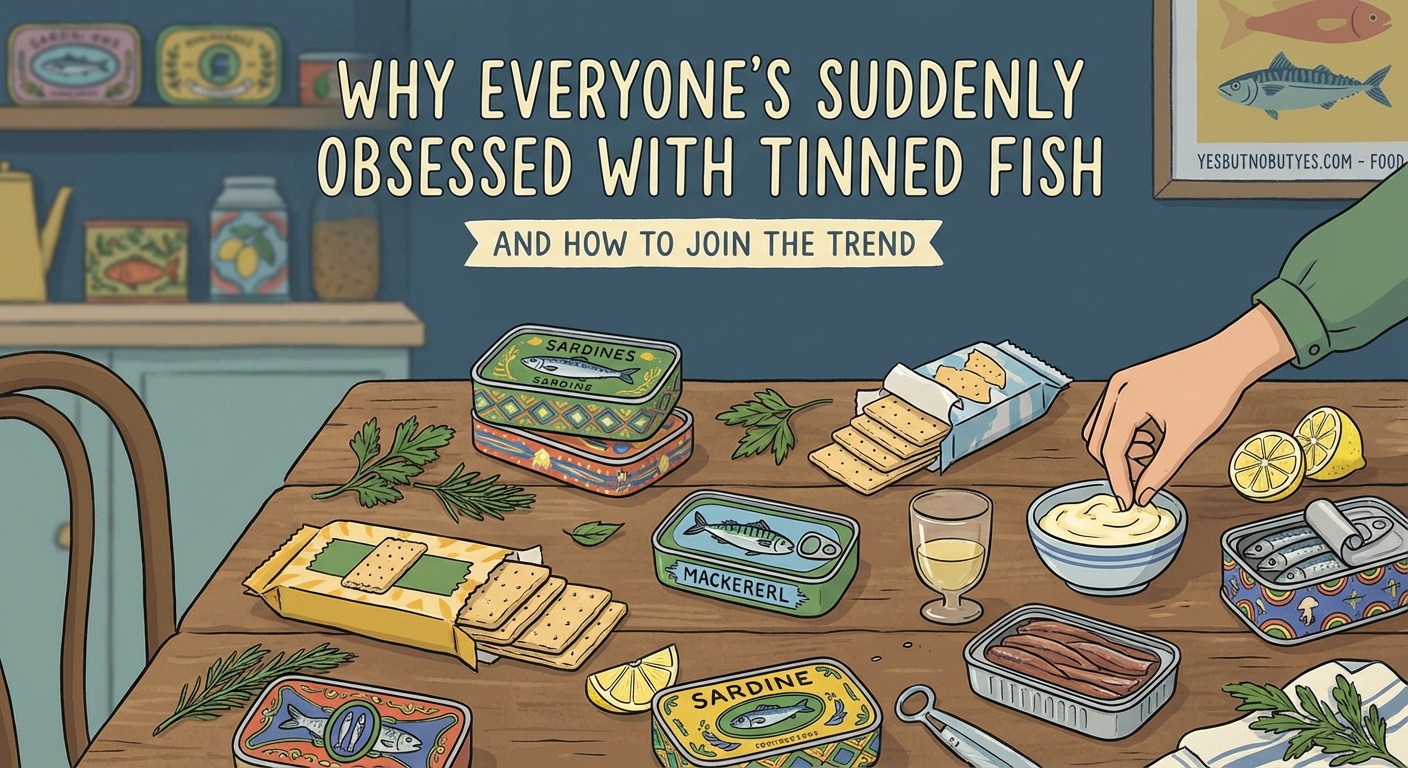
Once you’ve tried the basics, here’s where to go next:
- Octopus in olive oil: Tender, mild, and surprisingly meaty. Great on toast with a squeeze of lemon.
- Razor clams: Delicate and sweet. They look fancy but taste approachable.
- Smoked mussels: Rich and smoky. Perfect with crackers and hot sauce.
- White anchovies (boquerones): Completely different from pizza anchovies. Marinated in vinegar, mild, and addictive.
- Mackerel in tomato sauce: A Mediterranean classic. Eat it with crusty bread to soak up the sauce.
- Cockles: Tiny, briny, and full of ocean flavor. An acquired taste that’s worth acquiring.
Look for brands like Matiz, José Gourmet, Espinaler, or Patagonia Provisions. They’re widely available online and increasingly common in stores.
Your tinned fish era starts now
The best part about this trend is how low the barrier to entry really is. You don’t need special equipment, cooking skills, or a huge budget. You just need curiosity and a willingness to try something that might seem weird at first.
Start with one tin. Just one. Pick something that sounds good, grab some bread and butter, and see what happens. You might discover that canned fish isn’t just trending because of TikTok. It’s trending because it’s actually delicious, convenient, and satisfying in ways that fresh seafood sometimes isn’t. And once you open that first tin, you might just understand why everyone suddenly can’t stop talking about it.