Why Is Everyone Suddenly Buying Stanley Cups and Other Internet-Famous Water Bottles?
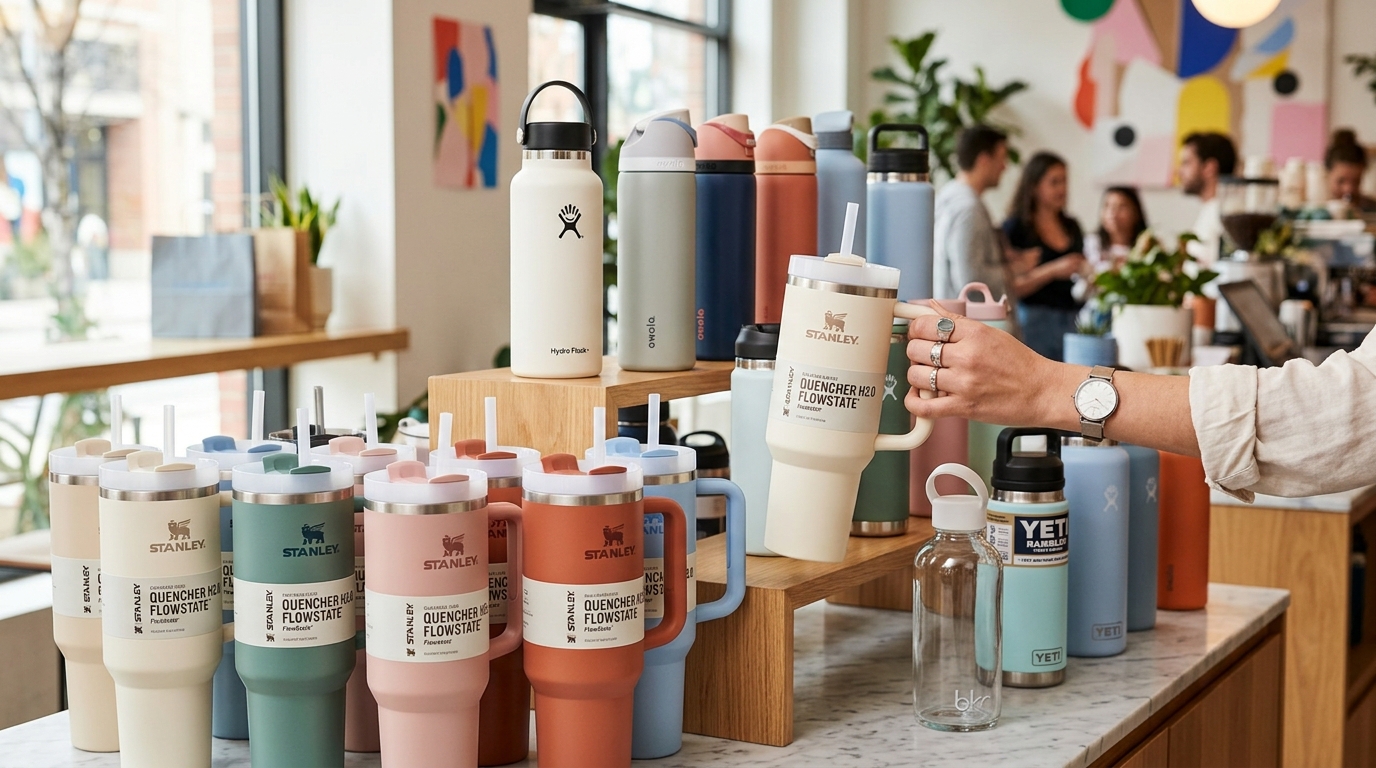
You’ve seen them everywhere. In your TikTok feed, at the gym, clutched in the hands of influencers and soccer moms alike. Those chunky, colorful tumblers with the handle and straw have taken over social media and shopping carts across the country. But Stanley has been making thermoses since 1913. So why did a 110-year-old brand suddenly become the hottest thing on the internet?
Stanley cups exploded in popularity thanks to a perfect storm of TikTok virality, limited-edition color drops, and their practical design that keeps drinks cold for hours. The brand transformed from a heritage outdoor company into a lifestyle status symbol by targeting women and creating collectible products that double as social media accessories. Their success proves that even century-old brands can go viral with the right marketing strategy.
The TikTok Effect That Changed Everything
Stanley cups didn’t go viral by accident. The brand’s transformation began around 2019 when they partnered with a popular blog called The Buy Guide. Three women who ran the site convinced Stanley to create the now-iconic Quencher tumbler in more colors and sizes specifically for women.
Before this pivot, Stanley primarily marketed to men who hunted, fished, and worked construction jobs. The products came in green and black. They sat in hardware stores, not on Instagram feeds.
The Buy Guide collaboration changed the game. Women started posting about their Stanley cups online. The algorithm picked up on the engagement. More people saw the posts. More people bought the cups. More people posted about them. The cycle fed itself.
Then came the car fire video. A woman’s car burned down, but her Stanley cup survived with ice still inside. That single TikTok video racked up millions of views and Stanley even bought her a new car. The durability demonstration was better than any advertisement the company could have created.
Why the Design Actually Works
The Stanley cup isn’t just pretty. The design solves real problems that other water bottles miss.
The handle makes it easy to carry. You can hook it on your finger while juggling your phone, keys, and everything else. The wide base fits in most cup holders. The straw means you don’t have to tilt the bottle to drink, which matters when you’re driving or working.
The 40-ounce size became the most popular for good reason. It holds enough water that you don’t need constant refills, but it’s not so massive that it becomes a burden. People who track their water intake love that they only need to finish two cups to hit their daily goal.
Here’s what makes the Stanley cup stand out from competitors:
- Double-wall vacuum insulation keeps drinks cold for up to 11 hours
- The straw design prevents spills and makes drinking easier
- Fits in car cup holders despite the large capacity
- Dishwasher safe for easy cleaning
- Durable enough to survive drops and daily wear
The Collector Mentality Takes Over
Stanley turned their cups into collectibles. Limited-edition colors drop regularly, creating artificial scarcity. People camp outside Target at 6 AM for new releases. Resellers buy dozens of cups and flip them online for triple the price.
The Valentine’s Day pink release caused chaos. The Starbucks collaboration sold out instantly. Seasonal colors become status symbols. Having multiple Stanley cups in different colors became normal, even expected.
This strategy mirrors what viral TikTok products that actually live up to the hype do best: create desire through scarcity and social proof.
| Release Strategy | Customer Response | Result |
|---|---|---|
| Limited color drops | Camping outside stores | Instant sellouts |
| Collaboration editions | Resale market boom | Increased brand value |
| Seasonal collections | Multiple purchases per customer | Higher revenue per buyer |
| Exclusive retailer partnerships | Store traffic increases | Retail relationships strengthen |
The Status Symbol Nobody Expected

A water bottle became a flex. Owning a Stanley cup, especially a rare color, signals that you’re in the know. You’re part of the club. You understand internet culture and trends.
The cup appears in carefully curated “what’s in my bag” videos. It sits prominently in home office backgrounds during Zoom calls. People coordinate their Stanley colors with their outfits and aesthetic.
“The Stanley cup phenomenon shows how a practical product can become a lifestyle accessory when it taps into community and identity. People aren’t just buying a water bottle. They’re buying membership in a cultural moment.” – Social media marketing analyst
The price point matters too. At around $45, a Stanley cup is expensive enough to feel special but not so pricey that it’s completely out of reach. It’s an accessible luxury. You can’t afford a designer handbag, but you can treat yourself to a premium water bottle.
How to Get Your Hands on One
Finding a Stanley cup, especially a popular color, requires strategy. Here’s how to increase your chances:
- Follow Stanley’s official social media accounts for drop announcements
- Set up alerts for restock notifications on major retailer websites
- Join Stanley collector groups on Facebook where members share tips and sightings
- Check stores early in the morning when new shipments arrive
- Consider standard colors if you just want the functionality without the hunt
Some people think the chase is part of the appeal. The difficulty of obtaining certain colors makes them more desirable. Others find the whole thing exhausting and opt for dupes that work just as well.
The Environmental Question Nobody Wants to Ask
Here’s the uncomfortable truth: buying multiple $45 water bottles to match your mood defeats the environmental purpose of using a reusable bottle. The production of each cup requires significant resources and energy.
Stanley cups are built to last a lifetime. That’s the original selling point. But when people own ten or twenty of them, the sustainability argument falls apart. The cups become more about consumption than conservation.
The company markets durability and reusability. Customers buy them like disposable fashion accessories. This contradiction highlights how even well-intentioned products can become part of overconsumption culture when they go viral.
What Makes People Keep Buying
The Stanley phenomenon continues because the company keeps feeding it. New colors drop regularly. Collaborations with brands and influencers create fresh excitement. The cups actually work well, so users become genuine advocates.
The community aspect matters too. Stanley cup owners form online groups. They trade colors. They share where to find rare editions. They post photos of their collections. This social element transforms a simple product into a shared experience.
Parents buy them for their kids. College students use them as dorm room accessories. Gym enthusiasts swear by them. The cup crosses demographic boundaries in ways most products never achieve.
The following factors keep the momentum going:
- Consistent product quality that justifies the price
- Regular new releases that give people reasons to buy again
- Strong social media presence and community engagement
- Practical functionality that makes daily use genuinely convenient
- Status signaling that makes the cup more than just a container
The Competition Heats Up
Other brands noticed Stanley’s success. Owala, Simple Modern, and dozens of others now make similar tumblers. Some cost less. Some claim better insulation. A few offer more color options.
But Stanley has the brand recognition now. They have the cultural cachet. Competitors face the same challenge as any brand trying to replicate viral success: you can copy the product, but you can’t manufacture the moment.
Some people prefer the alternatives. They work just as well and don’t require hunting for stock or paying resale prices. The functionality is nearly identical across quality brands. The difference is the logo and the social currency it carries.
When the Trend Will Actually End
Every trend eventually fades. Stanley cups will too. But the timeline is hard to predict. The company has sustained momentum longer than most viral products by constantly innovating their marketing and release strategies.
Signs that the peak may be passing include increased availability, declining resale prices, and fewer social media posts. But as of now, the cups remain difficult to find in popular colors. The community stays engaged. New buyers keep entering the market.
The brand’s century-long history suggests they’ll survive the eventual cooldown. They existed before TikTok and they’ll exist after. The question is whether they can maintain their elevated status or if they’ll return to being a solid but unremarkable outdoor brand.
Some trends from the past decade burned bright and disappeared like internet trends from 2010 that would flop today. Others evolved into lasting cultural fixtures. Stanley’s fate depends on whether they can transition from viral sensation to enduring lifestyle brand.
The Real Reason Behind the Obsession
Strip away the marketing and the hype, and Stanley cups are popular because they work. The insulation is excellent. The design is practical. The durability is real. These functional benefits provide the foundation that allows the cultural phenomenon to build on top.
But functionality alone doesn’t create viral success. Plenty of great products never gain traction. Stanley succeeded because they combined quality with perfect timing, smart marketing, and an understanding of how social media drives purchasing decisions.
The cups also arrived during a broader shift toward reusable products and personal hydration tracking. People already wanted to drink more water and reduce plastic waste. Stanley gave them a way to do both while looking good and feeling part of something bigger.
The psychology of collection plays a role too. Humans like completing sets and acquiring variations. Stanley tapped into this by making their cups collectible without calling them collectibles. Each new color is a reason to buy again.
Should You Actually Buy One?
If you need a quality insulated tumbler and you like the design, a Stanley cup is a solid purchase. The product performs as advertised. It will last for years. You’ll use it daily.
If you’re buying it solely because it’s trendy or you want to collect every color, consider whether that aligns with your actual needs and values. The cup works great, but owning one in every shade doesn’t make it work ten times better.
For people who genuinely struggle to drink enough water, the Stanley cup can help. Having a large, attractive bottle that keeps water cold encourages hydration. The straw makes drinking easier. The size means fewer refills. These practical benefits matter more than the social media clout.
Compare your options before committing. Other brands offer similar performance at lower prices. The Stanley name carries a premium that you might not care about if you’re not invested in the cultural aspect.
Why This Matters for Future Trends
The Stanley cup phenomenon teaches us how modern viral marketing works. A heritage brand successfully reinvented itself by understanding its new audience. They created scarcity, built community, and turned a utilitarian product into a lifestyle statement.
Other companies are studying this playbook. Expect more “limited drops” of everyday items. More collaborations between unlikely partners. More products that blur the line between functional tool and fashion accessory.
The trend also shows how quickly consumer behavior can shift. A product that sat unchanged for decades suddenly became a must-have item because the right people started talking about it in the right places. Traditional advertising couldn’t have created this result. Organic social media buzz, carefully cultivated, accomplished what millions in ad spending never could.
The Bottom Line on Stanley Mania
Stanley cups became popular through a combination of smart repositioning, functional design, viral marketing, and perfect timing. The brand transformed from outdated to essential by understanding that their product could be more than a thermos. It could be an accessory, a status symbol, and a community identifier.
The cups actually work well, which gives the hype a foundation of legitimacy. But the obsession goes beyond performance. People buy them to feel connected, current, and part of something. They collect them because it’s fun and because others do too.
Whether the trend lasts another year or another decade, Stanley has already secured its place in internet culture history. They proved that any brand, regardless of age or previous positioning, can capture lightning in a bottle if they understand their audience and adapt accordingly.
So why are Stanley cups so popular? Because they’re good products that became great symbols at exactly the right moment. And because sometimes, a water bottle is never just a water bottle.