Why Your Phone Knows What You Want Before You Do
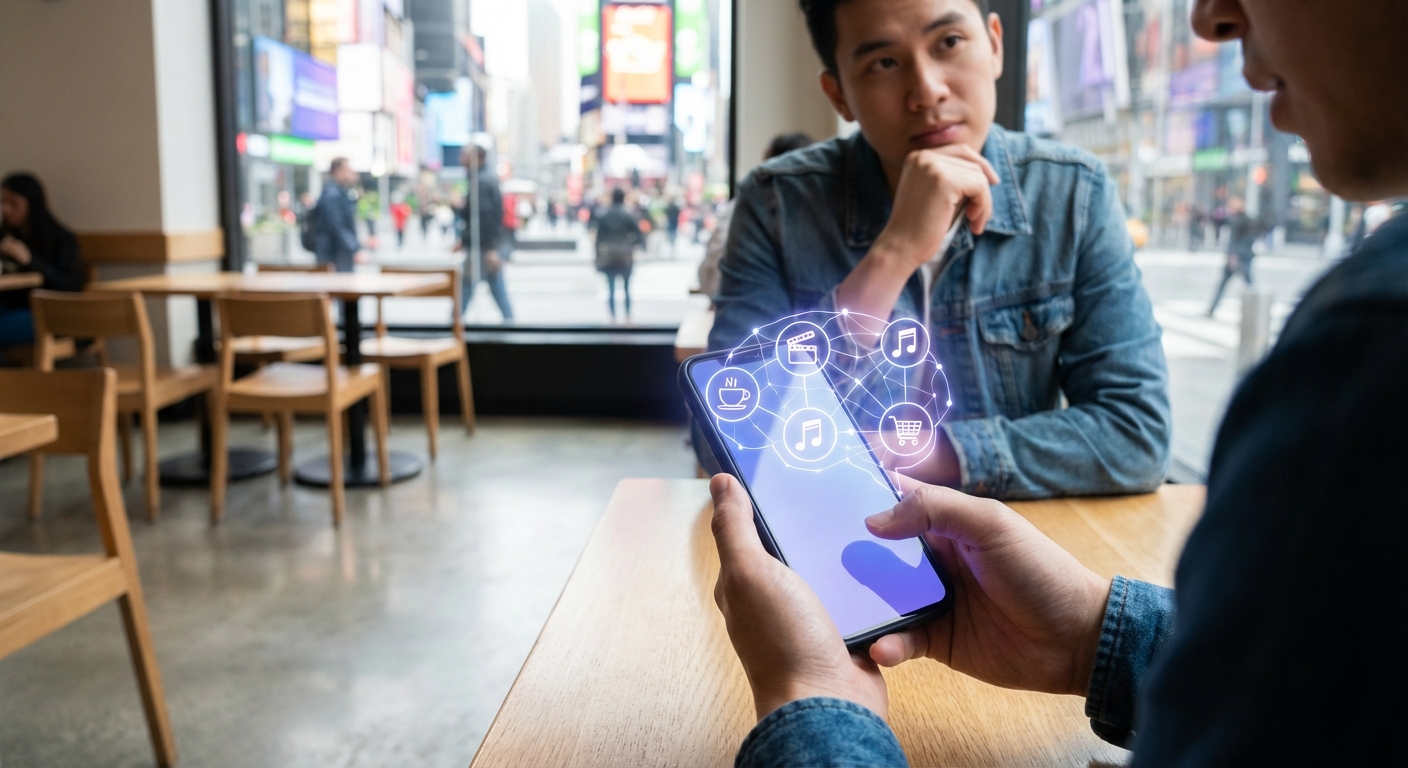
You open Instagram and see an ad for running shoes. You were just talking about joining a gym yesterday. Coincidence? Not really. Your phone collects dozens of data points every hour, building a detailed profile of your habits, interests, and future needs. The result feels like mind reading, but it’s actually sophisticated pattern recognition powered by machine learning algorithms.
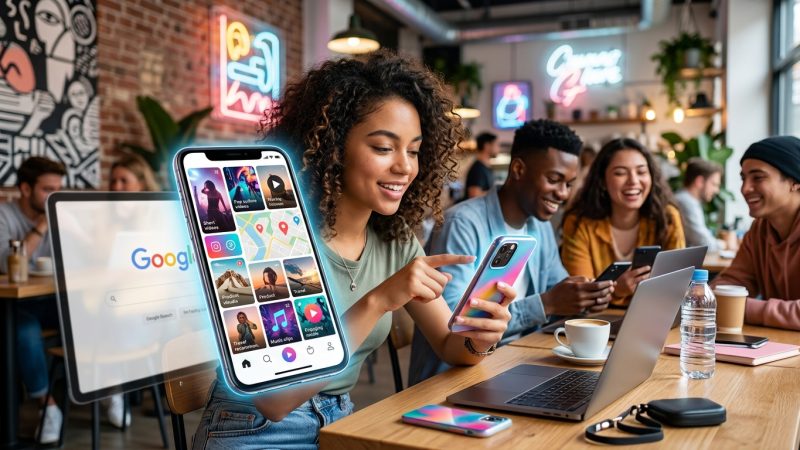
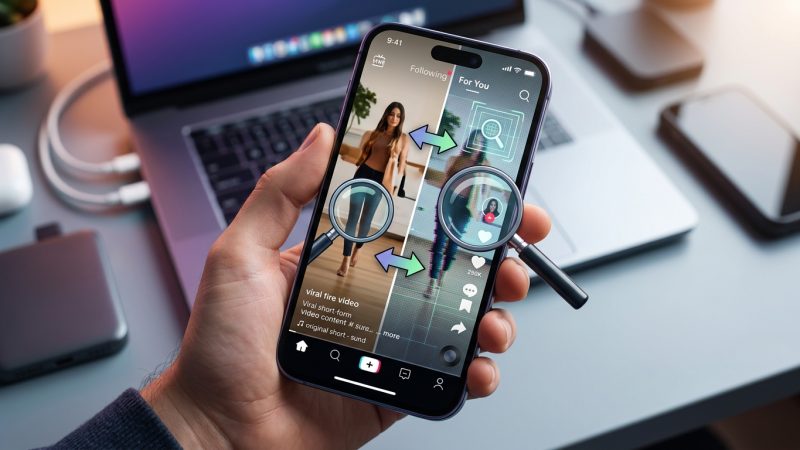
Your smartphone doesn’t read your thoughts. It analyzes your location history, app usage, search queries, social media activity, and purchase patterns to predict what you’ll want next. Combined with demographic data and AI algorithms, these signals create eerily accurate recommendations that feel psychic but are actually based on behavioral patterns shared by millions of users with similar profiles.
The data your phone collects every day
Your device tracks more information than you probably realize. Every tap, swipe, and pause gets logged somewhere.
Location services run constantly in the background. Even when you’re not actively using maps, your phone records where you go, how long you stay, and which routes you take. Visit a coffee shop three mornings in a row? The system notices. Algorithms start predicting you’ll return and might serve ads for competing cafes or loyalty programs.
Search history provides direct insight into your interests. Type “best hiking boots” into Google, and that query gets stored and analyzed. The system doesn’t just remember the search. It infers you might be planning outdoor activities, which opens the door for camping gear ads, trail guide recommendations, and weather app notifications.
App usage patterns reveal your daily rhythm. Open Twitter at 7 AM every morning? Your phone learns this habit. Check your banking app on the 1st of each month? That pattern gets recorded. These timing signals help algorithms predict when you’re most likely to engage with certain content types.
Social media activity offers a goldmine of preference data. Every like, comment, share, and profile visit tells the algorithm something about your interests. Follow ten food bloggers? You’ll see more recipe content. Watch makeup tutorials? Beauty product ads multiply.
Purchase history connects your browsing to actual spending. Buy something online, and that transaction data often gets shared across advertising networks. The item, price point, and category all become factors in future predictions.
How predictive algorithms actually work
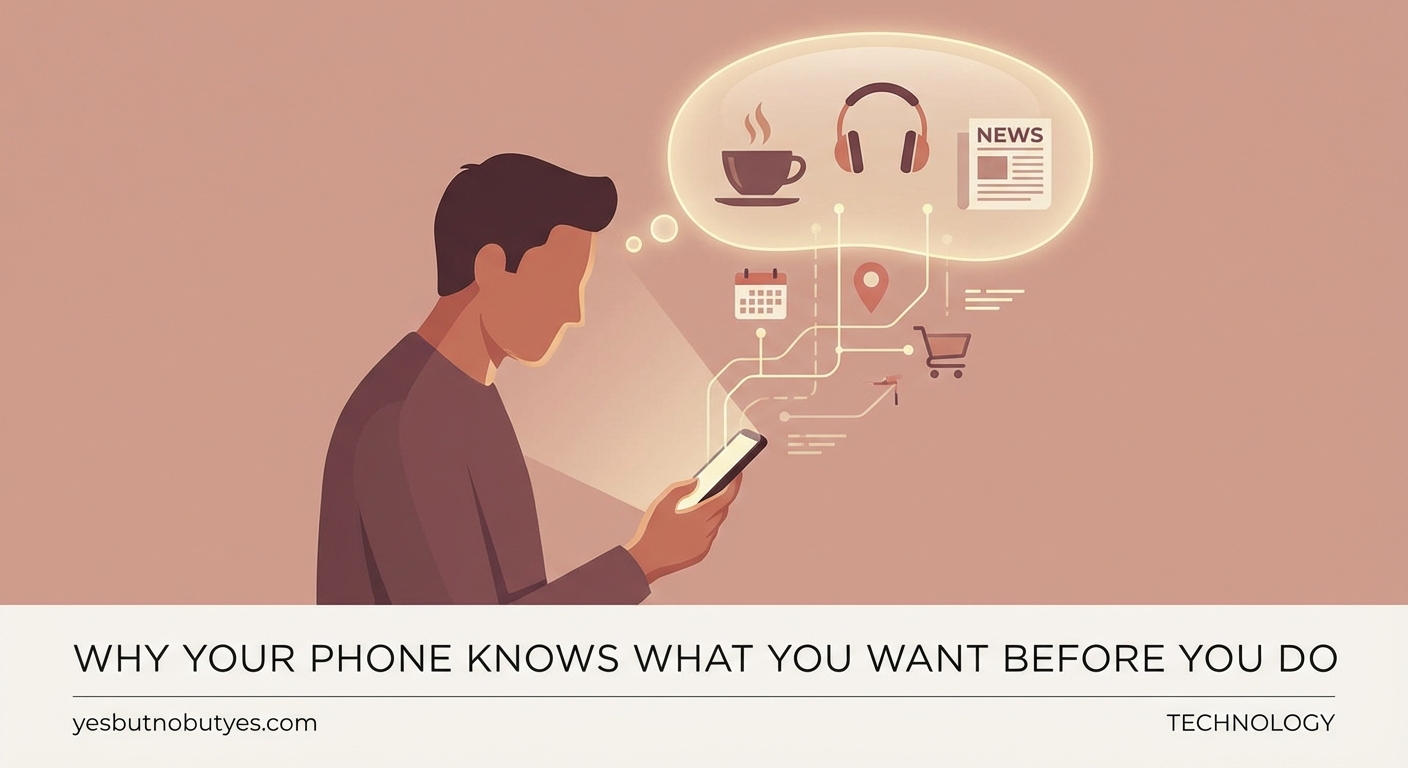
Machine learning models process your data through multiple layers of analysis. These systems don’t just look at individual actions. They identify patterns across time and context.
The algorithms compare your behavior to millions of other users. If people who searched for “best hiking boots” also frequently searched for “national park camping” within two weeks, the system assumes you might follow the same pattern. This collaborative filtering approach powers most recommendation engines.
Timing plays a huge role in predictions. The system notes not just what you do but when you do it. Search for pizza places on Friday nights? You’ll get more food delivery ads as the weekend approaches. Browse travel sites in January? Expect vacation package promotions.
Contextual signals add another dimension. Your phone knows if you’re moving or stationary, at home or at work, alone or in a crowded area. These environmental factors help refine predictions. Standing in a shopping mall? Retail ads increase. Near a movie theater? Film trailers appear.
Sentiment analysis examines the emotional tone of your content consumption. Watching sad movies? The algorithm might recommend comfort food or self-care products. Engaging with motivational content? Fitness and productivity apps get promoted.
Here’s how different data types contribute to predictions:
| Data Type | What It Reveals | How It’s Used |
|---|---|---|
| Location history | Where you go regularly | Local business ads, event recommendations |
| Search queries | Direct interest signals | Product ads, content suggestions |
| App usage time | Daily habits and routines | Notification timing, content delivery |
| Social engagement | Preference indicators | Friend suggestions, trending topics |
| Purchase records | Spending patterns | Price-targeted ads, brand recommendations |
| Voice assistant queries | Immediate needs | Real-time suggestions, proactive alerts |
The role of third-party data brokers
Your phone doesn’t work alone. Data brokers aggregate information from hundreds of sources to create comprehensive consumer profiles.
These companies purchase data from retailers, credit card companies, loyalty programs, and public records. They combine it with your digital footprint to build a 360-degree view of your life. Age, income level, family status, homeownership, vehicle type, and even political leanings get estimated and packaged.
The profiles get incredibly specific. Categories might include “suburban soccer parent,” “urban tech enthusiast,” or “budget-conscious college student.” Advertisers purchase access to these segments, targeting users who match desired characteristics.
Cross-device tracking connects your phone to your laptop, tablet, and smart TV. Cookies and device fingerprinting techniques follow you across platforms. Search for something on your computer? Your phone shows related ads because the system recognizes both devices belong to you.
Why the predictions feel so accurate
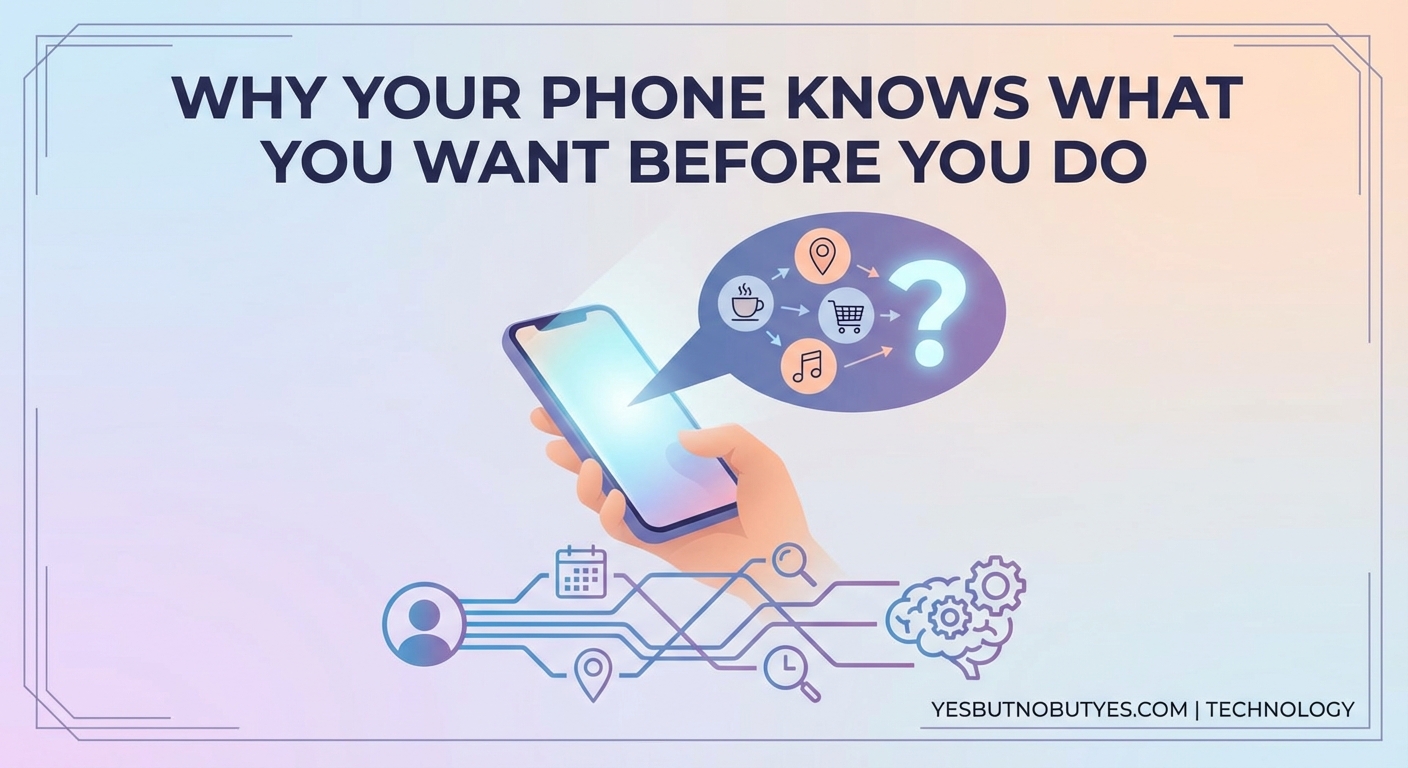
The creepiness factor comes from confirmation bias and selective memory. You notice when predictions hit the mark but forget the dozens of irrelevant ads you scroll past daily.
The average person sees between 4,000 and 10,000 ads per day across all platforms. We only remember the handful that feel personally relevant, creating the illusion that every prediction is accurate when the actual hit rate is much lower.
Recency effects amplify the mind-reading sensation. When you see an ad for something you just discussed or searched for, the timing makes it feel invasive. The algorithm simply prioritized recent signals, knowing fresh interests generate higher engagement rates.
The Baader-Meinhof phenomenon makes you notice things more after they enter your awareness. Once you see that first ad for hiking boots, you suddenly spot outdoor gear promotions everywhere. They were always there. Your brain just started paying attention.
Common tracking methods you might not know about
Beyond obvious data collection, several sneaky techniques operate behind the scenes.
Ultrasonic beacons in stores and commercials emit sounds your ears can’t detect but your phone’s microphone picks up. Apps with audio permissions can listen for these signals, confirming you watched a specific TV ad or visited a particular retail location.
Wi-Fi and Bluetooth scanning identifies nearby networks and devices even when you’re not connected. Stores use this to track foot traffic patterns and dwell times. The MAC address of your phone becomes a unique identifier.
Accelerometer and gyroscope data reveals how you hold your phone, your walking patterns, and even typing rhythms. This biometric information helps distinguish you from other users of the same device.
Clipboard monitoring allows apps to see what you’ve copied. Type a promo code or address into one app, and another app might read that clipboard data to serve relevant content.
Here are steps to limit predictive tracking:
-
Turn off location services for apps that don’t need them. Check Settings > Privacy > Location Services and switch most apps to “Never” or “While Using.”
-
Disable ad personalization in your phone’s privacy settings. iOS users can limit ad tracking under Settings > Privacy > Tracking. Android users should visit Settings > Google > Ads and reset their advertising ID.
-
Use private browsing modes and clear cookies regularly. This breaks the connection between browsing sessions, making it harder to build long-term profiles.
-
Review app permissions monthly. Remove microphone, camera, and contact access from apps that don’t require these features for core functionality.
-
Install browser extensions that block third-party trackers. Tools like Privacy Badger and uBlock Origin prevent many tracking scripts from loading.
-
Opt out of data broker databases. Visit sites like the Digital Advertising Alliance’s opt-out page to remove yourself from major advertising networks.
The microphone debate
Many people believe their phones actively listen to conversations and serve ads based on spoken words. The evidence for constant audio surveillance remains thin, but the perception persists.
Apps technically could access your microphone if you’ve granted permission. Facebook, Instagram, and other platforms have those permissions for video calls and voice messages. Whether they use that access for ad targeting is hotly debated.
Several factors explain why ads seem to match recent conversations without actual eavesdropping:
- You and your friends share similar demographic profiles, so you see similar ads
- The topic was already in your search history or browsing patterns
- Confirmation bias makes coincidental matches feel significant
- Location data reveals you were together, triggering shared interest assumptions
Independent researchers have analyzed network traffic from popular apps and found no evidence of continuous audio streaming to servers. Constant listening would drain batteries and generate massive data uploads that would be easily detectable.
That said, voice assistants like Siri, Google Assistant, and Alexa definitely listen for wake words. Those systems process audio locally until they hear their trigger phrase, then send recordings to servers. Accidental activations happen regularly.
Taking back some control
You can’t completely escape predictive algorithms without abandoning smartphones entirely, but you can reduce their accuracy.
Poisoning your data profile with random searches and app downloads confuses the algorithms. If you occasionally search for things completely outside your interests, the system struggles to build a coherent picture. This technique requires consistency to work.
Using multiple browsers and clearing cookies between sessions breaks tracking chains. Sign out of Google and Facebook when not actively using them. These platforms track you across millions of websites through embedded buttons and analytics code.
Paying for ad-free versions of apps removes one incentive for data collection. Services still gather usage information, but they’re less motivated to sell detailed profiles when subscription revenue covers costs.
Reading privacy policies actually helps, despite their length. Look for sections about data sharing with third parties and opt out where possible. Many services offer granular privacy controls buried in settings menus.
Consider a privacy-focused phone operating system like GrapheneOS or CalyxOS. These alternatives strip out Google services and tracking features, though they require technical knowledge to install and sacrifice some app compatibility.
Your phone knows you better than you think
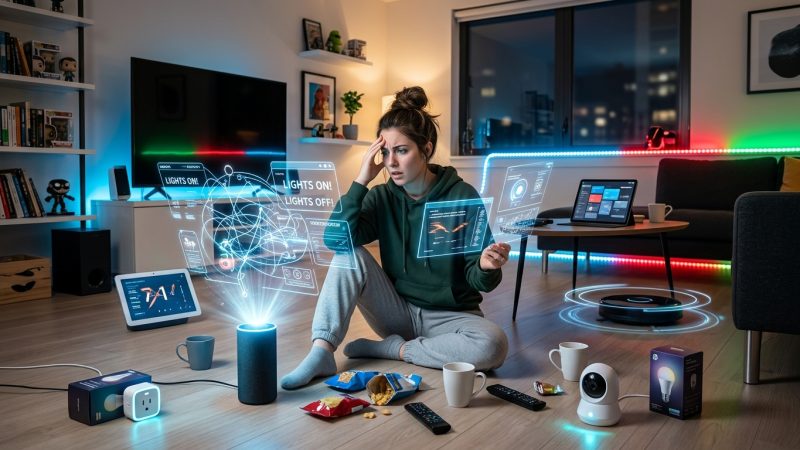
The predictive accuracy will only improve as algorithms get smarter and data collection becomes more comprehensive. Wearable devices add health metrics. Smart home gadgets contribute behavior patterns. Connected cars track driving habits.
The trade-off between convenience and privacy grows more complex. Personalized recommendations save time and introduce you to products you genuinely want. But that same technology enables manipulation, price discrimination, and surveillance.
Understanding how your phone predicts your needs helps you make informed choices about which data to share and which privacy protections to enable. The system isn’t actually reading your mind. It’s reading your patterns. And patterns, unlike thoughts, leave trails you can choose to obscure.