The 12 Most Absurd Product Placements in 2026 Movies (You Won’t Believe #7)
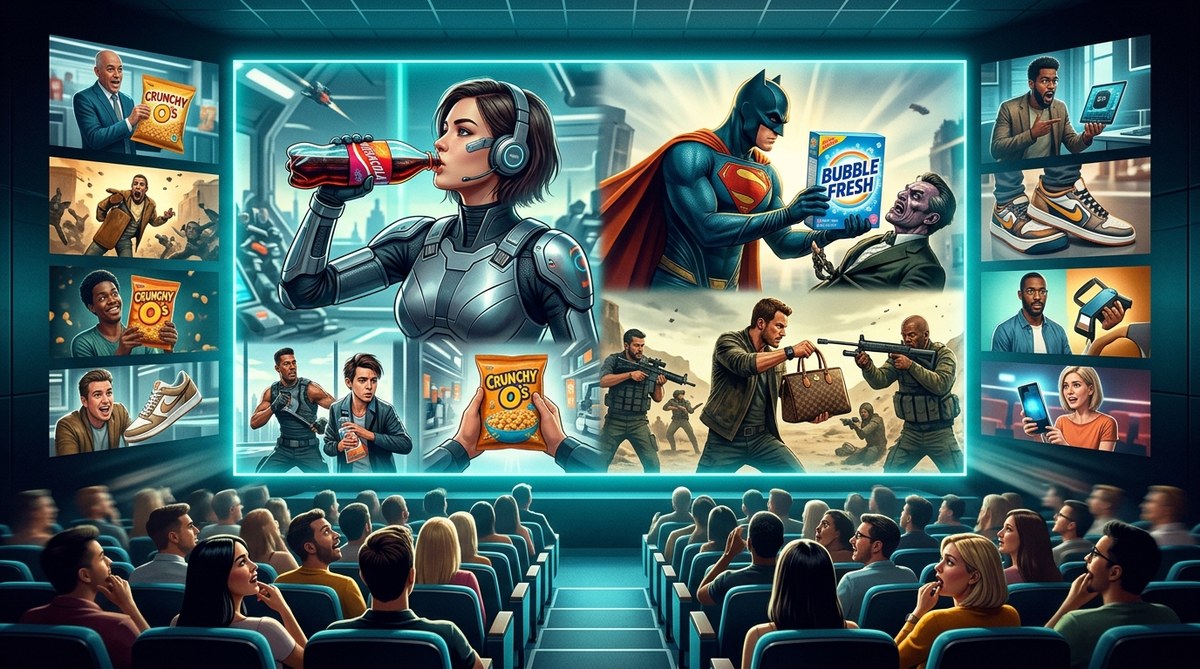
Some movies just want to sell you something. That is not a new idea. Studios have been sneaking brands into films for decades. But 2026 took it to a whole new level. We are talking about moments so forced, so shameless, that they yank you right out of the story. You stop caring about the hero. You start counting logos. It is a beautiful disaster.
The worst product placements in movies fail because they break immersion, repeat a brand too often, or force characters into unnatural moments. When done poorly, they pull viewers out of the story and turn dramatic scenes into accidental comedy. This guide breaks down the most absurd examples from 2026 cinema and explains why they miss the mark.
## Why Product Placement Keeps Getting Worse
Product placement is a necessary evil. Studios need funding. Brands want screen time. But somewhere along the way, the balance tipped. A soda can used to sit on a table. Now it gets its own emotional arc.
The worst product placements in movies share one trait: they break the illusion. You stop seeing the character. You start seeing the ad. When a hero pauses mid chase to sip an energy drink, the spell is gone.
2026 gave us some truly wild examples. Some made us laugh. Some made us groan. A few made us wonder if the director was being paid by the second.
## What Makes a Product Placement Terrible?
Not all brand appearances are bad. A character drinking a recognizable soda feels natural. A character delivering a sales pitch for that soda feels like a commercial.
The worst offenders share common traits:
– The product gets dialogue instead of just existing in the background
– The camera lingers on logos like it is shooting a commercial
– Characters behave unrealistically just to use the item
– The product solves a plot problem with zero logic
– The brand name is repeated multiple times in one scene
When done well, product placement can add realism. When done badly, it yanks you right out of the story. You stop seeing the character. You see a walking billboard.
This guide breaks down the most absurd examples from 2026 movies, why they failed, and how to spot the same mistake in films you watch.
## What Makes a Product Placement Truly Terrible?
Not all product placement is bad. A character drinking a recognizable soda can feel natural. A hero using a specific car brand can ground a story. The problem starts when the brand becomes the star.
You know the moment. The camera lingers. The dialogue name-drops. The plot suddenly pauses so someone can explain why this snack is “the best on Earth.” It pulls you out of the story and reminds you that you are watching a commercial with a movie wrapped around it.
The worst offenders share common traits:
– The product solves a plot problem out of nowhere
– Characters deliver dialogue that sounds like a press release
– The brand appears in impossible or illogical situations
– The camera treats the product like a celebrity cameo
– The placement interrupts the emotional flow of a scene
When these elements stack up, audiences stop seeing a movie. They see an ad. And that is when the internet starts making memes.
Why Studios Still Take the Risk
Product placement pays for explosions, practical effects, and A list casts. Without brand deals, many big budget films would lose millions before release. Studios often cover production costs through these partnerships. That is why you see a hero grab a branded soda in the middle of a chase scene. It is not an accident. It is a contract.
The problem is not that brands appear in movies. The problem is when the brand becomes the star. When the scene stops making sense just to show a logo, audiences notice. And they roast it online.
Some placements work because they feel natural. A character drinking a recognizable soda in a diner? Fine. A character pausing mid explosion to admire a smartphone? That is where the absurdity begins.
The Fine Line Between Clever and Cringe
Product placement is not automatically bad. In fact, the best examples hide in plain sight. Think of a character grabbing a specific beer because it is their favorite. That feels real. It tells us something about them. The problem starts when the product becomes the scene, not the character.
The worst product placements in movies usually share a few traits. They interrupt the story. They feel forced. They treat the audience like they cannot see what is happening. And sometimes, they are so bold that they become unintentional comedy.
Why Product Placement Goes Wrong
Studios need money. That is no secret. But when a brand deal takes over the story, the movie suffers. Audiences notice. They roll their eyes. They tweet about it. And sometimes, the placement becomes more memorable than the film itself.
Here is what separates a subtle placement from a cringe moment:
| Good Placement | Bad Placement |
| — | — |
| Feels natural to the scene | Camera lingers on the logo |
| The character uses the item with purpose | Characters name the brand out of nowhere |
| One visual moment, then move on | Dialogue stops to explain the product |
| Serves the story or setting | Interrupts the story for an ad |
| The brand fits the character | The brand makes no sense for the character |
—
## The Fine Art of Selling Out
Product placement is not new. It has been around for decades. But in 2026, movies have pushed it to a whole new level. Some placements are so clumsy they pull you right out of the story. You sit there thinking, “Wait, did that character just give a 30 second monologue about a soda?” Yes. Yes, they did.
The worst product placements in movies share a few common traits. They feel forced. They break character. They pause the action so a logo can fill the frame. And sometimes they rewrite entire scenes just to make a brand look heroic.
Before we dive into the most absurd examples, let’s set some ground rules. A good product placement disappears into the world. It feels natural. A bad one slaps you in the face and asks if you are watching.
Here is what separates a subtle nod from a cringe fest:
– The product solves a problem that only exists because the script needed it to.
– Characters stop what they are doing to praise the item out loud.
– The camera lingers on the logo for no story reason.
– A brand appears in a historical or fantasy setting where it makes no sense.
– The product is used in a way that defies logic, physics, or basic common sense.
—
Product placement works best when it feels invisible. The worst examples yank you out of the story because they put a brand above the plot. From soda cans that save the day to sneakers that defy gravity, these 2026 films prove that a logo alone cannot fix a weak scene. This guide ranks the most absurd placements and explains why they fail so hard.
## What Makes Product Placement Fail?
Product placement is not automatically bad. A character drinking a labeled soda feels normal. A hero using a specific laptop feels grounded. The trouble starts when the brand becomes the scene. When dialogue stops to praise a beverage. When a car chase pauses so the camera can frame the logo. That is when audiences check out.
The worst product placements in movies share a few common traits. They interrupt the story. They feel forced. They treat viewers like shoppers instead of people watching a film. The best product integration is invisible. The worst makes you say, “Wait, did that character just give a commercial?”
## The Fine Line Between Natural and Absurd
Product placement works when it serves the story. A character drinking a recognizable soda while watching a game feels normal. A character stopping mid chase to explain why their soda is superior? That is absurd.
Good product placement is like a background actor. You notice it, but it does not distract. Bad placement yanks you out of the movie. It breaks the spell. You stop thinking about the plot and start thinking about the marketing budget.
The worst offenders share a few common traits:
– The product gets dialogue, not just screen time
– Characters praise the brand without any reason to
– The product solves a plot problem in a laughable way
– The camera lingers on logos like a commercial director shot it
– The brand appears in a time period where it did not exist
## Why Studios Still Do It
Studios do not shove brands into movies because they love the products. They do it because product placement pays the bills. A single high profile deal can cover a massive chunk of the production budget. Sometimes the money is the only reason a movie gets made.
But there is a fine line between subtle integration and a two hour commercial. When a character stops mid chase to mention a soda brand, the illusion breaks. The audience stops seeing a story and starts seeing an ad.
That is what makes the worst product placements in movies so memorable. They pull you out of the world. They remind you that someone paid for that shot. And sometimes, they are so strange that you cannot help but laugh.
If you love spotting these moments, you probably also enjoy tracking other pop culture oddities. For example, we ranked [every Marvel post-credits scene from worst to best](https://yesbutnobutyes.com/every-marvel-post-credits-scene-ranked-from-worst-to-best/). It is the same kind of nerdy fun.
## What Makes Product Placement Fail So Hard
Not all product placement is bad. A can of soda on a table feels normal. A character using a laptop feels natural. The problem starts when the brand becomes the scene.
The worst product placements in movies share a few common traits:
– The camera lingers on the logo for no story reason.
– Characters say the brand name out loud, often with zero emotion.
– The product solves a plot problem in a way that defies logic.
– The placement interrupts the mood or breaks the pacing.
– The brand feels more important than the scene itself.
When done well, product placement is invisible. When done poorly, it yanks you out of the story. You stop thinking about the character and start thinking about the marketing deal. That is the moment it fails.
This list covers the most absurd product placements in 2026 movies. These are the moments that made audiences laugh for the wrong reasons.
## What Makes Product Placement So Bad?
A good placement feels natural. A character drinks a soda because they are thirsty. A hero checks their phone because someone texted. The brand is part of the world, not the center of it.
Bad placement flips that. The product becomes the scene. The camera lingers. The dialogue sounds like a commercial script. It pulls you out of the story and reminds you that a corporation paid for this moment.
Common mistakes include:
– Characters announcing the brand name with zero subtlety
– Products appearing in impossible settings or time periods
– Close-up shots that linger far too long
– Dialogue that exists only to praise the product
– Props that look too clean, too shiny, or too perfectly placed
– Brand logos that somehow appear in every single frame
When done well, product placement works. When done badly, it becomes a drinking game. The worst examples are the ones that break the spell of the movie entirely. You stop seeing the character. You only see the ad.
## Why Product Placement Feels So Awkward
Product placement is not new. It has existed for decades. But the worst product placements in movies share one thing: they pull you out of the story. You stop thinking about the plot and start thinking about the brand deal.
The best placements feel invisible. A character drinks a Coke because that is what people drink. A character drives a Ford because that is a normal car. When it works, you barely notice.
When it fails, you notice nothing else.
The failures happen when the product