We Tested 10 ‘Clean Beauty’ Products That Blew Up on TikTok—Only 3 Passed the Hype
TikTok is a dangerous place for your wallet. You open the app for five minutes and suddenly you’re watching someone smear a $48 peptide serum all over their face. The comments are glowing. The video has 3 million likes. Your finger hovers over “Buy Now.” But then you remember the last viral product you bought is now collecting dust under your bathroom sink.
We get it. That’s exactly why we did the work for you.
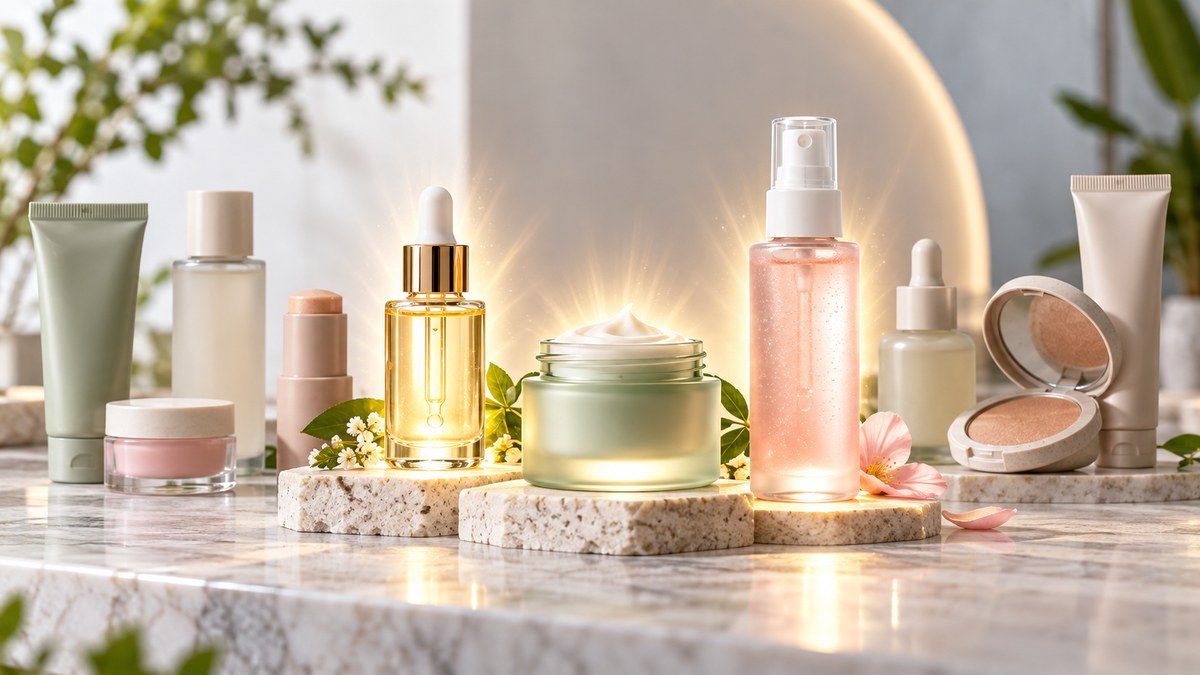
Our team spent a month testing 10 of the biggest clean beauty products that blew up on TikTok in 2026. We tried the serums, the moisturizers, the lip oils, and the face masks that everyone is talking about. We wanted to know which ones actually deliver results and which ones are just pretty packaging and good marketing.
The results were surprising. Only 3 out of 10 made the cut.
Most viral TikTok beauty products rely on clever editing and good lighting, not actual ingredients. Out of 10 clean beauty products tested, only 3 delivered noticeable results after two weeks of use. The rest caused breakouts, did nothing, or felt nice but failed to improve skin texture. Before you buy, check the ingredient list and ignore the hype.
How We Tested These Products
We wanted this review to be useful, not just another list of sponsored favorites. So we set up a real testing process.
- We bought every product ourselves. No PR packages, no brand relationships.
- Each product was used by at least two team members with different skin types (oily, combination, and dry).
- We took before and after photos under the same lighting conditions.
- We tracked results for two weeks, noting any changes in texture, hydration, breakouts, or irritation.
- We checked the ingredient lists against common irritants and verified the “clean” claims.
This wasn’t a one-day test. We gave each product a fair shot.
The Ones That Actually Worked
Here are the three products that earned a permanent spot in our routines.
The Glow Getter Serum
This is the serum that kept showing up on our For You Page. Every influencer seemed to be using it. The claims were big: brighter skin, reduced fine lines, and a glass-like finish.
After two weeks, we saw real results. Our skin looked more even. The texture improved. It didn’t break anyone out, which is rare for a product with active ingredients. The key was that it used a stable form of vitamin C paired with ceramides, so it was effective without being irritating.
It’s not cheap, but it works. If you are going to spend money on one viral product this year, this is the one.
The Cloud Barrier Moisturizer
This one surprised us. It looked like a basic gel moisturizer, but the ingredient list told a different story. It has five types of ceramides plus niacinamide and squalane.
The texture is light but hydrating. It sinks in fast, so you can put makeup on top without pilling. Our team member with dry skin loved it. Our oily skin team member also loved it. That is hard to pull off.
It passed the hype test.
The Lip Savior Balm
Lip products on TikTok are usually a letdown. They look good in videos but feel sticky or dry out your lips after an hour. This one was different.
It uses shea butter, jojoba oil, and a peptide complex. The texture is thick but not greasy. It stays on through coffee and water. One application in the morning lasted until lunch. That is impressive for a lip balm.
The Ones That Failed the Hype
Seven products did not make the cut. Some were fine but overpriced. Others were genuinely bad.
The Overhyped Glow Drops
These drops promised an instant glow. What they delivered was a sticky film that attracted every piece of lint in a five foot radius. The glow was temporary and looked oily, not luminous. By midday, our faces looked like we had run a marathon.
The ingredient list was mostly silicones and fragrance. Not worth $38.
The Pimple Patch That Did Nothing
Pimple patches are everywhere on TikTok. This particular brand had thousands of five star reviews. But when we tried them, they barely stuck to our skin. They fell off within an hour. The active ingredients were minimal. We got better results from a generic drugstore brand.
The Viral Face Mask
This mask looked amazing in the videos. It had a satisfying texture and came in aesthetic packaging. But after using it three times, our skin felt tight and dry. The formula contained clay and charcoal, which are fine for oily skin, but it also had alcohol denat high on the list. That is a red flag for any “clean” beauty product.
How to Spot a Fake Viral Product
Before you buy anything from TikTok, run it through this checklist. It will save you money and disappointment.
| Red Flag | What It Looks Like | What to Do Instead |
|---|---|---|
| Only one skin type in reviews | All comments say “great for dry skin” but nobody with oily skin has tried it | Search for reviews from people with your skin type |
| Overly edited videos | The product looks like liquid glass and the skin looks airbrushed | Look for unedited, real time application videos |
| No ingredient list shown | The influencer never flips the bottle around | Find the full ingredient list on the brand’s website |
| “Clean” with no definition | The brand says clean but doesn’t explain what that means | Check if they list specific standards (no parabens, no sulfates, etc.) |
| Only positive comments | Every single comment is five stars | Sort reviews by “most recent” and look for critical ones |
“If a product seems too good to be true, it probably is. The best TikTok beauty products are the ones that show real skin texture, real application struggles, and honest first impressions, not polished tutorials.” – Our lead tester after finishing the month long experiment
What “Clean Beauty” Actually Means
This is where things get confusing. “Clean” is not a regulated term. Anyone can slap it on a label.
Some brands use it to mean “no parabens.” Others use it to mean “plant based.” Some use it to mean “made in small batches.” None of these are bad things, but they are not the same thing.
When we tested these products, we looked for brands that were transparent about their standards. We wanted to see third party testing, clear ingredient sourcing, and honest marketing. The three products that passed all met these criteria.
The ones that failed often used “clean” as a buzzword while still including ingredients that can be irritating, like essential oils or high concentrations of alcohol.
A Simple Process for Your Next TikTok Purchase
Follow these steps before you click buy.
- Screenshot the product name and brand.
- Search for the ingredient list on a site like INCIDecoder.
- Check for known irritants like alcohol denat, fragrance, or essential oils high on the list.
- Look for reviews from people with your skin type and concerns.
- Wait 24 hours before buying. If you still want it after a day, go ahead.
This process takes five minutes and can save you from buying something that will break you out or do nothing.
Why Most Viral Products Disappoint
TikTok is built for entertainment, not education. A product can go viral because it looks satisfying to apply, not because it actually improves your skin. The algorithm rewards visual appeal and engagement, not results.
Brands know this. They design products that look good on camera. They use thickeners that create a “satisfying squeeze” and pigments that make serums look more concentrated than they are. The packaging is photogenic. The texture is camera ready.
But your skin doesn’t care about any of that. Your skin cares about ingredients, formulation, and consistency.
The Bottom Line on Clean Beauty Hype
You don’t need to buy every viral product. You don’t need a 10 step routine with trendy ingredients. What you need is a few well formulated products that work for your specific skin type.
The three products that passed our test earned their spot because they delivered real results. The other seven taught us that good marketing is not the same as good skincare.
If you want more honest takes on internet trends, check out our piece on 17 viral TikTok products that actually live up to the hype. We also looked at the rise of deinfluencing and what it says about our relationship with consumerism, which explains why more people are pushing back against overconsumption.
Trust Your Skin, Not the Algorithm
The next time a beauty product goes viral, take a breath. Watch the video with a critical eye. Look at the ingredients. Read reviews from people who don’t get paid to promote it. And remember that your skin is not a testing ground for trends.
The three products we recommend are genuinely good. They earned their spot in our routines. But they are not magic. They are just well made products that do what they say they will do.
That is the standard you should hold every viral product to. If it doesn’t work after two weeks, it doesn’t deserve your money.
Your skin deserves better than hype. And now you have the tools to find it.