How the ‘Underconsumption Core’ Trend Is Redefining Cool in 2026
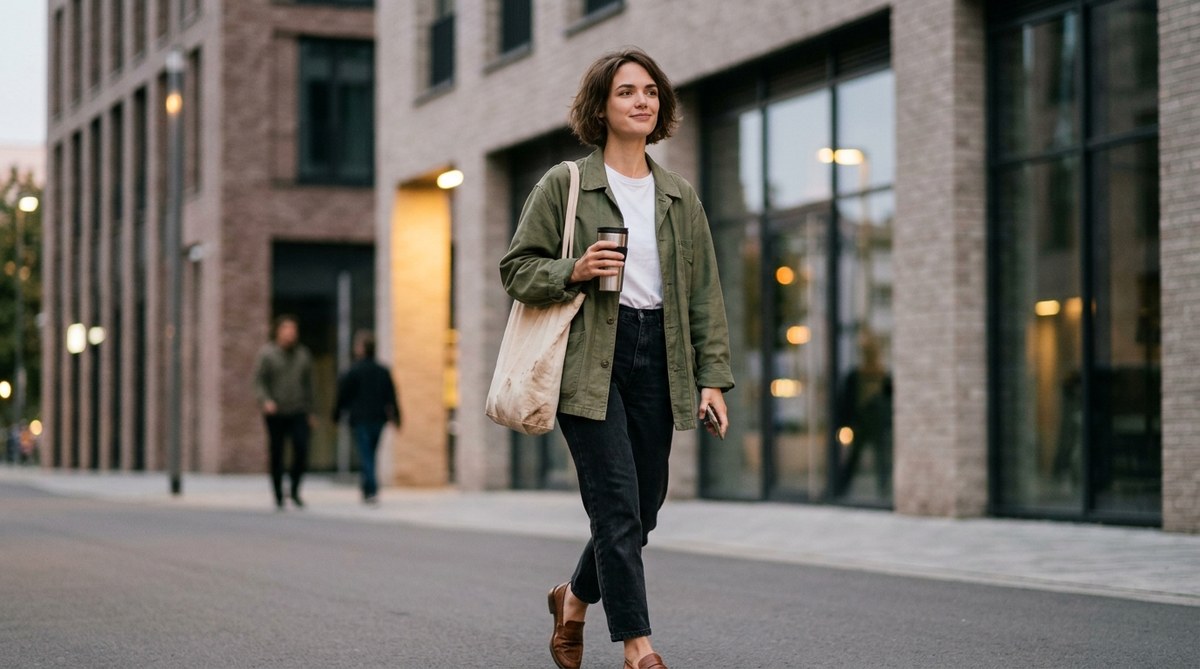
There’s a quiet revolution happening in your FYP. Instead of haul videos overflowing with Sephora bags and Shein packages, you’re seeing something different. Someone darning a sweater. A girl showing off her five year old phone with a shattered case she refuses to replace. A guy proudly wearing the same pair of New Balances his dad handed down. This isn’t a phase. It’s the underconsumption core trend, and it’s redefining what it means to be cool in 2026.
For years, the internet told us that happiness lived inside a shopping cart. The more you bought, the more you belonged. But now, the algorithm has flipped. The most viral posts aren’t about what you just unboxed. They’re about what you didn’t buy. And the look is less “aspirational influencer” and more “your friend who actually reads books.” Let’s pull back the curtain on why underconsumption core became the aesthetic of the year, and how you can effortlessly tap into it without turning into a monk.
The underconsumption core trend is not about deprivation. It’s a conscious shift away from trend cycles and into personal style built on reuse, repair, and restraint. In 2026, looking cool means showing you own your choices — not that you own everything. Whether you’re wearing thrifted denim or sticking with your 2021 laptop, the new status symbol is contentedness with less.
What Exactly Is Underconsumption Core?
Underconsumption core isn’t a strict rulebook. It’s a vibe. Think of it as the aesthetic of buying things only when something breaks, and even then, trying to fix it first. It’s the rejection of the “haunting” urge to buy a new phone case every three months because TikTok told you a specific color was “the It.”
At its heart, underconsumption core is about slowing down. It’s about realizing that your grandma’s way of wearing the same winter coat for fifteen years wasn’t boring. It was, in fact, legendary. And now, Gen Z and Millennials are making that same energy cool again. You see it in the quiet rise of “deinfluencing” content where creators actually talk you out of buying things. You see it in the way people proudly showcase their repaired jeans on Reddit. The message is clear: your ability to resist a sale is the new flex.
Why the Underconsumption Core Trend Is Taking Over in 2026
A few things had to align for this trend to hit critical mass. Here are the main drivers.
The Economic Reality Check
Let’s be real. The economy in 2026 is not being kind to impulse buys. Rent, groceries, and streaming subscriptions are all stretching budgets thin. Underconsumption core isn’t just a philosophy; it’s a survival strategy. When you can’t afford the new trend every week, you naturally start to romanticize what you already own. That makes the trend feel less like a sacrifice and more like a choice.
The Algorithm Shifted
TikTok’s For You Page in 2025 and 2026 has been heavily rewarding “anti-haul” content. Videos that show you how to make a dress last another year, or how to fix a zipper with a paperclip, get millions of views. The platform realized that audiences were tired of feeling inadequate. Now, the creators who are growing the fastest are the ones who say “you don’t need this.” It’s a refreshing change from the relentless consumerism of the earlier 2020s, and a natural companion to the rise of deinfluencing and what it says about our relationship with consumerism.
Sustainability Became Personal
Yes, climate anxiety is still real. But the underconsumption core trend isn’t about loud activism. It’s about personal habit. People are realizing that the most sustainable item is the one that’s already in your closet. Instead of buying a “green” water bottle made from recycled plastic (which still required energy to produce), you just keep using the one you already have. That personal logic is spreading through peer influence. Your friend can’t shame you for not having the latest Stanley cup dupe if you’re proudly drinking from an old mason jar.
How to Embrace Underconsumption Core (Without Looking Like You’re Struggling)
You might worry that this trend will make your wardrobe look sad. But the opposite is true. Underconsumption core done right looks intentional, curated, and quietly expensive. Here is a practical numbered list to get started.
- Stop buying things you already have a version of. If you own three denim jackets, you do not need a fourth. Wear the one you have until it disintegrates. Then patch it.
- Learn basic repairs. Sewing on a button is a superpower. Darning a sock is a flex. Watch one ten minute YouTube tutorial and you’ll be able to extend the life of your clothes by years.
- Shop your own closet first. Before you buy anything new, do a “closet audit.” Lay out everything you own. You’ll be shocked at what you forgot you had. Put together three new outfits before you even open a shopping app.
- Embrace the “one in, one out” rule. If you buy a new sweater, one sweater must leave the house (donate, sell, or give to a friend). This keeps your collection manageable and forces you to think twice before buying.
- Unfollow the accounts that make you want to buy. This is the hardest step. If a creator makes you feel like your current life isn’t enough, hit that unfollow button. Replace them with people who show how they use things for years.
Common Mistakes People Make with Underconsumption Core
Let’s be honest. Some people try to “buy” their way into this trend, which completely defeats the purpose. Here’s a table that breaks down the difference between genuine underconsumption core and the hollow version.
| Mistake | The Right Approach | Why It Matters |
|---|---|---|
| Buying a “quiet luxury” capsule wardrobe full of new minimalist pieces | Using the clothes you already have, even if they have logos or bright colors | The goal is to stop buying, not to buy a new aesthetic. |
| Throwing away all your fast fashion to start fresh | Wearing that fast fashion until it falls apart, then replacing it with thrifted or repaired items | Discarding usable clothes is still wasteful, even if you replace them with “ethical” brands. |
| Feeling guilty for owning “too much” | Accepting what you already own and committing to not adding more | Guilt leads to purges, which leads to more spending. Self forgiveness is key. |
| Only wearing neutral colors because that’s what “minimalists” wear | Wearing your favorite neon windbreaker from 2018 with pride | Personal style > trend aesthetics. Underconsumption core is about authenticity. |
The Mindset Shift Nobody Talks About
There’s a psychological weight that lifts when you stop chasing new things. You stop measuring your worth against the latest drop. You stop refreshing your email for a sale. Your brain has less clutter.
One creator on TikTok, who goes by @lowbuystreet, summed it up perfectly.
“Underconsumption core is not about being poor or boring. It’s about realizing that the endless consumption cycle was designed to keep you unhappy. When you step off the hamster wheel, you suddenly have time. Time to read, time to cook, time to actually enjoy the things you already own. That’s the real luxury.”
That quote resonates because it’s true. The greatest side effect of this trend is not a fuller wallet (though that’s nice). It’s a quieter mind.
How to Make Underconsumption Core Last (Beyond the Hype)
Every internet trend eventually fades. But underconsumption core has legs because it’s not a gimmick. It’s a correction. The 2010s were about more, more, more. The early 2020s were about dupe culture and “treat yourself” justifications. Now, in 2026, the pendulum is swinging back toward quality over quantity and longevity over novelty.
To make this stick, don’t think of it as a challenge. Think of it as a permanent upgrade to your identity. You are now the person who wears a jacket until the elbows are threadbare, then patches them, then keeps going. You are the person who drives a car with 200,000 miles and treats it like a badge of honor. You are the person who says “no thanks” to the Prime Day sale because you already have everything you need.
That kind of confidence is magnetic. And it’s exactly what the internet’s obsession with cottagecore and other slow living trends finally makes sense. It’s all a reaction against the frantic noise of consumer culture.
Small Swaps That Feel Big
If you need a visual entry point, here’s a bulleted list of everyday underconsumption core moves that will change your relationship with stuff.
- Swap buying a new phone case for cleaning the one you have with a toothbrush and soap.
- Instead of a new book, borrow one from the library or a friend.
- Use a single candle all the way to the bottom before buying another.
- Wear your old concert t shirt to bed instead of buying a new pajama set.
- Fix a loose button instead of tossing the shirt.
- Drink tap water from a reused glass bottle instead of buying sparkling water cans.
These seem tiny. But they build a muscle. The more you practice saying “I already have that,” the easier it becomes to ignore the noise.
Why the Trend Is Actually Cool
Let’s not pretend that aesthetics don’t matter. Underconsumption core is visually appealing because it reads as authentic. A vintage leather bag with patina looks cooler than a brand new one. Faded band tees tell stories. A well worn pair of Converse with a hole in the toe says “I’ve lived.” That is way more interesting than a sterile, hyper curated influencer closet. This is why why Gen Z is bringing back Y2K fashion and everyone else is confused actually connects: both trends value history and originality over factory made perfection.
In a world where AI can generate any image you want, the most radical thing you can do is be real. Underconsumption core is the ultimate real. It says you refuse to be a cog in the consumption machine. And that rebellious spirit is undeniably cool.
The Final Piece: Giving Yourself Permission to Keep Things
We’ve been conditioned to believe that owning something for a long time is stagnation. That you need to constantly upgrade your wardrobe, your phone, your aesthetic. Underconsumption core flips that. It says keeping something for a decade is a win.
So go ahead. Keep that scratchy blanket your aunt gave you. Wear those sneakers until the sole separates. Hold onto that book you read three times. The new cool isn’t what you buy. It’s what you keep.
Now you know exactly what the underconsumption core trend is, why it’s dominating conversations in 2026, and how to slide into the lifestyle without buying a single thing. Start by looking at what’s around you. Pick one item you were about to replace and commit to using it for another month. That small act of defiance against the consumption machine is the exact energy this trend was built on. And honestly? It looks great on you.