The 2026 Pantry Staples That Are Secretly Ruining Your Cooking (And What to Swap Them For)
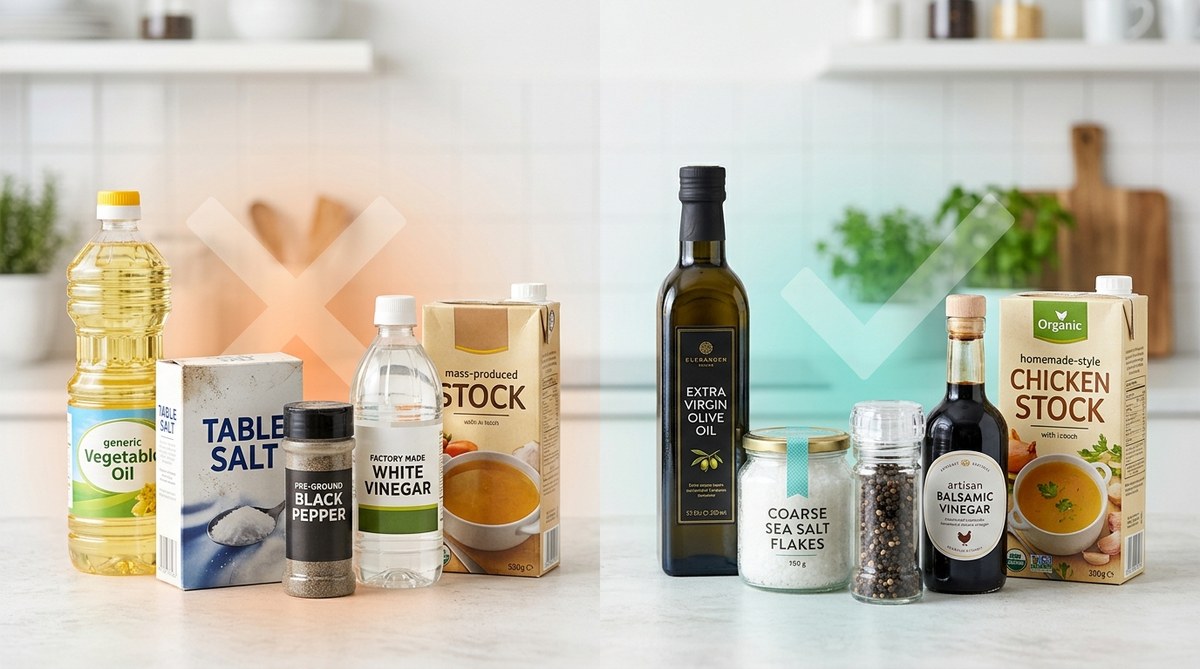
Your go-to olive oil might be making everything taste flat. That “healthy” whole wheat pasta could be turning your weeknight bolognese into a gluey mess. And the salt you’ve been using since 2022? It’s probably robbing your food of the kind of crunch that makes people ask, “Did you go out to eat?” The pantry staples ruining cooking 2026 aren’t exotic ingredients sitting in the back of your cabinet. They are the everyday heroes you trust most, and they are quietly sabotaging your dinners.
Seven common pantry staples are secretly hurting your cooking: old olive oil, pre-ground spices, bleached flour, iodized salt, nonstick spray, jarred garlic, and standard soy sauce. Each has a simple swap that instantly improves flavor, texture, and nutrition without costing more time or money.
The Olive Oil That Has Lost Its Soul
You probably bought a big bottle of extra virgin olive oil from Costco or Trader Joe’s back in January. It’s still sitting near your stove, right? Here is the problem: olive oil degrades with light, heat, and time. After about six months, the polyphenols break down. The oil turns rancid. It doesn’t smell bad enough to throw away, but it leaves a greasy, bitter film on your vegetables and pasta.
The swap: Buy smaller bottles. Look for harvest dates on the label, not “best by” dates. If you see a 2025 harvest date in 2026, it is already past its prime. Store it in a dark, cool cabinet away from the oven. For high-heat cooking, use avocado oil instead. It has a smoke point over 500 degrees and a neutral flavor that lets your ingredients shine. For finishing, splurge on a small bottle of fresh, single-estate olive oil. You will taste the difference immediately.
The Spice Rack That Lies to You
That jar of ground cumin you bought for a single recipe in 2023? It has no business being in your kitchen. Ground spices lose volatile oils within six months. After a year, they are basically colored dust. You are adding bitterness and nothing else. This is one of the biggest pantry staples ruining cooking 2026 because people blame the recipe when the spice is the culprit.
The swap: Buy whole spices and grind them yourself. A cheap coffee grinder dedicated to spices costs less than a dinner out. Toast whole cumin seeds, coriander, or fennel in a dry pan for two minutes, then grind. The aroma will fill your kitchen like a restaurant kitchen. You also get more antioxidants from fresh spices. Do this once a month and throw out everything older than one year.
The Flour That Makes Everything Taste Like Cardboard
All-purpose bleached flour is the standard for American baking, but it is terrible for flavor and nutrition. Bleaching agents strip away the wheat’s natural character and add chemical aftertastes. If your cookies taste flat and your pancakes taste like nothing, your flour is the reason.
The swap: Use unbleached all-purpose flour for everyday baking. For bread and pizza, try bread flour with higher protein content. For pancakes and biscuits, use white whole wheat flour. It has a milder taste than regular whole wheat but delivers fiber and nutrients. The texture stays light. If you are feeling adventurous, try einkorn flour. It is an ancient grain with a nutty, buttery flavor that makes toast taste like a bakery item.
The Salt That Kills Your Food
Iodized table salt is cheap. It flows freely. It is also terrible for cooking. The iodine and anti-caking agents add a metallic, chemical twang to your food. You cannot taste it directly, but it dulls every other flavor. This is a classic case of pantry staples ruining cooking 2026 because people think “salt is salt.”
The swap: Use kosher salt for cooking and flaky sea salt for finishing. Diamond Crystal kosher salt is the gold standard for American home cooks. It dissolves evenly, has no additives, and you can pinch it easily. For finishing, use Maldon sea salt flakes. They add a delicate crunch that pops on roasted vegetables, steaks, and even chocolate chip cookies. You will taste the difference in scrambled eggs alone.
The Cooking Spray That Ruins Your Pans
Nonstick cooking spray seems harmless. It is convenient. It also contains lecithin and propellants that build up a sticky residue on your pans over time. That residue burns and creates off-flavors in your food. It also ruins the nonstick coating on your pans, forcing you to replace them every year.
The swap: Use a high-smoke-point oil in a spray bottle. Fill a small glass spray bottle with avocado oil or grapeseed oil. You control the amount, there are no chemicals, and it costs pennies per use. For baking, use parchment paper or a silicone mat. For eggs, use a pat of butter. Your pans will last longer and your food will taste cleaner.
The Garlic That Is a Lie
Jarred minced garlic is a betrayal. It is often preserved in acid and salt. It tastes sour, metallic, and nothing like fresh garlic. Using it in a recipe is like using a photograph of a person instead of the actual person. You get the shape but none of the soul.
The swap: Buy whole garlic heads and prep them yourself. A head of garlic costs about a dollar. Peel a whole head at once, toss the cloves in a jar with olive oil, and keep it in the fridge for up to two weeks. You get real garlic flavor without the metallic aftertaste. For even faster prep, use a garlic press or a microplane. The extra thirty seconds of effort transforms your marinara, stir-fries, and salad dressings.
The Soy Sauce That Has No Umami
Standard grocery store soy sauce is often made with hydrolyzed soy protein, corn syrup, and caramel color. It is sweet, thin, and lacks the deep, savory punch that makes soy sauce great. Your stir-fry tastes one-dimensional because the soy sauce is not doing its job.
The swap: Look for traditionally brewed soy sauce. Brands like Kikkoman and San-J offer brewed versions with real wheat and soybeans. The label should say “brewed” not “made from hydrolyzed soy protein.” For a richer flavor, try tamari. It is thicker, darker, and has no wheat. It works beautifully in marinades and dipping sauces. Your fried rice will finally taste like the takeout version.
How to Cleanse Your Pantry in Three Steps
Here is a simple process to reset your pantry and stop the pantry staples ruining cooking 2026.
- Check dates. Go through every jar, bottle, and bag. If you bought it before 2025, it goes in the trash. Spices, oils, and flours lose potency fast. Do not trust your nose. Old spices smell like nothing.
- Taste everything. Taste your olive oil. Taste your salt. Taste your soy sauce. If they taste flat, metallic, or just “off,” replace them. Your taste buds are the best test.
- Buy smaller. Stop buying the biggest bottle to “save money.” You waste more money throwing away rancid oil and stale spices than you save buying bulk. Buy what you will use in one month.
The Pantry Staples Ruining Cooking 2026 Cheat Sheet
| Old Staple | Why It Fails | Better Swap |
|---|---|---|
| Large bottle of olive oil | Goes rancid after 6 months | Small bottles with harvest dates |
| Pre-ground spices | Lose flavor after 6 months | Whole spices, grind fresh |
| Bleached all-purpose flour | Chemical aftertaste, low nutrition | Unbleached or white whole wheat |
| Iodized table salt | Metallic flavor, dulls food | Kosher salt for cooking, flaky salt for finishing |
| Nonstick cooking spray | Builds residue, ruins pans | Spray bottle with avocado oil |
| Jarred minced garlic | Sour, metallic taste | Fresh garlic, prepped and stored in oil |
| Standard soy sauce | Thin, sweet, artificial flavor | Traditionally brewed soy sauce or tamari |
What Professional Chefs Actually Keep in Their Pantries
“I don’t keep a single spice older than three months. I don’t keep any oil that isn’t in a dark bottle. And I never, ever use iodized salt. If you want to cook like a professional, start by throwing away everything in your pantry that came from a factory instead of a farm.” — Chef David Chang, in a 2025 interview with Bon Appétit.
This advice cuts to the heart of the problem. The pantry staples ruining cooking 2026 are not fancy ingredients you can live without. They are the basic building blocks of every meal. If your foundation is weak, your house collapses. If your olive oil is rancid, your salad dressing will never taste good.
The Extra Step That Changes Everything
If you want to go further, add these three items to your new pantry:
- Fish sauce. A few drops add instant depth to stir-fries, soups, and marinades. It sounds weird. It works.
- Nutritional yeast. This is the secret weapon for umami without meat. Add a teaspoon to pasta sauces, roasted vegetables, and popcorn.
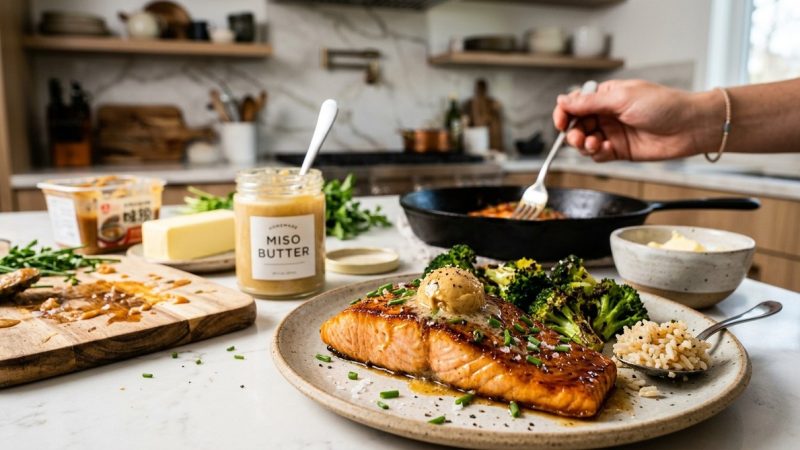
- Miso paste. White miso is sweet and mild. It makes salad dressings, marinades, and even butter taste like a five-star dish. Mix it with softened butter for a spread that ruins regular butter forever.
These three items are the opposite of the stale, processed staples you are throwing away. They are alive with flavor.
What Your Pantry Says About Your Cooking
Your pantry is not a storage unit. It is a tool kit. Every item in it should earn its place by making your food taste better, faster. If an ingredient sits for months without being used, it is not a staple. It is clutter. The pantry staples ruining cooking 2026 are the ones you stopped thinking about years ago. They became background noise. Your taste buds adapted to mediocrity.
The good news is that fixing your pantry takes one afternoon. You do not need to spend a lot of money. You just need to be honest about what is in there. Throw away the old oil. Grind your own cumin. Buy salt that tastes like salt. Your dinners will thank you.
Your Pantry Reset Starts Tonight
You do not need to overhaul your entire kitchen at once. Pick one swap from this list and make it tonight. Replace your cooking spray with a spray bottle of avocado oil. Or buy a small bottle of fresh olive oil tomorrow. That single change will improve your next meal. Then do another swap next week. Within a month, your pantry will be full of ingredients that actually work for you. No more pantry staples ruining cooking 2026. Just food that tastes the way it should.