Why Miso Butter Is Taking Over Your Kitchen in 2026
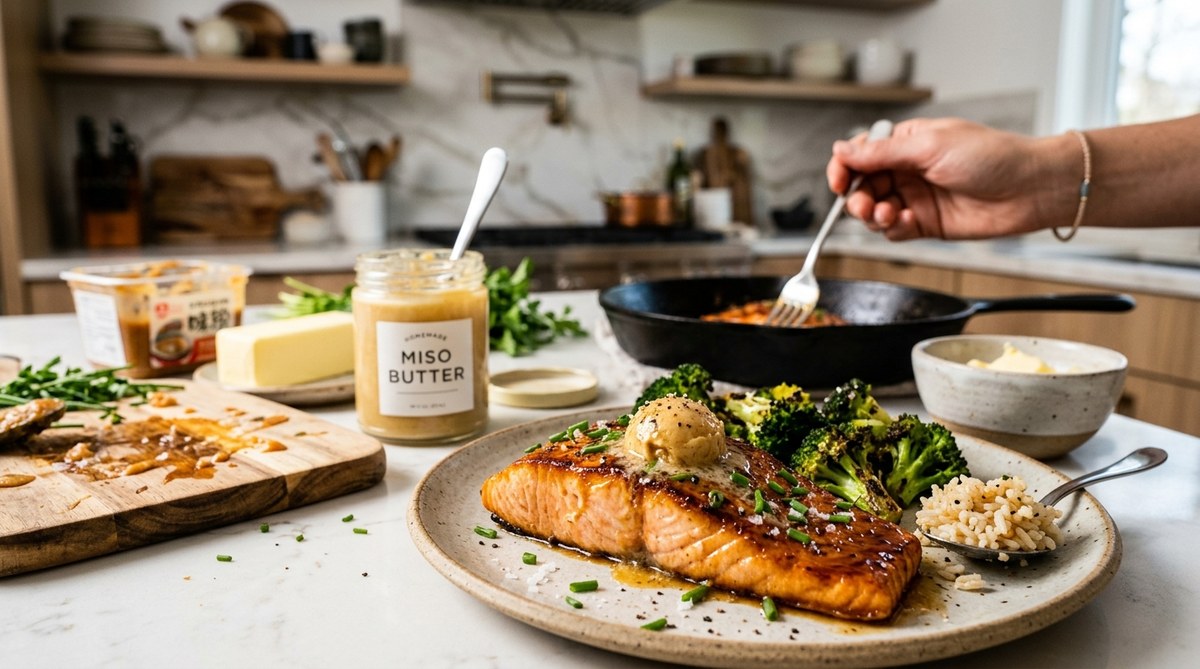
Miso butter is having a moment. If you’ve scrolled through TikTok, opened Instagram, or walked into a trendy brunch spot in 2026, you’ve seen it. That perfect, glossy, golden pat of butter resting on a steak, melting into a pile of roasted vegetables, or slicking a bowl of noodles. It looks fancy, tastes impossibly rich, and somehow makes everything feel like a five star meal.
But here’s the thing: miso butter isn’t some complicated chef secret. It’s two ingredients. Three, if you count patience. And it’s about to become the most used condiment in your fridge.
Miso butter combines two pantry staples into a powerhouse of umami that upgrades any dish in minutes. In 2026, home cooks are turning to this simple blend because it delivers restaurant depth without extra time or money. Whether you slather it on bread, toss it with pasta, or finish a steak, miso butter makes everything taste better. Learn how to make it, how to use it, and why this trend is here to stay.
Why Miso Butter Blew Up in 2026
Every year a new food trend takes over. In 2024 it was cottage cheese. In 2025 it was tinned fish. Now, in 2026, it’s miso butter. But this isn’t just another viral moment that will disappear by next season. Miso butter sticks because it solves a real problem: how to make weeknight dinners feel special without cooking like a pro.
The trend started on TikTok and Instagram Reels, where creators showed spoonfuls of white miso paste being folded into softened butter. The video would cut to the butter melting over a seared steak or tossed with hot pasta, and viewers went wild. Comments filled up with “recipe?” and “I need this in my life.” Soon, food blogs, cooking channels, and even some big name chefs jumped on board.
But why 2026 specifically? A few reasons came together at once. People are cooking at home more than they did a few years ago, but they also want meals that feel exciting. They’re tired of the same old butter and salt. At the same time, pantry cooking has become a default skill. Miso paste is shelf stable and cheap. Butter is cheap. Combine them and you get a condiment that costs pennies but tastes like you spent an hour in the kitchen.
What Exactly Is Miso Butter?
Miso butter is exactly what it sounds like: butter mixed with miso paste. Miso is a fermented soybean paste from Japan. It’s salty, funky, and deeply savory thanks to the fermentation process. When you blend it with butter, the fat carries the miso’s flavor across your tongue in a way that plain miso alone doesn’t. The result is creamy, salty, rich, and borderline addictive.
You can use any type of miso, but white miso (shiro miso) is the most common for beginners. It’s milder and sweeter than red or brown miso. That makes it a safer choice for spreading on toast or mixing into pasta. Red miso has a stronger, punchier flavor that works well with grilled meat or roasted root vegetables. A lot of home cooks keep both in the fridge.
How to Make Miso Butter in Three Steps
This is the simplest recipe you’ll learn all year. No cooking required. No special tools. Just a bowl, a spoon, and two ingredients.
-
Soften your butter. Take a stick of unsalted butter (room temperature works best) and leave it out for 30 minutes. You want it soft enough to squish with a fork. Don’t microwave it unless you’re in a hurry and don’t mind melting it slightly. Soft butter blends more evenly.
-
Mix in miso paste. Add two tablespoons of white miso paste to the soft butter. Use a fork or a spatula to stir until the paste is fully incorporated and the butter turns a pale tan color. Taste it. If you want more salt or funk, add another half tablespoon. The ratio is flexible.
-
Store or use immediately. Roll the miso butter into a log using parchment paper, then refrigerate. It will last for a couple of weeks in the fridge or a few months in the freezer. You can also keep it in a small container and scoop out what you need.
That’s it. You now have a flavor bomb that will transform almost everything you cook.
Best Ways to Use Miso Butter
Miso butter isn’t a one trick pony. It works in savory and even a few sweet applications. Here are the most popular ways home cooks are using it in 2026.
- On steak. Slice a pat of miso butter over a hot steak right after it comes off the grill. The butter melts into the meat and creates a crust that tastes like a fancy steakhouse.
- Tossed with pasta. Cook any pasta, reserve a cup of pasta water, then stir in a tablespoon or two of miso butter. Add a splash of water to loosen it. You get a creamy, salty sauce without cream.
- Spread on toast. Toast sourdough, spread miso butter, and top with a soft boiled egg or sliced avocado. This is the 2026 version of avocado toast.
- Roasted vegetables. Toss carrots, broccoli, or sweet potatoes with melted miso butter before roasting. The caramelization gets a huge upgrade.
- Corn on the cob. Slather boiled or grilled corn with miso butter and sprinkle with furikake. It’s a summer side dish that disappears instantly.
- Baking. A few people have started adding miso butter to chocolate chip cookies. The saltiness balances the sugar and makes the cookies taste more complex. It’s not weird. It’s genius.
Common Miso Butter Mistakes (And How to Fix Them)
Even a two ingredient recipe can go wrong. Here’s a table of the most frequent mistakes and what to do instead.
| Mistake | Why It Happens | Fix |
|---|---|---|
| Butter is too hard | Cold butter won’t mix with miso | Leave butter at room temp for 30 minutes, or microwave for 5 seconds |
| Miso butter tastes too salty | Too much red miso or salted butter | Use unsalted butter and white miso; start with less miso and adjust |
| Grainy texture | Miso paste didn’t fully blend | Mix thoroughly; use a food processor for super smooth consistency |
| Separates when heated | Overheating or too much water | Add a tiny splash of pasta water or stock; whisk constantly |
| Bitter flavor | Burnt miso (brown miso cooked too long) | Add miso butter at the end of cooking, not during high heat |
What Chefs Are Saying About Miso Butter
The trend hasn’t just lived on social media. Professional chefs have been using miso butter for years in fine dining. Now they’re sharing their tips with home cooks.
“Miso butter is the secret to making vegetables taste like dessert. The umami trick your brain into thinking you’re eating something rich, but it’s actually just butter and fermented soy. I put it on everything. Even popcorn.”
— Chef Maria Torres, pop up chef in Los Angeles, as told to our team in early 2026.
Chef Torres also recommends mixing miso butter with honey and brushing it on chicken wings before grilling. The honey caramelizes, the miso adds depth, and the butter keeps the meat moist. You can use that trick for salmon too.
Why Miso Butter Fits the 2026 Food Mood
Let’s step back for a second. The biggest food trends of 2026 all share a few traits: they’re easy, low cost, and high reward. Look at the other trends taking over right now. Tinned fish is still huge because it’s shelf stable and zero effort. Cottage cheese became popular because it’s cheap and high protein. Miso butter fits the same mold.
You probably already have butter in your fridge. Miso paste costs a few dollars and lasts for months. You don’t need a blender, a stove, or any special skills. And the payoff is enormous. A single pat can turn a bowl of plain rice into a side dish you’d order at a restaurant.
Plus, it fits the cultural moment. In 2026, people are craving comfort but also excitement. They want food that feels nostalgic but also a little adventurous. Miso butter bridges that gap. It’s familiar (butter) with an unexpected twist (fermented soy). It’s a small risk that almost always pays off.
How to Level Up Your Miso Butter Game
Once you’ve mastered the basic recipe, you can start experimenting. Here are a few ways to customize your miso butter.
- Add garlic. Mash one garlic clove into a paste and mix it in. Garlic miso butter is incredible on bread.
- Add herbs. Chopped chives, parsley, or thyme give the butter a fresh note. Works great on steak or fish.
- Add spice. A pinch of chili flakes or a dab of sriracha turns up the heat. Try it on roasted potatoes.
- Add citrus. A squeeze of lemon or lime brightens the miso. Perfect for vegetables or seafood.
If you’re feeling really ambitious, you can use miso butter in place of regular butter in your baking. Test it on a small batch of cookies first. The saltiness will change the flavor profile, but usually in a good way.
The Big Picture: Why This Trend Will Last
Some food trends peak and vanish. Remember the cronut craze? Or the rainbow bagel phase? Those were fun, but they didn’t stick around because they required effort and special ingredients. Miso butter is different. It’s not a novelty. It’s a technique.
Once you learn how to combine miso and butter, you’ll find yourself reaching for it over and over. It becomes a default. You’ll use it on eggs, on rice, on chicken, on noodles. You’ll gift it to friends in little jars for the holidays. You’ll wonder how you ever cooked without it.
That’s the sign of a lasting food trend. It doesn’t rely on hype. It relies on usefulness. And in 2026, miso butter is one of the most useful things in your kitchen.
If you’re still on the fence, try it tonight. Pick up a tub of white miso (most grocery stores carry it now), grab your unsalted butter, and mix a small batch. Spread it on a piece of toast. Then another piece. Then see how fast you go through the whole log.
Welcome to the miso butter era.
Hungry for more food trends? Check out our list of 15 Viral Food Hacks That Actually Work or see how The Ultimate Comfort Food Recipes That Actually Take Under 30 Minutes stack up against the competition.